












Should you apply sunblock before or after primer? Getting the order wrong can leave your makeup patchy, greasy, or prone to pilling.
Apply sunscreen first, let it set, then use primer before foundation. This helps maintain even sun protection while creating a smoother base for makeup.
At TY Cosmetic, we develop sunscreen and makeup formulas with a focus on skin comfort, texture, and product compatibility. I’ve often seen how choosing the right formulas can make makeup layering easier without adding extra steps.
Below, I’ll show you the correct order, the best product combinations for different skin types, and simple ways to keep your makeup looking fresh.
1. Should You Apply Sunscreen Before or After Primer?
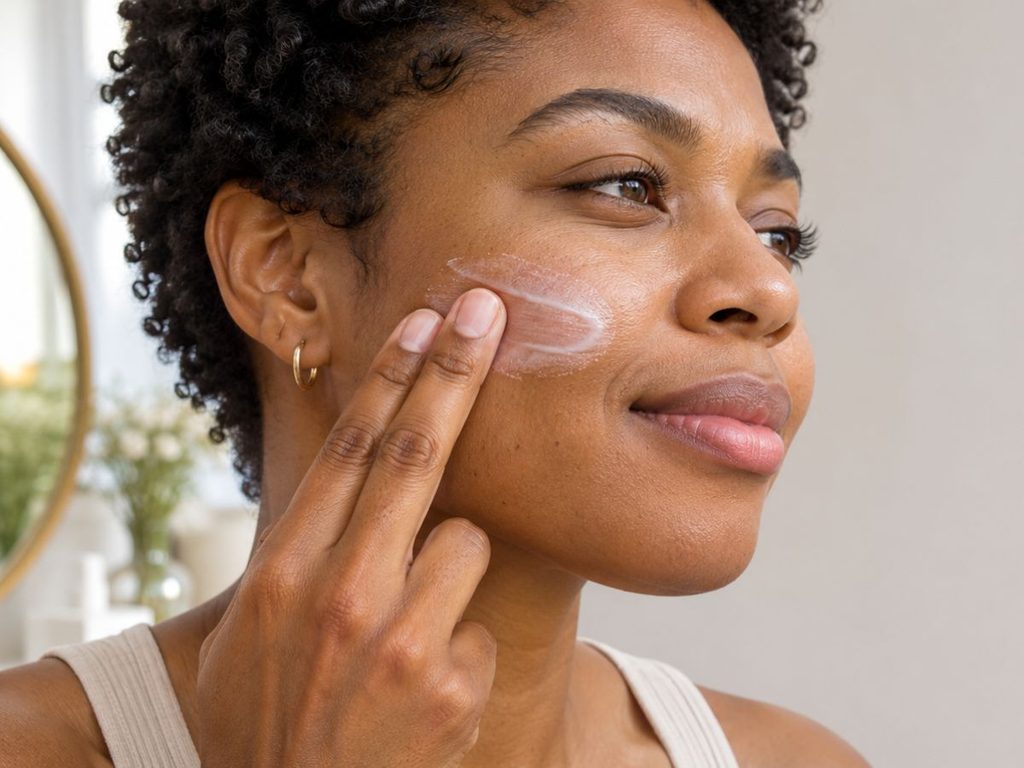
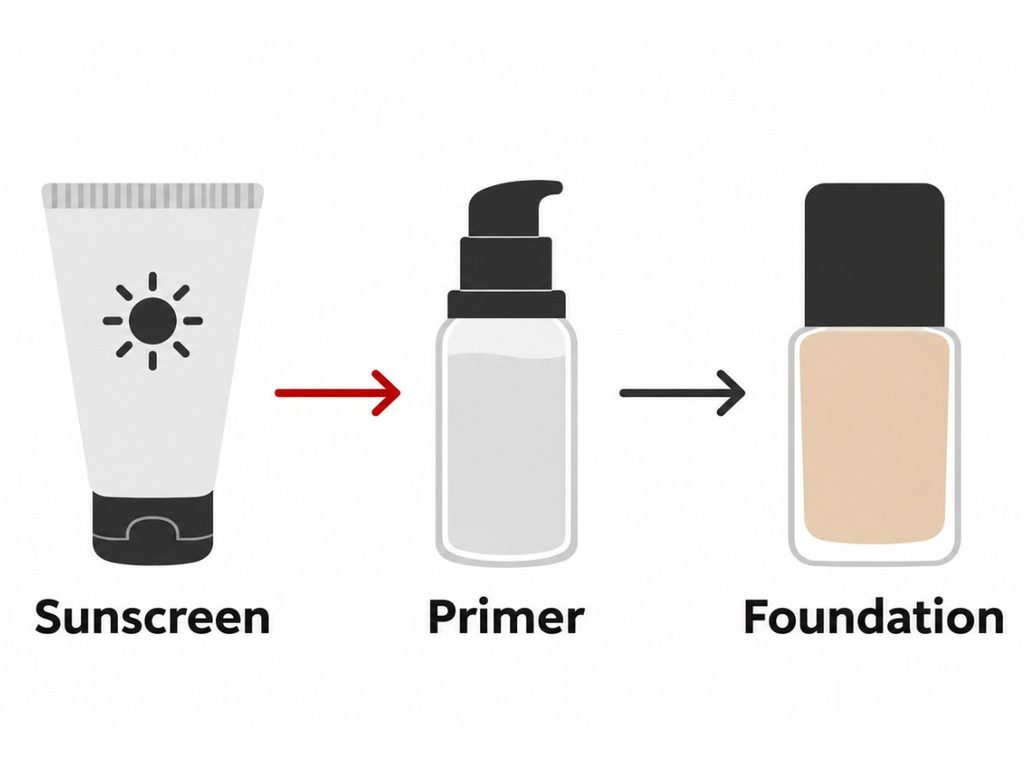
Sunscreen should go before primer. Apply it after your skincare products but before foundation or other makeup.
Here’s the recommended order:
Cleanser → Moisturizer → Sunscreen → Primer → Foundation
Each product has a different job:
- Sunscreen: Protects your skin from harmful UVA and UVB rays.
- Primer: Smooths skin texture, controls shine, or adds moisture.
- Foundation: Evens out your complexion and provides coverage.
Why does this order matter?
Sunscreen needs to spread evenly across your skin to provide its intended protection. Primer then helps prepare the surface for foundation.
The American Academy of Dermatology’s skincare application guide also recommends applying moisturizer and sunscreen before makeup.
Quick tip: If your sunscreen already has primer functions, you may not need a separate primer.
2. Why Sunscreen Should Go Before Primer
Sunscreen protects your skin, while primer prepares it for makeup. Using them in the right order helps both products do their jobs.
Sunscreen Creates Your Protective Layer
Sunscreen helps protect your skin against ultraviolet radiation.
There are two main types:
- Mineral Sunscreen: Uses zinc oxide or titanium dioxide to protect against UV radiation.
- Chemical Sunscreen: Uses organic UV filters that absorb UV radiation.
Hybrid sunscreens combine both types.
Our sunscreen product range includes mineral, chemical, and hybrid formulations for different skin types and application needs.
Whichever type you choose, applying enough sunscreen evenly matters more than choosing a particular texture.
Primer Helps Your Makeup Sit Smoothly
Primer creates a smoother surface for foundation.
Depending on its formula, it can:
- Blur the appearance of pores and fine lines.
- Control excess oil and shine.
- Add moisture to dry skin.
- Help foundations apply more evenly.
- Improve makeup wear.
Some primers contain silicone ingredients, such as dimethicone, to smooth uneven skin texture.
However, primer does not replace sunscreen unless it has properly tested and labeled sun protection.
What Happens If You Apply Primer First?
A thick primer layer can make sunscreen harder to spread evenly. Some product combinations may also cause pilling or makeup separation.
The better approach is simple: apply sunscreen first, allow it to settle, then gently apply primer.
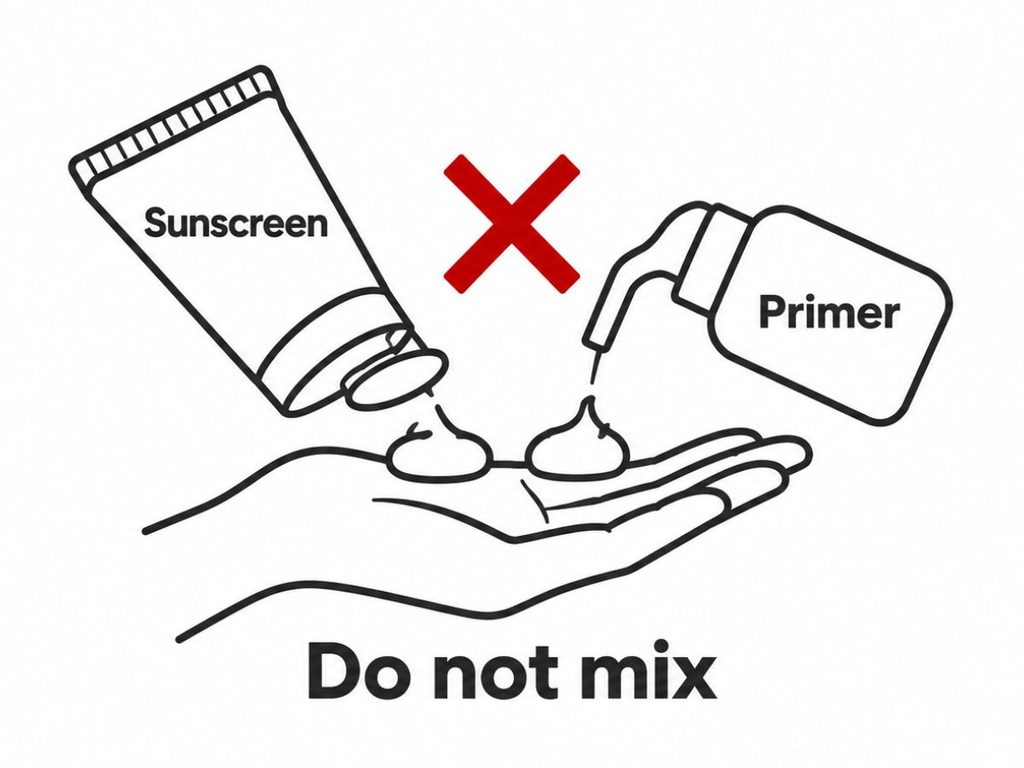
Avoid mixing separate sunscreen and primer products in your hand. Mixing may change the sunscreen’s consistency and make its tested SPF performance uncertain.
3. How to Apply Sunscreen and Primer Correctly
Want smoother makeup without using too many products? Follow these five steps.
Step 1: Cleanse and Moisturize
Start with clean skin.
Use a gentle cleanser to remove dirt, sweat, and excess oil. If your skin needs extra hydration, apply a lightweight moisturizer and let it settle.
Step 2: Apply Enough Sunscreen
Choose a broad-spectrum sunscreen with SPF 30 or higher.
Spread it evenly across your face, ears, neck, and other exposed areas. Follow the amount recommended on the label.
Do not use less sunscreen just to make your makeup feel lighter. Too little product can reduce the protection you receive.
Step 3: Let Your Sunscreen Set
Give your sunscreen time to form an even layer.
Some of our lightweight formulas are designed to form a film in approximately 30 seconds. Others may take longer to settle comfortably.
My tip: If your sunscreen still feels wet or slippery, give it more time before applying primer.
Remember that film-forming time is not necessarily the same as the recommended waiting time before sun exposure. Always follow the product instructions.
Step 4: Apply a Thin Layer of Primer
Use a small amount of primer where you need it most.
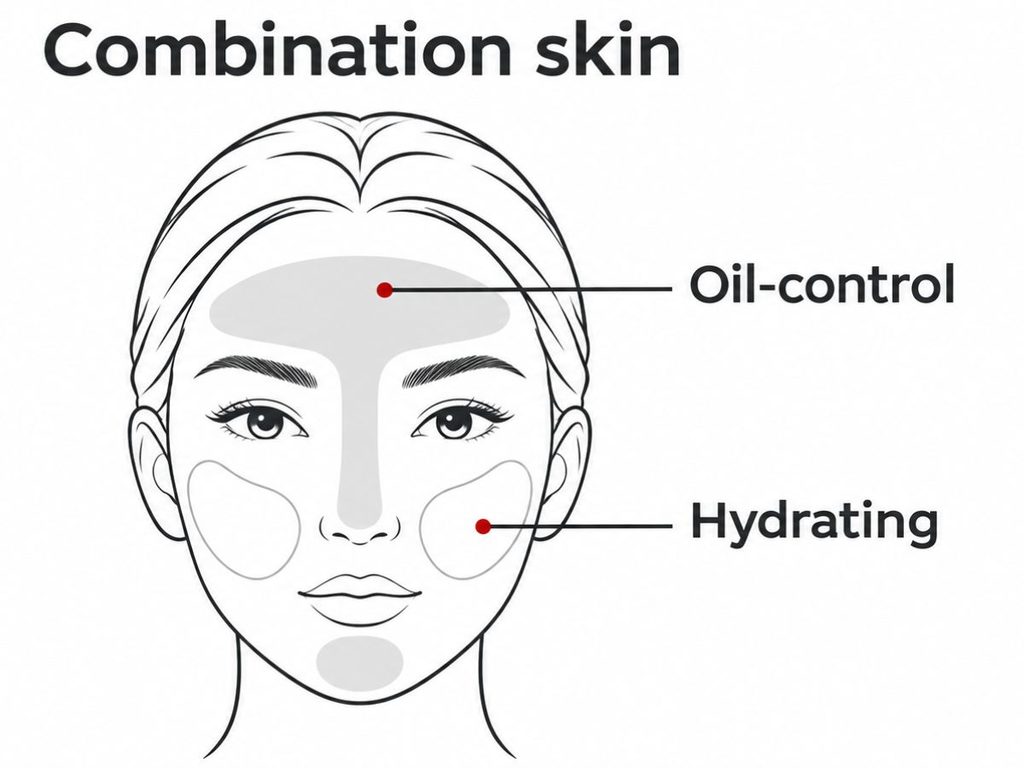
- Forehead and Nose: Oil-control primer.
- Dry Cheeks: Hydrating primer.
- Visible Pores: Pore-blurring primer.
- Uneven Skin Tone: Color-correcting primer.
Gently pat or spread the primer instead of rubbing repeatedly.
Step 5: Apply Your Foundation
Finish with foundation or a cushion compact.
A damp makeup sponge or soft brush can help you apply foundation without disturbing the sunscreen underneath.
If the products start to pill, avoid rubbing harder. Check whether you’ve used too much primer or combined formulas that don’t layer well.
4. Best TY Cosmetic Sunscreens to Wear Under Primer
Not every sunscreen feels comfortable beneath makeup.
Some leave excess shine, while others take too long to settle. That’s why texture and formulation matter alongside SPF.
Our sunscreens are developed in different textures, including lightweight lotions, mineral formulas, and multifunctional sunscreen primers.
Here are the 5 useful options.
| Sunscreen Product | SPF / PA | Main Advantage | Best For |
| Yaobai Anti-Wrinkle Essence Sunscreen Lotion | SPF50 PA++++ | Four-in-one formula with primer functions | Simple daily makeup |
| Brightening Firming Sunscreen Primer | SPF50 PA++++ | Sun protection, primer, and color correction | Uneven skin tone |
| Water-Based High-Refreshing Sunscreen Lotion | SPF50+ PA++++ | Lightweight, low-oil texture | Oily and combination skin |
| Foreign Trade Version Sunscreen Lotion | SPF50 PA+++ | Quick film formation | Daily foundation application |
| Aqua-Shake Physical Sunscreen Lotion | SPF50 PA+++ | Lightweight mineral formulation | Sensitive skin |
Product specifications and availability may vary by market.
Yaobai Anti-Wrinkle Essence Sunscreen Lotion
This SPF50 PA++++ sunscreen combines four functions:
- Sun protection.
- Brightening essence.
- Anti-wrinkle essence.
- Makeup primer.
Its oil-in-water formula is designed to spread easily and feel lightweight.
According to our product information, it forms a smooth film without excessive greasiness, pilling, or unnatural whitening.
Recommended routine: Yaobai Sunscreen → Foundation or Cushion Compact.
This is a practical choice if you want fewer steps in your morning routine.
Brightening Firming Sunscreen Primer
This SPF50 PA++++ formula combines sun protection, priming, and color correction.
It comes in three shades:
- Peach Pink: Brightens pale or tired-looking skin.
- Taro Purple: Helps correct yellowish or dull complexions.
- Mint Green: Visually reduces redness and post-acne discoloration.
Fine color-adjusting pigments help the formula blend into the skin without creating a heavy, mask-like appearance.
Recommended routine: Brightening Firming Sunscreen Primer → Foundation.
You can skip a separate primer if this formula already gives you the finish you want.
Water-Based High-Refreshing Sunscreen Lotion
Does sunscreen make your forehead shiny before you even apply foundation?
This SPF50+ PA++++ formula is developed for oily and acne-prone skin.
Its low-oil formulation delivers a refreshing, water-like texture and is designed to reduce the heavy feeling of richer sunscreens.
It is also developed for compatibility with silicone-based makeup primers.
Recommended routine: Water-Based Sunscreen → Oil-Control Primer → Matte Foundation.
This pairing can work well for oily skin, particularly in hot or humid weather.
Foreign Trade Version Sunscreen Lotion
This SPF50 PA+++ sunscreen has a lightweight lotion texture and is designed to form a film in approximately 30 seconds.
Its moisturizing ingredients include hyaluronic acid and squalane.
Our product information describes a breathable finish that supports foundation application without excessive caking.
Recommended routine: Foreign Trade Sunscreen → Hydrating Primer → Dewy Foundation.
Want to understand why sunscreen texture matters? Our sunscreen lotion manufacturing guide explains how lotion formulations differ in texture, hydration, and application.
Aqua-Shake Physical Sunscreen Lotion
This SPF50 PA+++ sunscreen uses mineral UV filters and has a lightweight, water-like texture.
It is developed with sensitive skin in mind and does not rely on organic chemical UV filters.
Recommended routine: Aqua-Shake Sunscreen → Gentle Primer → Lightweight Foundation.
If your skin reacts easily, test new products on a small area first. Mineral sunscreens can be suitable for sensitive skin, but no formula is guaranteed to be irritation-free.
5. Best Sunscreen and Primer Combinations for Different Skin Types
Your skin type matters just as much as the application order.
I’ve often noticed that people blame their primer when their makeup looks greasy. Sometimes, the real issue is that they’re combining two formulas that are too rich for their skin.
Here’s a quick guide.
| Skin Type | Recommended Sunscreen | Primer Type | Desired Result |
| Oily | Water-Based High-Refreshing Sunscreen SPF50+ | Oil-control primer | Reduced shine |
| Dry | Foreign Trade Version Sunscreen SPF50 | Hydrating primer | Comfortable, dewy finish |
| Sensitive | Aqua-Shake Physical Sunscreen SPF50 | Gentle primer | Lightweight coverage |
| Combination | Water-Based High-Refreshing Sunscreen SPF50+ | Matte primer on T-zone, hydrating primer on cheeks | Balanced finish |
| Acne-Prone | Lightweight, non-comedogenic sunscreen | Non-comedogenic primer | Less heavy layering |
| Uneven Skin Tone | Brightening Firming Sunscreen Primer SPF50 | Separate primer optional | More even-looking complexion |
Oily Skin
Choose lightweight sunscreen with a low-oil formula.
Apply a thin layer of oil-control primer to areas where you develop shine, especially your forehead, nose, and chin.
You don’t need a thick layer across your entire face.
Dry Skin
Dry skin often needs extra moisture before makeup.
Look for sunscreen ingredients such as hyaluronic acid and squalane, then follow with a hydrating primer.
Allow each layer to settle before applying foundation.
Sensitive Skin
Choose products your skin tolerates well.
Mineral sunscreen can be a useful option, especially if you react to certain organic UV filters.
Avoid unnecessary fragrance or other ingredients that have irritated your skin before.
Combination Skin
Use sunscreen across your whole face, then adjust your primer by area.
Apply an oil-control primer on your T-zone and a hydrating primer on your cheeks.
This gives you more control without adding too many layers.
6. How to Choose a Primer for Your Makeup Look
Do you always need primer? No.
But if you want a specific makeup finish, the right primer can help.
Our primer development includes formulas for oil control, hydration, smoothing, and color correction.
| Makeup Style | Recommended Primer | Main Benefit |
| Matte and long-lasting | Pore Blur Matte Primer | Controls shine and blurs visible pores |
| Dewy and hydrated | Plump & Smooth Pre-Makeup Primer | Softens the appearance of dry lines |
| Natural or no-makeup | Colorless Transparent Primer | Smooths texture without changing skin tone |
| Flawless makeup | Gold Diamond Radiance Makeup Primer | Smoothing and color correction |
| Cold-weather makeup | Nourishing Primer Serum Oil | Helps reduce a dry, flaky appearance |
| Uneven complexion | Brightening Firming Sunscreen Primer | Combines sun protection and tone correction |
Matte Makeup
Best choice: Pore-blurring matte primer.
This primer helps absorb excess surface oil and create a smooth, soft-focus finish.
Our Pore Blur Matte Primer uses fine, porous powders that help reduce visible shine without leaving the skin feeling overly dry.
Pair it with lightweight sunscreen rather than a rich, oily formula.
Dewy Makeup
Best choice: Moisturizing or plumping primer.
A hydrating primer can help foundation sit more smoothly on dry areas and fine lines.
Our Plump & Smooth Pre-Makeup Primer contains tremella polysaccharides and ceramides to support moisture retention.
Pair it with a hydrating sunscreen and lightweight dewy foundation.
Natural No-Makeup Look
Best choice: Colorless transparent primer.
A transparent primer smooths your skin without noticeably changing its natural color.
For an even simpler routine, choose a sunscreen with built-in primer functions.
Flawless Makeup for Special Occasions
Best choice: Smoothing and color-correcting primer.
Our Gold Diamond Radiance Makeup Primer uses a three-chamber design:
- Essence Chamber: Provides skincare-focused ingredients.
- Primer Chamber: Smooths the appearance of pores and uneven texture.
- Color-Correcting Chamber: Helps balance dull or uneven skin tone.
This can be useful when you want a polished finish for an important occasion.
For more information on primer formulations and development, see our primer manufacturing guide.
Makeup for Cold or Dry Weather
Best choice: Nourishing primer or primer serum.
A moisturizing primer can help prevent foundation from emphasizing flaky skin.
Our Golden Diamond Radiance primer serum oil contains blackcurrant seed oil, coffee seed oil, and bisabolol.
Use a small amount. Too much oil beneath makeup can cause foundation to slip or separate.
7. Common Mistakes When Layering Sunscreen and Primer
Even if you apply sunscreen first, a few mistakes can still affect your makeup.
Here are five worth avoiding.
Mistake 1: Mixing Sunscreen and Primer Together
Mixing separate products before applying them can change how the sunscreen spreads.
It also makes its tested SPF performance uncertain.
What to do: Apply both products separately, or use a finished sunscreen-primer combination that has been properly tested.
Mistake 2: Applying Primer Before Sunscreen
A thick primer layer can make sunscreen harder to spread evenly.
What to do: Apply sunscreen after skincare, then use primer.
Mistake 3: Not Allowing Sunscreen to Set
Applying primer while sunscreen is still wet may cause uneven texture or pilling.
What to do: Give the sunscreen enough time to settle according to its instructions.
Mistake 4: Using Too Much Primer
More primer doesn’t always mean smoother makeup.
Excess product may gather around pores and fine lines.
What to do: Start with a thin layer. Add more only where needed.
Mistake 5: Choosing Incompatible Formulas
Some sunscreen, primer, and foundation combinations simply don’t layer well.
That doesn’t mean silicone-based and water-based products can never work together. Compatibility depends on the complete formulations.
What to do: Test your products together and avoid unnecessary layers.
8. How TY Cosmetic Tests Sunscreen and Makeup Compatibility
A good sunscreen should do more than offer a high SPF value.
It should also feel comfortable, spread evenly, and work with the products people use every day.
Our formulation work focuses on texture, stability, film formation, and skin comfort.
Lightweight Oil-in-Water Formulations
Selected sunscreens use an oil-in-water system.
This helps create lightweight, spreadable textures that can feel comfortable beneath makeup.
Depending on the ingredients, these formulas may also reduce the heavy or greasy feeling associated with richer sunscreens.
TENGYU-AGEL Sunscreen Technology
Our proprietary TENGYU-AGEL technology uses a biomimetic structural approach intended to improve sunscreen film formation and stability.
According to our technical materials, its design focuses on:
- Fast, even film formation.
- Improved water resistance.
- Better adherence to skin.
- Lightweight, comfortable application.
- Reduced pilling during makeup layering.
Why is this useful?
A sunscreen that spreads evenly and forms a stable film can be easier to layer with primer and foundation.
Specific protection and safety claims still depend on finished-product testing.
Product and Makeup Performance Testing
Our technical materials describe several evaluations involving sunscreen stability, skin tolerance, and makeup wear.
| Test | Reported Result | What It Evaluates | Desired Result |
| Sunscreen patch test, 30 subjects | No adverse skin reactions observed | Tolerance of the tested sunscreen | Reduced shine |
| UVLOOK water-flow observation | Sunscreen coating remained visible after water exposure | Film integrity under test conditions | Comfortable, dewy finish |
| Eight-hour foundation wear test | No obvious overall makeup change | Wear performance of the tested foundation | Lightweight coverage |
| Eight-person blush balm evaluation | 87.5% rated adhesion excellent; 100% rated longevity excellent | User assessment of the tested makeup product | Balanced finish |
| Cold-weather makeup | Nourishing Primer Serum Oil | Helps reduce a dry, flaky appearance | Less heavy layering |
| Uneven complexion | Brightening Firming Sunscreen Primer | Combines sun protection and tone correction | More even-looking complexion |
These results help us assess different aspects of formulation performance.
However, foundation and blush balm tests do not automatically prove that every sunscreen and primer combination will perform the same way.
Quality and Manufacturing Standards
Our source materials identify quality credentials and practices including:
- ISO 9001 quality management.
- ISO 22716 cosmetics GMP.
- SGS-related testing and inspection.
- Halal certification.
- Market-specific sunscreen formulation development.
These support production quality and product development.
For a closer look at sunscreen formats, formulation options, and manufacturing considerations, see our sunscreen manufacturer guide.
9. How to Reapply Sunscreen Without Ruining Your Makeup
Your makeup is finished, but your sunscreen still needs attention throughout the day.
So, how do you reapply it without starting over?
The American Academy of Dermatology’s sunscreen application guidance recommends reapplying sunscreen every two hours when outdoors and after swimming or sweating.
Choose a Suitable Reapplication Method
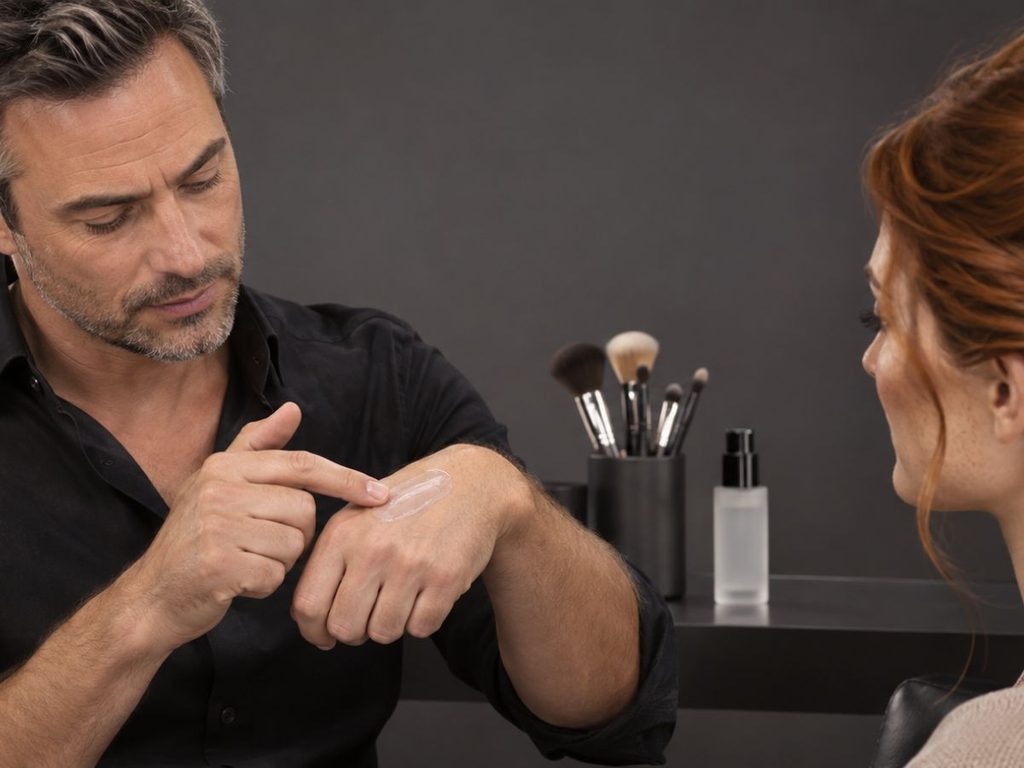
You can gently apply sunscreen over your makeup, provided you use enough for proper coverage.
Patting may work better than rubbing, especially when you’re wearing foundation.
Our Light-Protecting Brightening Sunscreen Spray SPF50 PA++++ is designed for makeup touch-ups.
Its product information highlights:
- Lightweight micro-emulsion texture.
- Fine mist application.
- Fast film formation.
- Reduced visible white streaking.
- A formula intended to minimize makeup disturbance.
Sprays can be convenient, but a light mist doesn’t automatically provide enough protection.
Follow the product’s application instructions, use enough to achieve even coverage, and avoid inhaling the spray.
If you’re interested in how sunscreen gels differ from lotions and sprays, our sunscreen gel formulation guide explains the texture and application benefits of gel-based products.
Should You Reapply Primer Too?
No.
Primer is mainly used before foundation to prepare your makeup base.
When touching up during the day, focus on restoring sunscreen coverage rather than adding more primer.
Conclusion
Sunscreen goes before primer. Apply your skincare first, use enough sunscreen, let it set, and then finish with primer and foundation.
Choose products that suit your skin. Lightweight formulas are often better for oily skin, hydrating options help dry skin, and sunscreen-primer combinations can make your routine simpler.
At TY Cosmetic, we focus on developing sunscreen and makeup formulas that balance protection, comfort, and smooth application.
Dive Deeper Into Our Resources
For some insightful reads, we’ve curated a list of recommended articles just for you:
Still haven’t found what you’re looking for? Don’t hesitate to contact us. We’re available around the clock to assist you.