











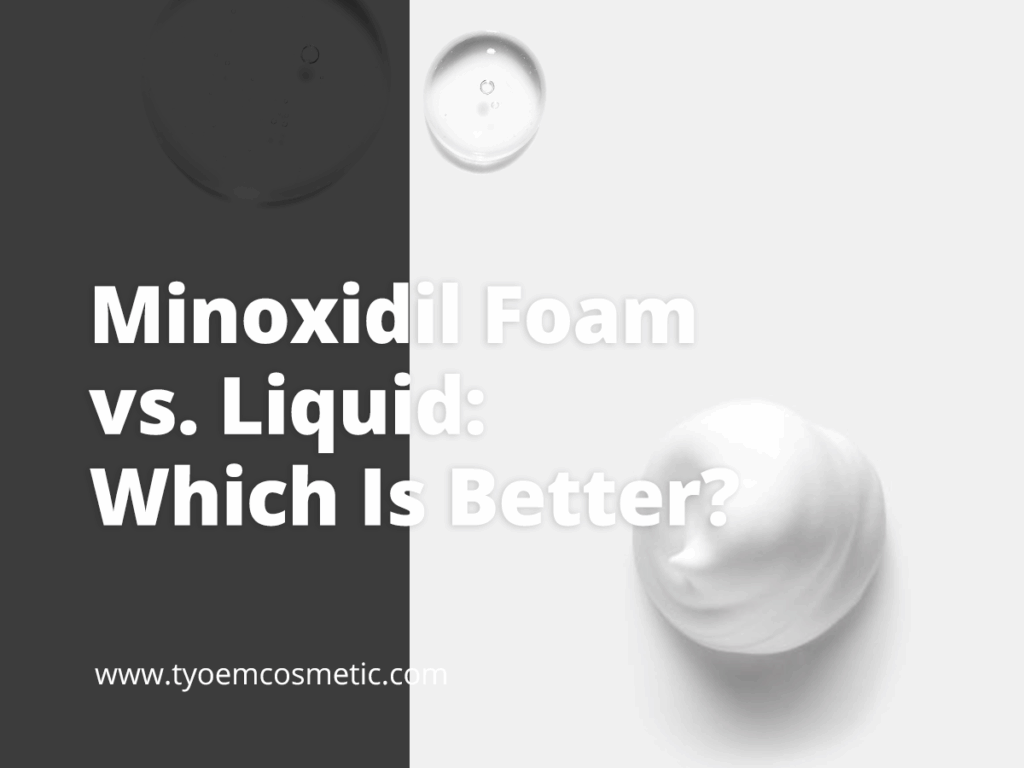
Are you struggling to decide which one to add to your product lineup between Minoxidil foam and liquid? You’re not alone. One of our clients faced the same problem before launching their hair growth line.
They were unsure which version would give better results and be easier to produce. That experience reminded us that many brands face the same confusion.
At TY Cosmetic, we are a professional OEM and ODM cosmetic manufacturer with years of experience in formulation, testing, and large-scale production. Because we handle both foam and liquid types daily, we understand how each performs during manufacturing and in the market.
In this review, you’ll find a clear comparison of both options. We’ll cover formulation, texture, packaging, and real market performance, so you can choose confidently.
If you’ve been debating which version fits your product range better, you’re in the right place.
So, let’s get started!
Quick Summary
Before diving into each section, here’s a quick comparison to give you a clear snapshot of how Minoxidil foam and liquid differ.
| Category | Minoxidil Foam | Minoxidil Liquid |
| Formulation & Composition | Water-based, light texture | Alcohol-based, deeper penetration |
| Absorption & Efficacy | Fast absorption, clean feel | Slower, stronger scalp contact |
| Side Effects & Sensitivity | Gentle, alcohol-free formula | May cause mild irritation |
| Shelf Life | Shorter, needs cool storage | Longer, easy standard storage |
| Cost of Production | Higher, specialized equipment | Lower, faster large-scale runs |
| Storage & Transportation | Temperature-sensitive, regulated shipping | Simple storage, easy transport |
| Target Market Fit | Comfort and premium appeal | Proven results, cost-efficient users |
| Brand Positioning | Modern, high-end branding | Traditional, reliable branding |
You’ve seen the overview; now let’s take a closer look at how each performs in real production and market use.
1. What is Minoxidil Foam?
Minoxidil foam is a topical formula you can add to your product line to help promote consistent hair growth. It has a light, airy texture that absorbs quickly and leaves no greasy residue after use. Because it’s alcohol-free, it’s gentler on the scalp and suitable for customers with sensitive skin. If your customers value a clean, easy-to-use product that feels comfortable, foam is a strong option to consider.
2. What is Minoxidil Liquid?
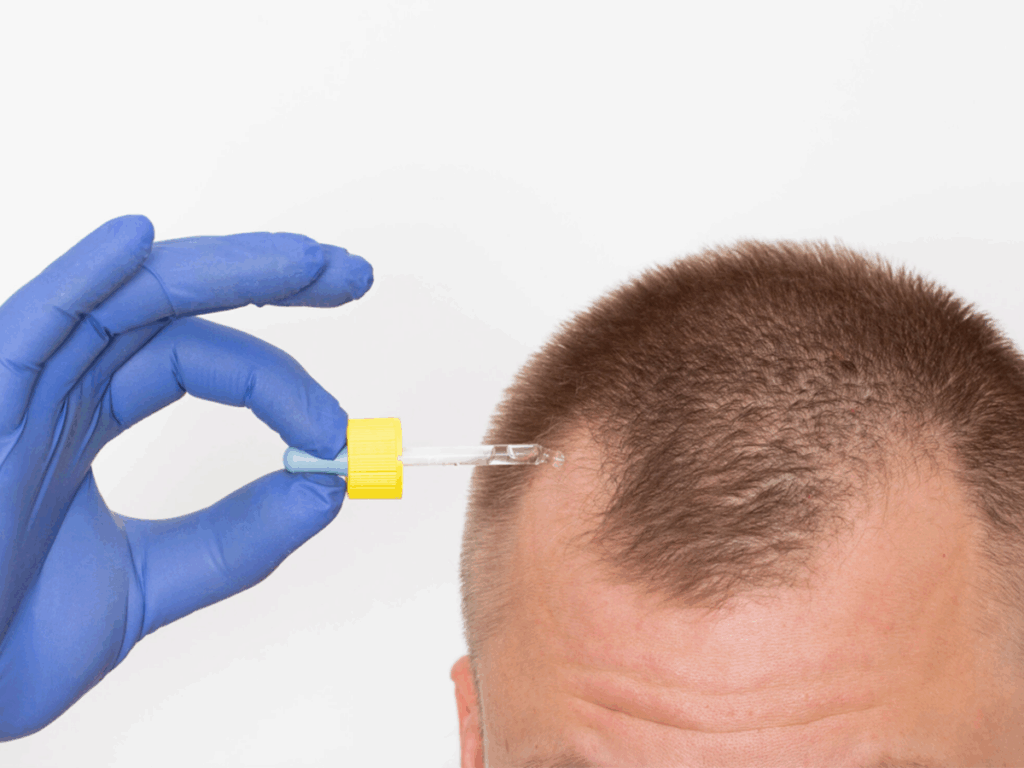
Minoxidil has a water-based formula that spreads easily across the scalp and allows precise dosing with a dropper. This version usually contains alcohol and propylene glycol, which help dissolve Minoxidil but can sometimes cause mild irritation. If your customers focus on cost efficiency and proven results, liquid is a practical choice that’s easy to produce and widely recognized in the market.
3. Formulation and Composition
When you start developing your Minoxidil line, it’s important to understand how the foam and liquid forms are built. Both use the same active ingredient, but the supporting ingredients make them behave differently during production and application. The structure of each version affects everything from absorption to shelf life, so knowing what’s inside helps you plan your formula better.
Base Ingredients
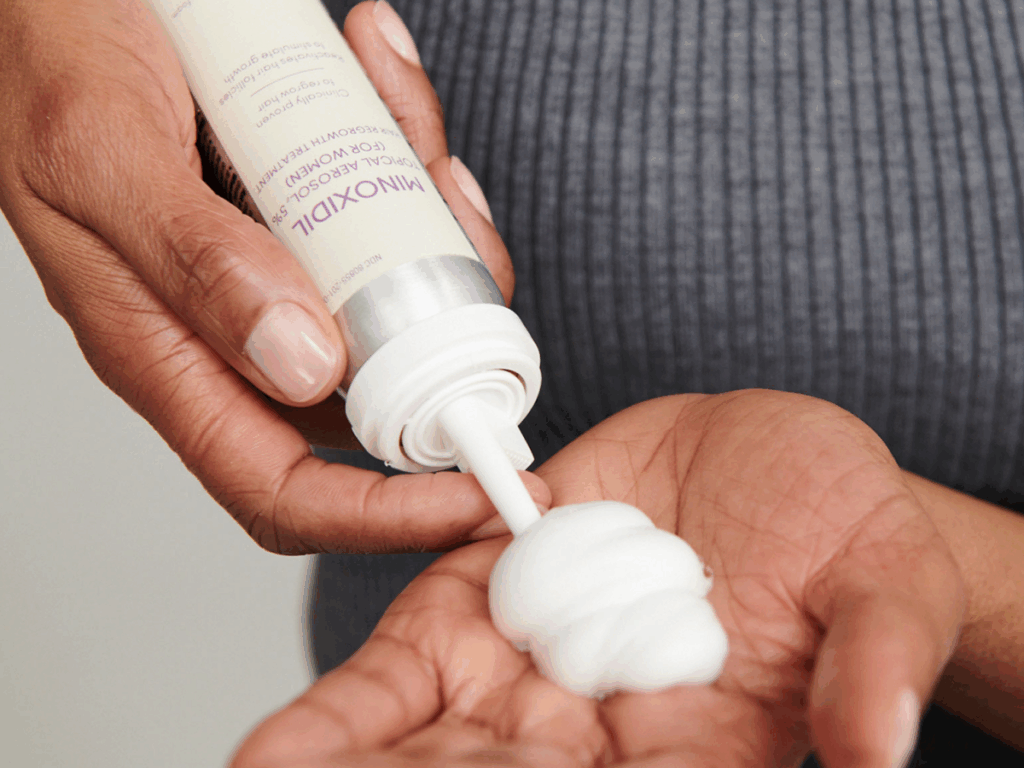
- Minoxidil Foam: The foam version uses a water-based formula combined with a propellant that creates a smooth, airy texture. You’ll find it easy to apply and quick to absorb, which makes it attractive for customers who prefer a cleaner feel without residue.
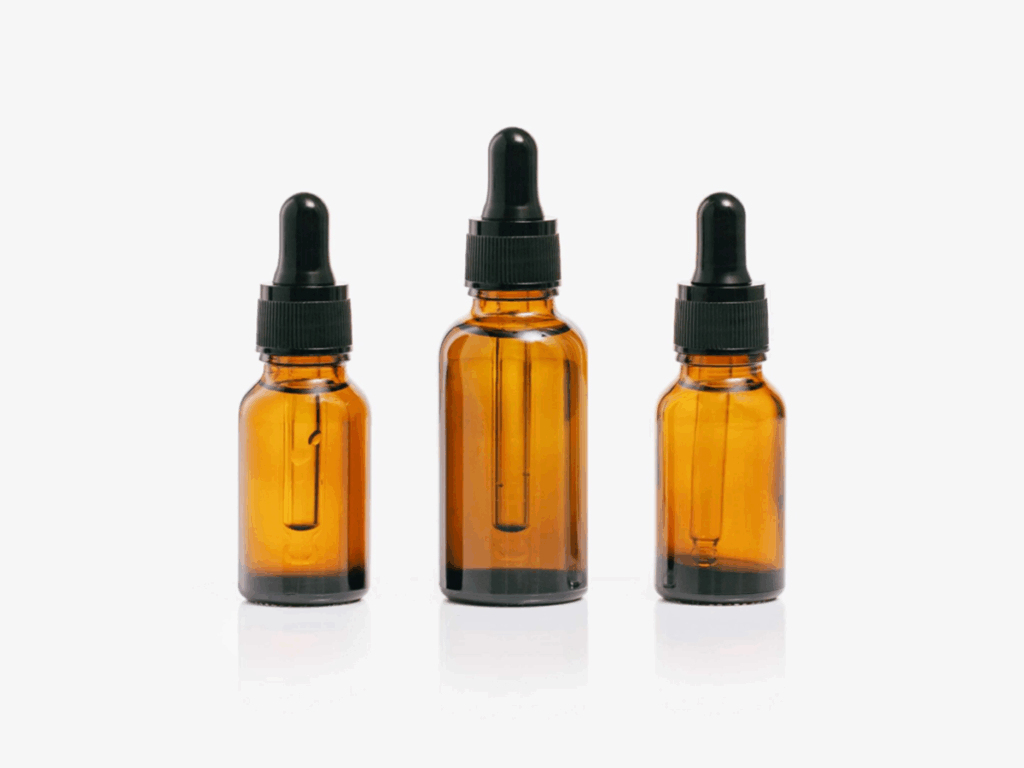
- Minoxidil Liquid: The liquid formula depends on alcohol and propylene glycol to dissolve Minoxidil effectively and boost penetration into the scalp. You should note, though, that it may cause slight dryness or irritation for users with more sensitive skin.
Stability and Texture
- Minoxidil Foam: Foam needs careful balancing of stabilizers and propellant to keep its form consistent throughout production and storage. You’ll need to maintain controlled temperatures to prevent it from collapsing or losing texture over time.
- Minoxidil Liquid: Liquid generally stays stable under standard storage conditions, making it easier to handle during large-scale production. However, if exposed to heat or humidity for long periods, you might see minor separation or changes in clarity.
Takeaway
Minoxidil foam offers a lightweight, modern feel that your customers will appreciate for its clean and comfortable application. Minoxidil liquid, on the other hand, provides a more traditional formula that’s simpler to produce, making it a practical choice if your brand values efficiency and reliable performance.
At TY Cosmetic, we offer complete manufacturing solutions for both Minoxidil foam and liquid products. Our facility is equipped to handle water-based and alcohol-based formulations, ensuring consistency and quality from mixing to filling. Whether you’re building a premium foam line or a cost-efficient liquid range, we customize each formulation to fit your brand’s goals and target market.
Are you ready to expand your product line? We can help you develop both versions with reliable results.
4. Absorption and Efficacy
When you’re developing a Minoxidil product, absorption and performance are two factors that define how users experience results. Both the foam and liquid forms deliver the same active ingredient, but their absorption speed and scalp contact differ. These variations can change how customers perceive effectiveness and how often they use the product.
Absorption Speed
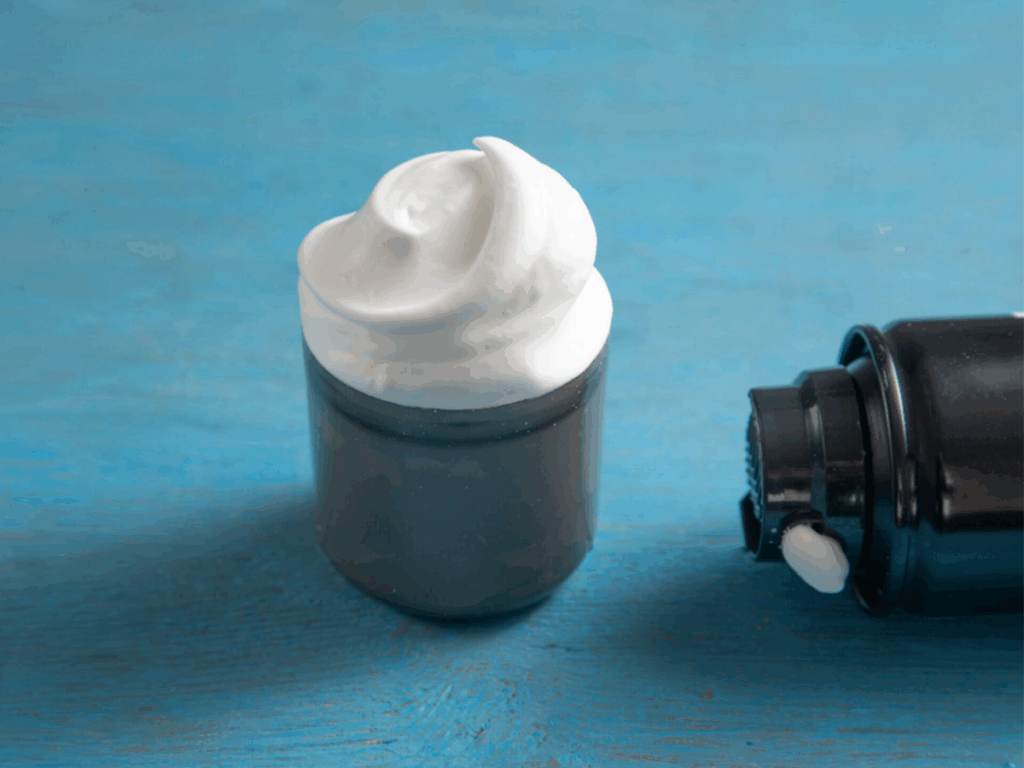
- Minoxidil Foam: The foam absorbs quickly because of its lightweight consistency, allowing customers to apply it without leaving a greasy or sticky feel. You can position it as a product that blends easily into daily routines for users who prefer a clean and fast application.
- Minoxidil Liquid: The liquid form takes a bit longer to dry since it contains alcohol and propylene glycol, which hold moisture for a few minutes. This slightly slower absorption can allow deeper scalp contact, appealing to those who focus on strong penetration and performance.
Efficacy Over Time
- Minoxidil Foam: Foam maintains steady results when applied consistently, offering visible improvement with continued use. You can promote it as a low-mess option that helps your customers balance convenience and consistent performance.
- Minoxidil Liquid: Liquid may show faster visible results during early application due to deeper absorption and stronger scalp interaction. It’s well suited for customers who value proven strength over texture comfort.
Takeaway
Both forms effectively deliver Minoxidil, but the experience they offer differs. Foam gives you an advantage in user satisfaction, especially for customers who want clean and quick application. Liquid, however, offers deeper scalp contact and faster early results, making it a strong choice for performance-driven markets.
5. Side Effects and Sensitivity
When planning your Minoxidil line, it’s important to consider how each form affects different skin types. While both are safe for most users, their ingredients interact differently with sensitive or dry scalps. Foam and liquid vary in alcohol content, which can influence irritation levels or dryness after use. Understanding these factors helps you decide which product version aligns best with your target audience’s comfort level.
Skin Sensitivity
- Minoxidil Foam: The foam form contains no alcohol or propylene glycol, which makes it gentler for users prone to irritation. You can confidently recommend it to customers developing products for sensitive or dry skin markets.
- Minoxidil Liquid: The liquid form includes alcohol and propylene glycol to improve solubility and absorption. While effective, these ingredients can cause dryness or slight redness for users with delicate scalps.
Allergic Reactions
- Minoxidil Foam: Allergic reactions are uncommon, but it’s still wise to remind your customers to include clear patch-test instructions on product labeling. This shows your commitment to quality and end-user safety.
- Minoxidil Liquid: Some users may experience mild itching or irritation due to higher alcohol concentration in the formula. You should consider this when targeting regions or demographics where sensitivity is a common concern.
Takeaway
If your goal is to appeal to customers with sensitive or dry skin, foam is the better option. It minimizes irritation risks and promotes comfort without compromising results. Liquid, on the other hand, offers reliable performance but may not suit every user type, so it fits better for general-use formulations.
6. Shelf Life
Shelf life plays a major role in planning your inventory, distribution, and production schedule. Foam and liquid share the same active ingredient, but their base materials react differently to heat and air. Understanding these reactions helps you manage product rotation and reduce potential waste. By knowing each form’s stability limits, you can better align production capacity with sales and storage needs.
Product Longevity
- Minoxidil Foam: Foam usually has a slightly shorter shelf life because it relies on propellants and stabilizers to maintain texture. You’ll need to maintain temperature control during storage to preserve consistency and prevent breakdown.
- Minoxidil Liquid: Liquid tends to last longer since it doesn’t use propellants and is less affected by small temperature changes. This makes it easier to store in standard warehouse conditions and safer for long-term inventory.
Packaging Requirements
- Minoxidil Foam: Foam requires airtight pressurized containers to maintain structure and prevent leakage. You should plan for a slightly higher packaging cost but gain a product that feels more premium and professional.
- Minoxidil Liquid: Liquid packaging is simpler and often uses glass or plastic bottles with droppers. It’s easier to manage during mass production and can help you save on overall packaging expenses.
Takeaway
Foam gives your line a more premium look but needs tighter control to maintain quality during storage. Liquid offers longer stability and simpler packaging, which helps you manage larger inventories at lower cost. Your decision depends on whether your business values premium branding or long-term storage flexibility.
7. Cost of Production
Cost determines how you plan your production runs and pricing strategy. Foam and liquid differ in their required materials, equipment, and testing stages. Understanding where these costs come from helps you choose the form that fits your budget and target profit margins. By evaluating this early, you can design a manufacturing process that balances quality with efficiency.
Material and Equipment Cost
- Minoxidil Foam: Foam production needs propellants, stabilizers, and specialized filling machines to maintain consistency. You’ll also need to invest in pressurized canisters and stability testing, which increases initial costs.
- Minoxidil Liquid: Liquid production is simpler because it doesn’t require pressurized machinery or propellants. You can use standard filling equipment, which helps you lower setup costs and speed up production cycles.
Production Efficiency
- Minoxidil Foam: Foam production takes longer since it involves more steps like pressure control and foam density testing. However, the premium feel can help you position your brand at a higher price point.
- Minoxidil Liquid: Liquid has a shorter production timeline and faster batch turnover, allowing you to meet large orders quickly. This form suits businesses focused on scaling production with predictable margins.
Takeaway
Foam comes with higher production costs, but it positions your product as premium, attracting markets that value quality and presentation. Liquid supports efficient large-scale production and cost-effective pricing, which makes it ideal for high-volume sales.
At TY Cosmetic, we help our partners analyze these factors before production begins, ensuring they choose a formula that fits both their financial goals and brand identity. Our team provides full OEM and ODM support, from raw material sourcing to packaging selection, so you can focus on market growth while we handle the production complexity.
If you need expert advice on balancing cost and quality for your next product, TY Cosmetic is ready to guide you.
8. Storage and Transportation Requirements
Storage and transportation directly affect your product’s quality and delivery reliability. Foam and liquid react differently to temperature, humidity, and movement during shipping. Planning your logistics around these differences helps you maintain product consistency across all destinations. A clear understanding of each form’s handling needs reduces risks and keeps your supply chain running smoothly.
Storage Conditions
- Minoxidil Foam: Foam requires cool, dry storage away from heat or sunlight to preserve its pressure and consistency. You’ll need to maintain stable room temperatures to prevent expansion or leaks.
- Minoxidil Liquid: Liquid can tolerate wider temperature ranges, making it easier to store in standard warehouse conditions. Still, you should avoid high temperatures that might cause slow evaporation or discoloration over time.
Transportation Handling
- Minoxidil Foam: Foam products are pressurized, which means you’ll need to handle them under specific shipping guidelines. You should work with carriers experienced in transporting aerosols or pressurized goods to avoid delays.
- Minoxidil Liquid: Liquid products are simpler to ship, pack, and distribute across regions. This makes them ideal if your operations focus on bulk exports or frequent deliveries.
Takeaway
Foam requires extra care during storage and transport, but the right handling preserves its clean and modern presentation. Liquid is easier to manage, lowering your logistics costs and reducing handling risks. When planning distribution, consider your storage setup, transport distance, and overall shipping frequency.
9. 3 Factors To Consider When Choosing Between Minoxidil Foam and Liquid
Choosing between Minoxidil foam and liquid isn’t just about formulation, it’s about how your brand wants to be seen in the market. Each form has advantages that can shape your customer’s experience, pricing, and positioning.
Let’s see some factors to consider when choosing between the two:
#1 Target Market and User Preference
The first thing to consider is who you’re creating the product for. If your target market values convenience and comfort, foam is often the better fit. Its quick absorption and clean feel appeal to customers who want a product that blends easily into daily routines. However, if your audience is more results-driven or prefers traditional applications, liquid might be more suitable.
At TY Cosmetic, we’ve helped many brands choose the right Minoxidil type based on customer behavior and regional market data. Our experience in developing both foam and liquid formulas allows us to recommend options that balance performance and budget. We work closely with our partners to match formulation details with their brand identity, ensuring that the final product speaks directly to their target market.
If you need guidance choosing which form suits your product line, TY Cosmetic can help you make that decision confidently.
#2 Production Capacity and Budget
Your available equipment and budget play a big role in which formula makes sense. Foam requires more complex filling systems, pressurized packaging, and higher production oversight. If you’re ready to invest in a premium product that commands higher retail value, foam is worth considering.
Liquid, on the other hand, is simpler and more cost-efficient to produce. It works well if your goal is to scale production quickly or manage large batches with steady margins. The easier setup and faster production cycles make it ideal for starting businesses that prioritize speed and cost control.
#3 Branding and Market Positioning
How you want your brand to be perceived should also guide your choice. Foam has a modern, upscale feel that positions your product as convenient and refined, especially in competitive personal care markets. Liquid represents reliability and tradition, values that still hold strong in the hair care industry. If your business focuses on affordability and effectiveness, liquid helps reinforce that image.
Both forms can succeed, but your formula should match your message and how you want your customers to remember your brand.
Conclusion
Every great product starts with a clear decision. Just like our client who was unsure at first, you now know how Minoxidil foam and liquid differ in performance and production.
Both can bring excellent results when matched with the right audience. At TY Cosmetic, we make this process easy by helping you align your goals with the perfect formulation.
The next step is yours to take. Contact us today and let’s bring your Minoxidil product idea to life!