











One of our clients came to us after their previous supplier’s conditioner spoiled within a month of launch. Customers complained about odor changes, and retailers pulled the product from shelves. We started over reformulating from scratch.
That experience showed how one weak formula can damage a brand’s reputation fast.
At TY Cosmetic, we’ve seen these issues more times than we can count. As a manufacturer with years of experience in cosmetic formulation and stability testing, we help businesses fix failed products and build reliable formulas that last. Every ingredien and batch we handle is backed by testing and production proof.
In this article, we’ll explain how effective hair care formulations are made, what each ingredient does, and how testing ensures long-term performance.
If you’re sourcing or developing products, this will answer what you came here for.
So, let’s get started!
1. What is Hair Care Formulation?
Hair care formulation is the process of creating shampoos, conditioners, and treatments that actually work the way you promise your customers they will. It’s not just mixing ingredients; it’s developing a formula that performs well, stays stable, and feels right to the user. Every formula involves balancing science, safety, and sensory experience to meet your market’s needs.
When you hear “formulation,” think of it as your product’s foundation. Each ingredient, whether it’s a cleansing agent, moisturizer, or preservative plays a specific role. As a business, understanding this helps you communicate better with your manufacturer and make smarter decisions during product development.
2. Scientific Principles Behind Effective Hair Care Products
Every high-performing hair care product is built on science. It’s about more than just choosing good ingredients, it’s about understanding how they work together to clean, protect, and strengthen hair. When you know these principles, you can make better choices for your own brand and avoid costly trial and error.
The Role of Surfactants
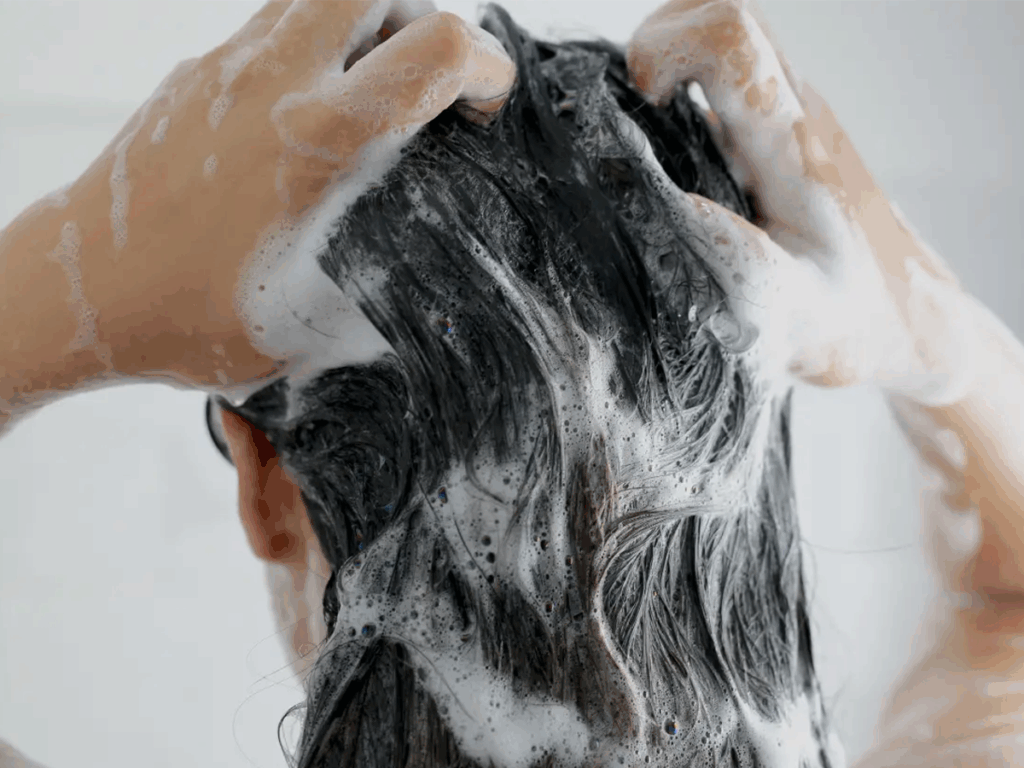
Surfactants are the main cleansing agents that remove oils, dirt, and buildup from the scalp and hair. They work by reducing surface tension so water can mix with oil and rinse it away. The right surfactant blend depends on your target market, some prefer rich foam, others need mild cleansers for sensitive scalps.
If the formula is too harsh, it strips away natural oils and leaves hair feeling dry. A balanced surfactant system cleans effectively while keeping hair soft and manageable.
pH Balance and Scalp Health
The natural pH of the scalp is slightly acidic, usually between 4.5 and 5.5. This acidity keeps the scalp’s barrier healthy and helps the cuticle layer of the hair stay smooth. When a formula’s pH is too high, it can cause irritation or make hair frizzy and rough.
Products that stay within the right pH range feel gentle, help maintain moisture, and improve product compatibility with daily hair routines. Understanding pH helps you avoid returns and complaints related to scalp sensitivity.
Emulsification and Texture Stability
Emulsification is the process of blending oil and water to create a smooth, uniform texture. Without proper emulsifiers, a conditioner or serum can separate during storage or shipping. This not only looks unprofessional but also affects performance when applied. Using the right emulsifiers and stabilizers helps maintain consistency and viscosity over time.
The goal is for your customers to experience the same texture and results from the first use to the last.
Preservation and Microbial Control
Preservatives protect your formulas from bacteria, yeast, and mold growth. This is critical for any water-based product, especially in humid climates or long distribution chains. Without a proper preservation system, contamination can happen fast and cause spoilage before products reach customers.
The right combination of preservatives keeps your product safe, stable, and compliant with regional cosmetic standards. This not only protects your brand’s reputation but also saves you from costly recalls.
3. Active Ingredients in Hair Care Formulation
When you develop a hair care line, your ingredients decide how your products perform and feel. Each one has a purpose, some cleanliness, others protect, strengthen, or hydrate. The table below gives you a quick look at the main actives, what they do, and why they matter for your business.
| Ingredient Type | Common Examples | Main Function | Why It Matters for You |
| Cleansing Agents | Sodium lauryl sulfate, Cocamidopropyl betaine | Remove oil and buildup | Better cleaning balance |
| Conditioning Agents | Cetrimonium chloride, Dimethicone, Behentrimonium methosulfate | Smooth and detangle hair | Softer, manageable texture |
| Moisturizers & Humectants | Glycerin, Panthenol, Hyaluronic acid | Retain and attract moisture | Prevents dryness, breakage |
| Proteins & Strengtheners | Hydrolyzed keratin, Silk protein, Wheat protein | Repair and fortify strands | Stronger, resilient hair |
| Natural Oils & Butters | Argan oil, Coconut oil, Shea butter | Nourish and add shine | Smooth, glossy finish |
| Botanical Extracts | Aloe vera, Green tea, Chamomile | Soothe scalp, add antioxidants | Natural care appeal |
| Preservatives | Phenoxyethanol, Potassium sorbate, Ethylhexylglycerin | Prevent microbial growth | Longer shelf life |
| UV & Heat Protectants | Benzophenone-4, Hydrolyzed rice protein | Protect from damage | Color and shine retention |
At TY Cosmetic, we use only tested, high-performance ingredients sourced from trusted global suppliers. Every material is chosen for stability, safety, and effectiveness, helping your brand deliver products that perform exactly as promised. If you’re building or reformulating your line, we can help you choose the right ingredients that match your target market and product goals.
4. The Formulation and Manufacturing Process
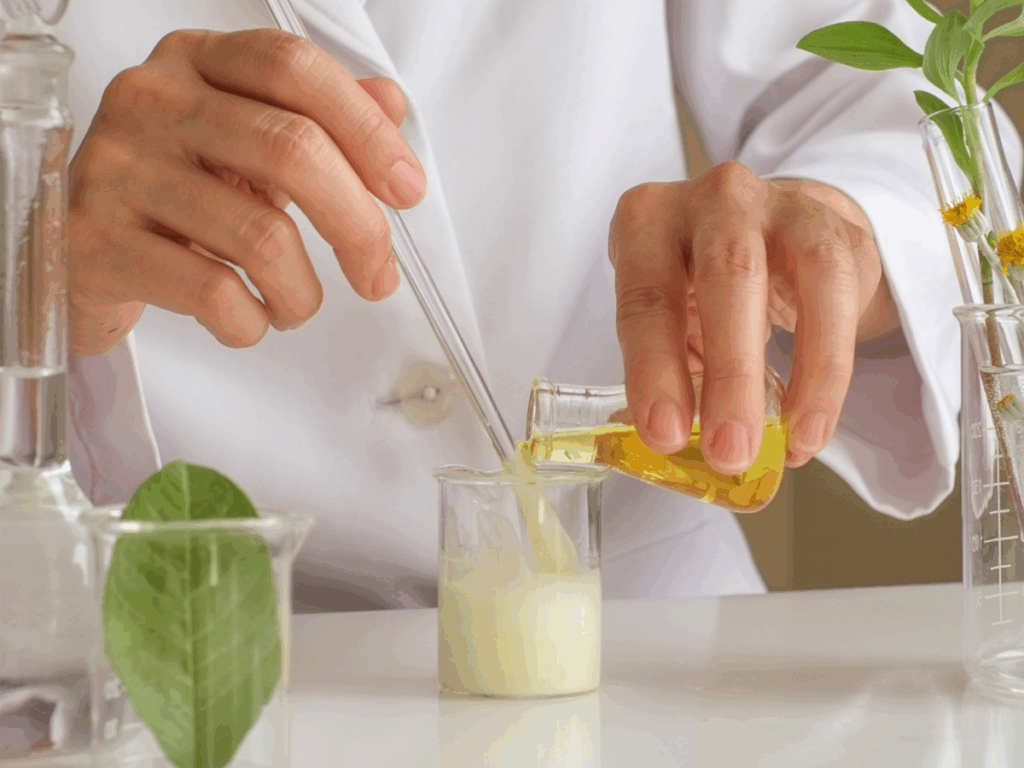
Developing a professional hair care product isn’t about mixing ingredients in a lab, it’s about turning your brand vision into something that works, feels right, and lasts on the shelf. Here are the key stages that turn a concept into a product your customers can rely on.
Concept and Product Planning
Everything begins with a clear idea of what you want to achieve. Whether it’s a sulfate-free shampoo, a nourishing conditioner, or a lightweight hair serum, the process starts by defining your target market and performance goals.
The development team studies your concept, evaluates texture expectations, and matches base ingredients and actives to those needs. A well-planned brief at this stage saves time and cost later during testing and production.
Formula Development and Refinement
Once the concept is approved, the formulation team experiments with ingredient combinations to find the right balance of function, feel, and fragrance. Multiple samples are created and reviewed with you until one meets both technical and market expectations.
This stage blends creativity and chemistry, each trial moves closer to achieving the desired texture, stability, and performance. It’s the moment your product starts becoming real, shaped by data and experience
Testing and Quality Validation
A formula that looks perfect on day one can fail months later without proper testing. Stability and compatibility tests simulate heat, humidity, and time to reveal potential issues like separation, discoloration, or microbial growth. The formula is also tested with its packaging to make sure it stays consistent through shipping and storage. This stage prevents costly product recalls and builds confidence before production begins.
At TY Cosmetic, we treat testing as the foundation of brand reliability. Every batch we develop goes through strict lab evaluations to meet international standards and maintain consistent quality. Our testing process doesn’t just protect your product, it protects your brand’s reputation on the shelf. We help you build trust and recognition through performance that lasts.
If you need a manufacturing partner that safeguards both your product and brand image, TY Cosmetic is ready to support you.
Production and Final Inspection
Once your formula passes all tests, it’s ready for full-scale production. Every ingredient is measured precisely, mixing speeds are controlled, and all conditions are documented for traceability. After filling and labeling, the final inspection checks color, texture, and viscosity one more time before release. These final checks protect your brand’s reputation by ensuring every bottle meets the same high standard your customers expect.
5. Common Formulation Challenges and Solutions
Even the most promising formula can run into problems during development or production. These setbacks can feel discouraging, but they’re also common, and fixable with the right formulation approach. Here are some challenges we often help businesses overcome and how you can prevent them in your next product.
Product Separation and Instability
Separation is one of the most common issues in hair care formulations, especially in conditioners and serums. It happens when oils and water fail to stay blended, leading to uneven texture and poor shelf presentation. The fix usually lies in optimizing emulsifiers and mixing conditions, adjusting temperature, blending time, or adding stabilizers can make a huge difference.
We also recommend running accelerated stability tests early to spot potential problems. With proper formulation control, your product will stay smooth and consistent from production to delivery.
Texture and Feel Problems
Texture plays a major role in how customers judge a product’s quality. Too thick, and it feels heavy; too thin, and it seems diluted or cheap. This issue usually comes from the ratio of thickeners, emulsifiers, and conditioning agents. Fine-tuning those ingredients and testing under real use conditions helps achieve the right consistency. A product that feels pleasant to apply is more likely to build customer loyalty for your brand.
Underperforming Actives
Sometimes a formula looks perfect on paper but doesn’t deliver visible results. This usually means the active ingredients aren’t reaching the hair or scalp effectively. Improving solubility, using encapsulation, or changing the delivery system can boost absorption and performance.
Testing different concentrations can also reveal whether the actives are too low to show benefits. When done right, your formula moves beyond marketing claims and delivers results your clients can actually see.
6. Future of Scientific Hair Care Formulation
The hair care market is changing fast, and so are the expectations from customers and businesses alike. The future of formulation lies in smarter ingredients, better testing methods, and cleaner production practices that align performance with responsibility. Here are the key directions shaping the future of hair care formulation for your business.
Clean and Sustainable Ingredients
You’ve probably noticed more clients asking for “clean” or “natural” hair care options. This demand isn’t slowing down, it’s becoming the new baseline for trust and quality. Switching to plant-based surfactants, biodegradable oils, and eco-certified preservatives helps your products stand out while meeting regulatory expectations.
Transparent ingredient sourcing and sustainable production methods are also gaining importance with distributors and retailers. If you plan to grow in this market, clean formulation isn’t a trend, it’s your next business standard.
Advanced Delivery Systems
Your customers expect results they can see and feel, and that’s where advanced delivery systems come in. Technologies like microencapsulation and nanocarriers help ingredients stay stable longer and penetrate deeper into the hair or scalp. That means stronger claims and better results for your brand. These systems also improve performance without changing how users apply the product, making innovation seamless.
At TY Cosmetic, we focus on building formulas that combine innovation with practicality. Our R&D team studies ingredient behavior to create products that perform consistently, even under tough market conditions. We work closely with brands worldwide to integrate advanced systems that enhance product performance and strengthen customer trust.
If you need a manufacturing partner that can turn advanced formulation into real market success, TY Cosmetic is ready to work with you.
Data-Driven Formulation and Customization
If you want to cut development time and lower costs, data is becoming your best tool. AI-based formulation software and digital testing platforms can predict ingredient behavior before production even begins. With customer feedback and regional data, you can create products that meet specific hair types, climates, or lifestyles. This kind of precision helps you avoid waste and launch products that truly fit your market.
Conclusion
The story we started with didn’t end at failure, it turned into success through science, testing, and the right partnership. Great products come from understanding each ingredient and how it works together.
At TY Cosmetic, that’s what we do every day. From formulation to production, we help brands like yours create reliable, high-performing hair care lines.
Let’s build something that makes your customers stay loyal for the right reasons. Contact us today!