












I once met a brand owner who spent weeks debating whether their next product should be a cleanser or a cleansing balm. That talk showed me how common this question is in product planning.
Their confusion made me think about how often businesses face the same choice.
At TY Cosmetic, we develop cleansers and cleansing balms from scratch for many skincare brands, so we see how these formulas behave during production, and real user feedback. You can trust our guidance because we work hands-on with these textures every day and know how each one supports different product goals.
In this article, you’ll see a simple breakdown of both cleansing formats, how each one works, and which option fits your next launch. You’ll get the clarity you need to match your idea with the right formula.
By the end, you’ll have a clear direction for your cleansing products.
So, let’s get started!
Quick Comparison Chart
Here’s a quick look at how a cleanser and a cleansing balm compare before we explore them in detail. This table gives you a simple snapshot so you can spot the key differences at a glance.
| Category | Category Cleanser | Cleansing Balm |
| Formulation & Composition | Water-based with surfactants that lift dirt and sunscreen; light and easy to rinse. | Oil-based with waxes and butters that melt on contact; dissolves heavy makeup and buildup. |
| FTexture & Skin Feel | Light, smooth, and suitable for daily routines. | Rich, soft texture that leaves a nourishing finish. |
| Skin Type Suitability | Works for most skin types, including oily and combination. | Ideal for dry, sensitive, or makeup-heavy users. |
| Shelf Life | Long shelf life with standard preservatives; stable under normal storage. | Stable when stored at steady temperatures; may soften in warm conditions. |
| Production Workflow | Simple mixing and filling; fast to produce at scale. | Requires heating and controlled cooling; slower, more careful processing. |
| Cost of Production | Lower overall cost due to simple ingredients and equipment. | Higher cost because of oils, waxes, and longer processing time. |
| Shipping & Storage | Easy to ship; handles temperature changes well. | More heat-sensitive; needs cooler storage during transport. |
| Regulatory Requirements | Straightforward documentation and routine cosmetic testing. | Same requirements with added checks for melt behavior. |
| Target Market Fit | Fits brands offering simple, daily cleansing products. | Fits brands offering richer, comfort-focused or makeup-removing products. |
Now let’s explore each of these in more detail.
1. What is Cleanser?
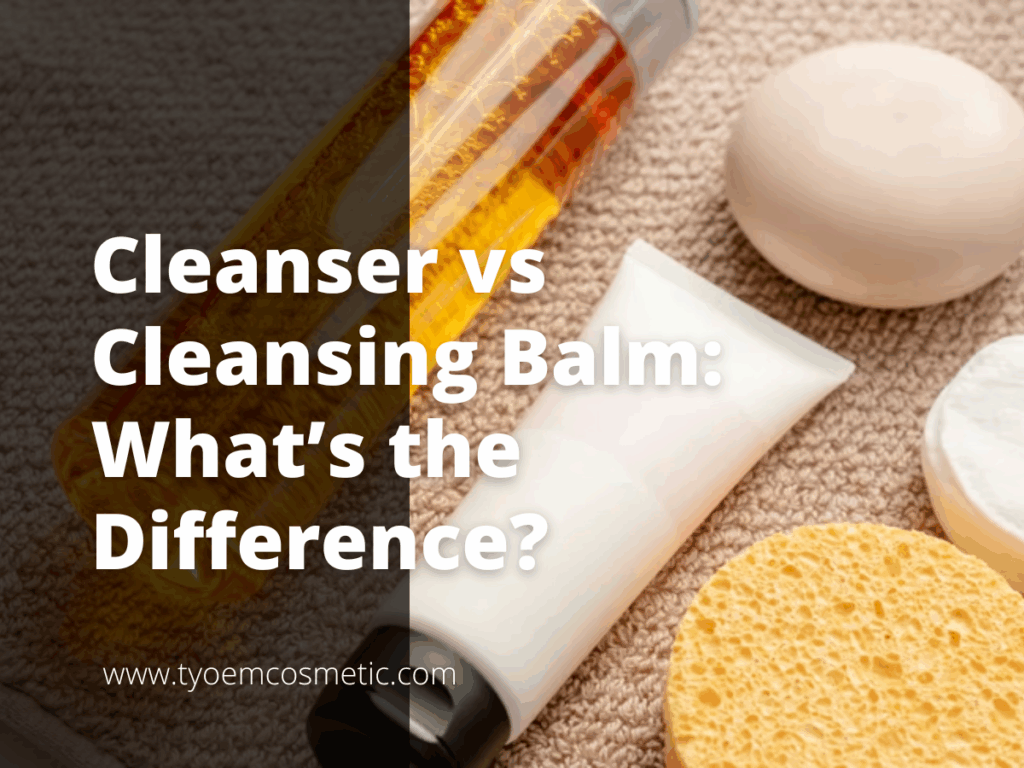
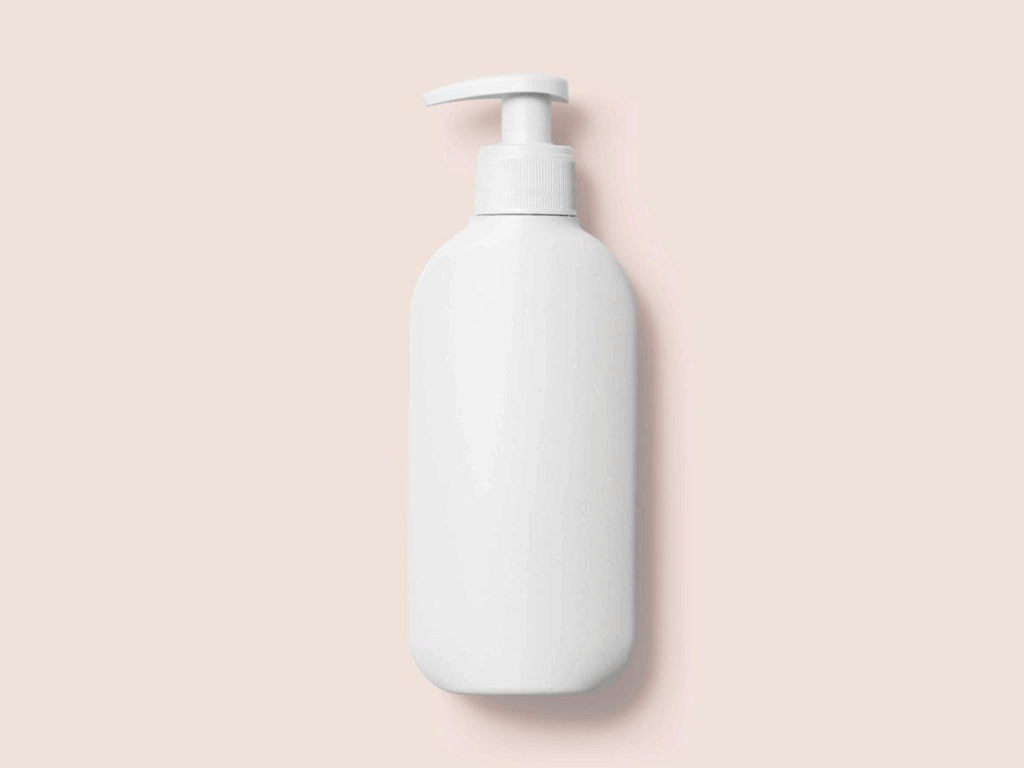
A cleanser is a water-based product made to lift dirt, oil, and sunscreen from the skin. You’ll see it work through surfactants, which help break down buildup so it washes away easily. Your team can shape it into gels, foams, or creams depending on the texture your market prefers. For your product line, a cleanser serves as a basic first-step item that fits well in most routines.
2. What is Cleansing Balm?
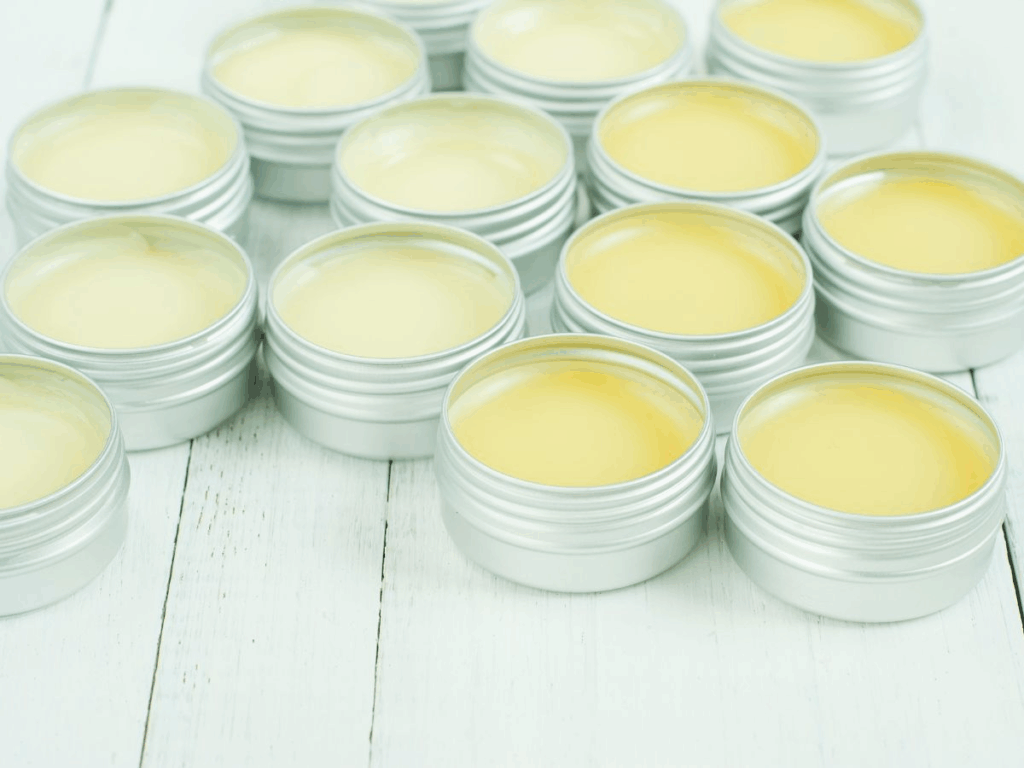
A cleansing balm is an oil-based product that melts down makeup, sunscreen, and heavy buildup on the skin. You’ll see it start as a solid that softens when warmed between the hands. Your team can use different oils and waxes to control how fast it melts and how rich it feels. If you plan to offer deeper cleansing in your line, a balm gives you a product that handles tougher residue with ease.
3. Formulation & Composition
When you start planning your cleansing products, it helps to understand how a cleanser and a cleansing balm are built. Both aim to clean the skin, but the base structure makes them behave differently in production and testing. Knowing these differences will help you choose the format that fits your workflow and customer needs.
Base Ingredients
- Cleanser: A cleanser uses a water base with surfactants that lift dirt and buildup from the skin. You’ll notice it feels lighter, spreads faster, and is easy for your team to rinse during testing.
- Cleansing Balm: A cleansing balm uses oils and waxes that melt when touched, giving you a richer feel. You’ll see it break down heavy makeup and sunscreen more easily because the oils dissolve residue well.
Stability and Texture
- Cleanser: Stays stable with simple mixing steps, and your team can adjust thickness with basic thickeners. You’ll find it easier to manage in large batches because it handles heat and movement well.
- Cleansing Balm: Needs balanced oils and waxes to stay solid but melt smoothly. You’ll need steady temperature control during production to keep the texture consistent.
Takeaway
A cleanser gives you a lighter format that fits most customers and offers simpler production steps. On the other hand, cleansing balm provides deeper cleansing with a softer feel, but it needs more attention to heating and texture control.
At TY Cosmetic, our lab works with a wide range of cleansing bases, so we understand how each ingredient choice affects texture and performance. We help you compare different blends, whether you want something light and simple or a richer formula with more oils. Our R&D team also tests how formulas react during heating and cooling, giving you early guidance before you move to large batches.
If you need help shaping your formula from concept to final texture, our team can guide you through each step.
4. Skin Type Suitability
Understanding how each cleansing format interacts with different skin types will help you plan your business more effectively. You’ll notice that the base ingredients play a large role in how the skin responds. Some customers need lighter cleansing, while others need something richer to handle buildup. When you know what each product supports best, you can guide your buyers with more confidence.
Daily Skin Needs
- Cleanser: A cleanser works well for daily use because it feels light on the skin and washes off quickly. You’ll see that it fits customers who want a simple routine without heavy textures.
- Cleansing Balm: A cleansing balm offers stronger breakdown of sunscreen and makeup while giving the skin a soft finish. You’ll find it works better for customers who use heavier products or need extra comfort.
Comfort and Sensitivity
- Cleanser: A gentle cleanser can support sensitive skin if you choose mild surfactants that avoid tightness after use. Your team can shape the formula to reduce dryness and help it feel smooth on the skin.
- Cleansing Balm: A balm helps calm dry or irritated skin because the oils coat the surface and add moisture. You’ll notice it works well for customers who struggle with dry patches or discomfort after cleansing.
Takeaway
A cleanser supports a wide range of customers who need a light and simple cleaning each day. A cleansing balm serves customers who want deeper cleansing and extra comfort, giving you room to target a more moisture-focused group.
5. Shipping and Storage Requirements
Different cleansing formats handle transport and storage in their own ways, and this can affect your planning. You’ll notice that one stays stable even with temperature changes, while the other needs more protection from heat. These details matter when you move products across regions or store them for long periods. Understanding these needs helps you avoid texture problems and keep your batches consistent.
Temperature Sensitivity
- Cleanser: A cleanser handles normal shipping temperatures well and stays stable in most storage spaces. You’ll find it easy to move in bulk because it does not react quickly to heat.
- Cleansing Balm: A cleansing balm can soften or melt if exposed to warm conditions for too long. You’ll need to protect it from heat during transport to keep the texture smooth.
Packaging Needs
- Cleanser: A cleanser works well in bottles or pumps, and your team will find the filling process easy and fast. You’ll also have fewer concerns about leakage since the texture stays fluid.
- Cleansing Balm: A cleansing balm requires jars or solid containers that support its shape and prevent mess. You’ll need to manage cooling carefully so the balm settles evenly in the container.
Takeaway
A cleanser offers simple shipping and storage because it handles temperature changes with ease. A cleansing balm gives you a richer cleansing product, but it needs extra care during transport to keep the texture stable and appealing.
6. Shelf Life and Stability
Each format behaves differently over time, so it helps to understand how both respond to long storage periods. You’ll see that water and oil bases have their own stability patterns in testing. Some formulas stay smooth for months, while others need closer monitoring. Knowing this early helps you plan production schedules and manage quality checks.
Long Term Stability
- Cleanser: A cleanser usually stays stable for long periods when preserved well, keeping its color and texture steady. You’ll notice it handles storage conditions without many changes.
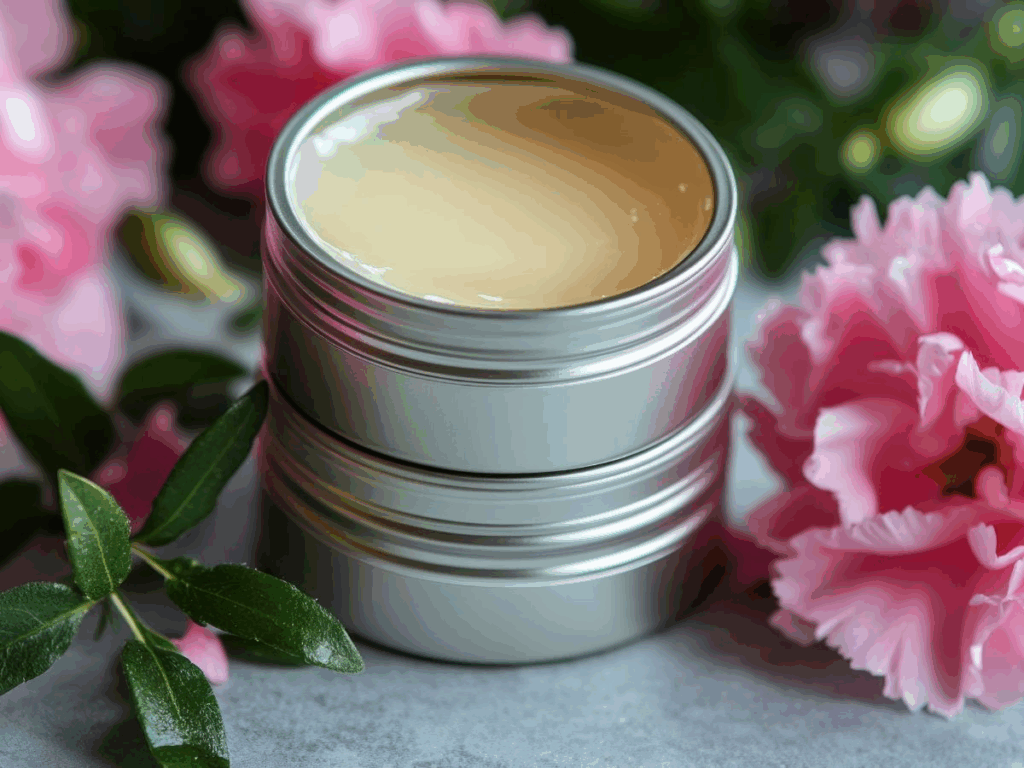
- Cleansing Balm: A cleansing balm holds its form when stored at steady temperatures, keeping its smooth surface. You’ll find that it may soften a little in warmer conditions, but it usually stays usable.
Risk of Separation
- Cleanser: A cleanser may show small signs of separation if your formula is not balanced, but you can correct this early during trials. You’ll catch most issues through routine stability checks.
- Cleansing Balm: A cleansing balm is less likely to separate but may form small grains if your cooling process is too fast. You’ll need to allow slow, steady cooling to avoid texture problems.
Takeaway
A cleanser offers strong long-term stability and fits well into standard production and storage schedules. A cleansing balm is also stable, but it needs closer attention to temperature control to maintain a smooth texture.
At TY Cosmetic, our stability team studies how different cleansing formulas hold up under heat, humidity, and long storage. We track texture changes, color shifts, and separation risks to help you understand how your product behaves over time. Our lab also runs extended stability cycles, giving you clear data before you move into larger production runs.
If you need help improving stability or choosing ingredients that age well, TY Cosmetic can guide you with practical recommendations.
7. Regulatory Requirements
Both formats follow general regulatory rules, but the ingredients you choose influence which documents and tests you need. You’ll find that water-based formulas and oil-based formulas come with slightly different testing needs. These differences matter when you prepare your paperwork for different markets. Planning this early saves your team time and helps keep your launch schedule on track.
Ingredient Review
- Cleanser: A cleanser uses common surfactants and functional ingredients that are widely accepted in cosmetic listings. You’ll find the documentation straightforward since most materials are familiar to regulators.
- Cleansing Balm: A cleansing balm uses oils, waxes, and butters that follow standard cosmetic rules as well. You’ll need to log melting point ingredients clearly so safety teams can review them without delays.
Testing Needs
- Cleanser: A cleanser requires routine testing such as microbial checks, stability testing, and safety assessments. You’ll find these steps simple for your team to complete before release.
- Cleansing Balm: A cleansing balm needs the same core tests but also requires checks on melting behavior to confirm it stays stable during storage. You’ll find this helpful for preventing texture issues later.
Takeaway
Both formats follow the same basic cosmetic requirements, making them easy to prepare for market entry. Your main difference will be texture-related testing for the balm, which helps confirm its stability during storage and transport.
8. Production Cost
Producing these two formats comes with different cost points, which can influence your product planning. You’ll see that ingredient types and production steps make the biggest difference in your budget. Some formulas take more time and heating, while others move faster through the line. Knowing this helps you set the right price and choose the product that fits your resources.
Ingredient Cost
- Cleanser: A cleanser relies on water and mild surfactants, which often keep ingredient costs on the lower side. You’ll notice that most variations remain budget-friendly even when you add simple extracts.
- Cleansing Balm: A cleansing balm uses oils and waxes that can raise the ingredient cost, especially if you choose premium oils. You’ll see that the final cost depends heavily on the oil blend you select.
Production Steps
- Cleanser: A cleanser needs basic mixing steps and standard equipment, helping your team work quickly through batches. You’ll find this reduces labor time and keeps production efficient.
- Cleansing Balm: A cleansing balm requires heating and cooling steps that take more time and attention. You’ll notice these steps increase labor effort and may raise overall production cost.
Takeaway
A cleanser provides a cost-friendly option with fast and simple production steps. A cleansing balm offers a richer feel but may require a bigger budget due to its oil blend and longer processing time.
9. 3 Factors To Consider When Choosing Between Cleanser and Cleansing Balm
Choosing between a cleanser and a cleansing balm often comes down to what your customers expect and how your brand wants to position the product. You’ll see that each format carries its own strengths, and the right choice depends on your goals for texture, performance, and market fit. Here are the key points you should look at before deciding.
#1 Target Market
Your customers play a major role in which format works best. If your market prefers light and quick routines, a cleanser may fit better because it feels familiar and easy to use. A cleansing balm works well for customers who wear heavier makeup or need more comfort after cleansing. You’ll want to look at your buyer’s habits, region, and preferences before choosing which formula to develop.
#2 Production and Workflow
Your production setup matters more than most people expect. A cleanser moves through mixing and filling quickly, making it a good fit if you want a smooth, fast workflow. A cleansing balm takes more attention because of its heating and cooling steps, which can slow down production if your equipment is limited.
At TY Cosmetic, we manage both quick-mix formulas and heat-based batches every day, so we understand how each product moves through the line. We can guide you through batch timing, cooling steps, and filling methods, which reduces the trial-and-error stage for your team. If you need support in choosing a formula that fits your production capacity, we can walk you through the options.
#3 Brand Positioning and Feel
The texture you choose sends a message about your brand. A cleanser gives your line a clean and simple direction that appeals to a wide audience. A cleansing balm creates a richer, more sensory feel that can push your brand into a softer or more nourishing space. Think about how you want customers to experience your product and what message you want your line to communicate.
Conclusion
That brand owner, who struggled to choose between a cleanser and a cleansing balm, finally understood the difference after we walked through each option. You now have the same clarity.
This article showed you how both formats work, how they behave in production, and how each one fits different customers. Your next step is to pick the formula that matches your market and your workflow.
If you want guidance from a team that works with these products every day, reach out to us. We can help you shape a formula that fits your brand. Contact TY Cosmetic today!