












A start-up brand once told me she had samples piled on her desk, but no idea how to read a body butter ingredients list. I guided her step by step, and she said it saved her time and stress.
You may be in a similar spot, and this article will help you move forward with a clearer view.
At TY Cosmetic, we help businesses build and refine body care formulas. I review ingredients every day, so this guide comes from direct, hands-on work.
In this article, you will see each ingredient explained with simple notes. By the end, your search for a clear and direct review will be met.
So before we go deeper, let’s set the focus.
Let’s begin!
Quick Comparison Chart
Many buyers want a fast way to see how body butter ingredients differ. This chart gives you a simple view, so you can judge what fits your product needs. Each group plays a different role, and this table helps you sort them at a glance.
| Ingredient Group | Main Role | Skin Feel | Common Examples | Notes |
| Core Base | Gives structure and firmness | Thick, rich | Shea butter, cocoa butter | Builds the main body of the formula |
| Carrier Oils | Adds spreadability | Light to mid | Jojoba oil, coconut oil | Supports the base and softens the texture |
| Emollients & Extracts | Softens skin | Smooth | Aloe extract, glycerin | Adds comfort and plant-based support |
| Essential Additives | Helps product performance | Light | Antioxidants, stabilizers | Supports texture and shelf life |
| Preservatives (Optional) | Stops growth of microbes | No feel | Phenoxyethanol, potassium sorbate | Needed for products with water |
| Scent & Sensory | Adds scent and touch | Varies | Fragrance oils, essential oils | Gives the final sensory style |
| Colorants (Optional) | Adds color | No feel | Mineral pigments, plant powders | Used for visual impact |
| Functional Active Ingredients | Supports targeted skin needs | Light | Niacinamide, plant actives | Used for added skin support |
1. The Core Base
A strong base sets the feel of your body butter. We work with many brands that want steady texture, rich skin glide, and long-lasting comfort. You may already know the struggle of picking the right base, so this part gives you clear guidance.
These butters make up the structure, weight, and softness of your formula. They shape how your product melts, spreads, and settles on the skin.
Purpose
The base adds richness that helps the product stay on the skin longer. It also creates occlusion, which keeps moisture from slipping away too fast. Texture comes from the balance of firmness and melt speed, so choosing the right butter is important for your end user.2
Types
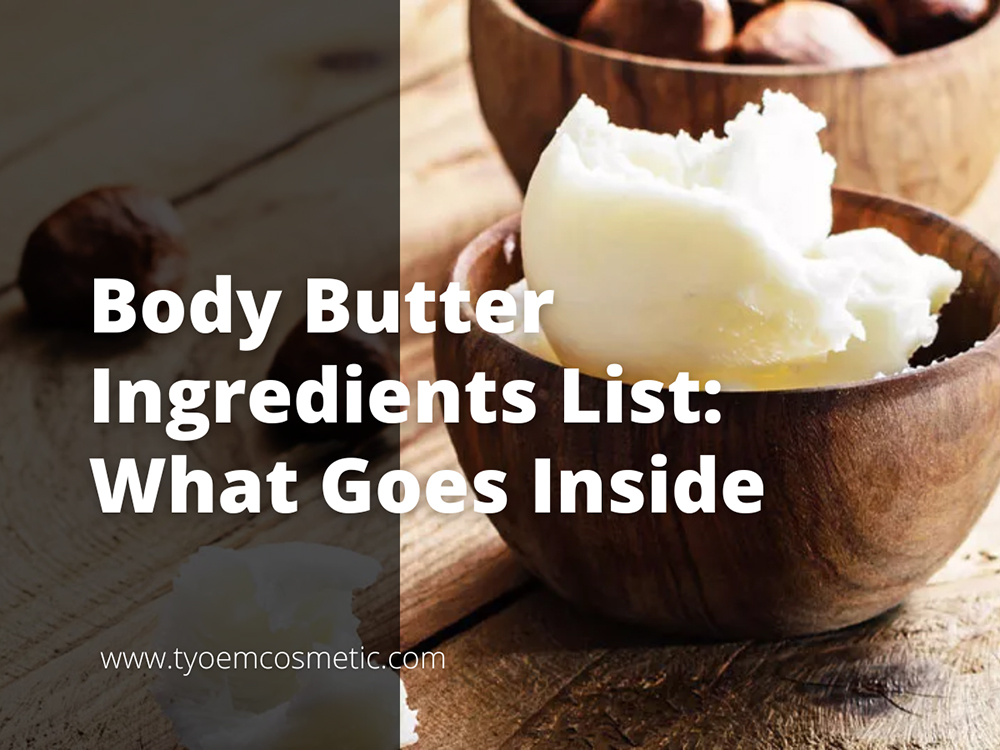
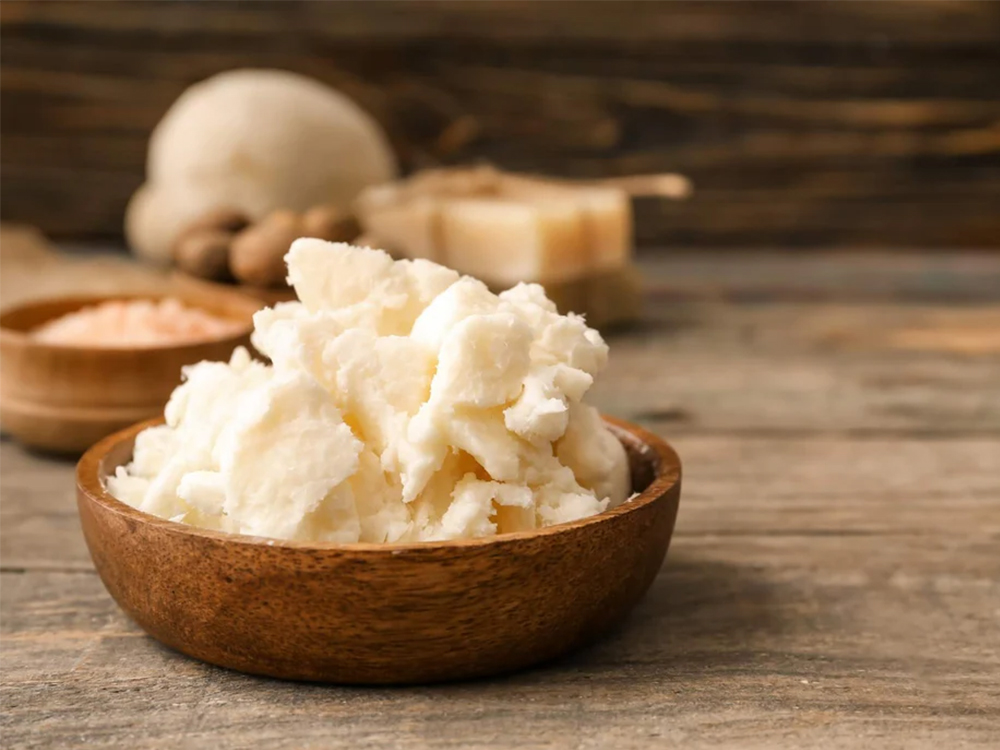
- Shea Butter: Shea butter has a creamy feel and melts at a gentle, skin-friendly temperature. Many spa brands choose it because it comforts dry skin and offers a soft glide. The usage range is often around 5–20%.
- Cocoa Butter: Cocoa butter is firmer and melts more slowly, which gives products a solid base. It is often used by brands that want a strong moisture barrier or a firmer jar texture. Usage range is usually 3–15%.
- Mango Butter: Mango butter feels lighter and melts quickly, giving a soft and smooth finish. Start-up brands and sensitive-skin products like that because they do not feel heavy. Usage range is often 5–15%.
- Kokum Butter: Kokum butter is very stable and brings structure without thick weight. It works well for brands that want a firmer whip or clean spa-style texture. The usage range is around 1–10%.
- Cupuaçu Butter: Cupuaçu butter holds a large amount of moisture and melts fast on contact. Luxury brands often use it for soft, high-end body butter lines. The usage range is usually 3–10%.
Bottom Line
Your base sets the tone for your final formula, so choosing the right butter matters for product feel and user experience. Each butter brings a different structure, melting speed, and comfort.
Think about how your clients want their product to spread and how long they want it to stay on the skin. With the right mix, your body butter can meet your client’s texture needs with ease.
2. Carrier Oils
Carrier oils shape how your body butter spreads and settles on the skin. We see many brands struggle with greasiness, slow absorption, or rising costs, so this section gives you a clear path. As you pick your oils, think about your clients, your price point, and the feel you want your product to have.
These oils adjust glide, softness, and absorption speed. They also play a big part in how your final formula fits your market level, from spa lines to premium retail.
Purpose
Carrier oils help your product move over the skin with ease. They add nourishment and comfort, while also shaping how fast or slow the product sinks in. Your choices here guide the feel, the finish, and the cost.
Types
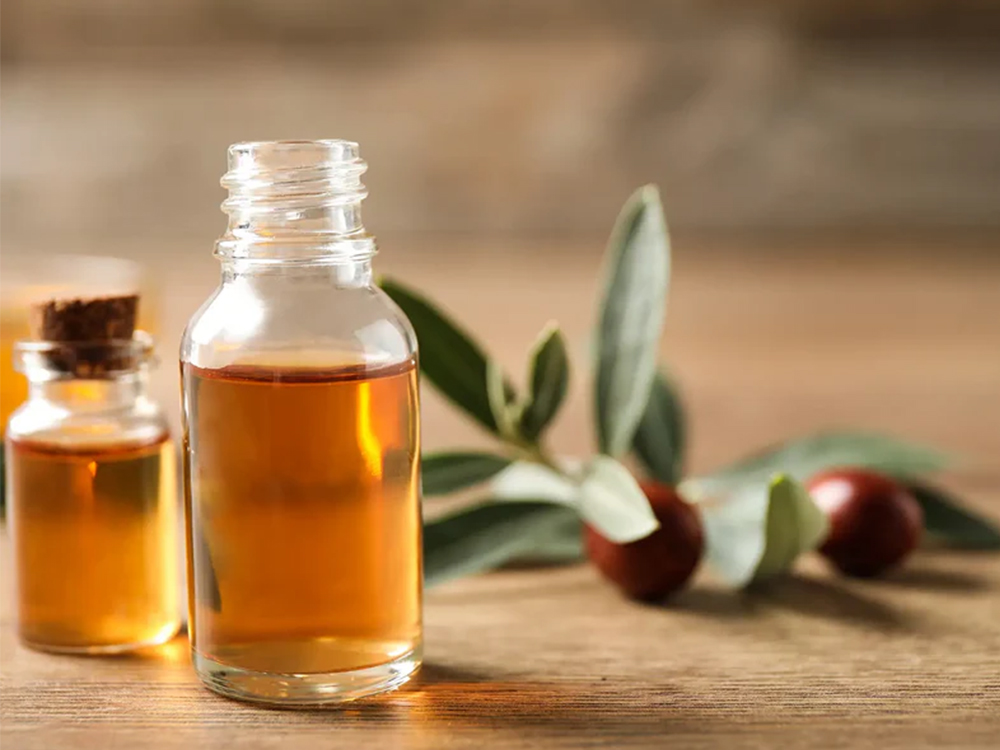
- Jojoba Oil: Jojoba oil feels close to the skin’s natural oils and supports a smoother finish. It helps reduce greasiness and works well in products for balanced or combination skin. Usage often fits 2–10%, depending on texture needs.
- Sweet Almond Oil: Sweet almond oil is light and has a mild occlusive touch. It works well for spa-style body butters that need softness without heavy residue. Usage usually sits around 3–15%.
- Coconut Oil: Coconut oil brings a richer feel and firms up at cooler room temperatures. It suits dry-skin lines or brands that want a creamy, comfort-focused texture. The usage range is often 5–20%.
- Grapeseed Oil: Grapeseed oil absorbs fast and leaves little residue. Brands use it when they want a clean, non-greasy finish. Usage is commonly 3–10%.
- Avocado Oil: Avocado oil is nutrient-rich and supports products for mature or dry skin. It creates a smooth, nourishing glide and gives the formula a more caring profile. Usage usually falls between 2–10%.
- Argan Oil / Marula Oil: Argan and marula oil add a premium touch and lift the product’s price position. They work well for high-end lines that focus on softness and skin comfort. Usage is often 1–5% because of cost and strong market value.
Bottom Line
If you want support choosing the right oil mix for your product line, TY Cosmetic can guide you with direct, hands-on formulation help. We work with brands at every stage, and we can help you shape the glide, absorption, and price structure that fits your market. Reach out when you want steady product direction backed by real lab work.
3. Emollients & Extracts
Emollients and extracts shape the softness and feel of your body butter. We work with many brands that want smoother glide, better payoff, and clear marketing value without raising costs too much. You may find that small additions here can change the full sensory profile of your formula.
These ingredients help your product feel smoother on the skin while also adding gentle support for various skin needs. They bring both touch benefits and story value for your clients.
Purpose
Emollients and extracts help the formula glide smoothly and leave the skin feeling soft. They support light moisture without adding heavy residue. They also shape the overall feel of the product, giving your clients a cleaner and more pleasant finish.
Types
- Squalane: Squalane feels light and sinks into the skin with ease. It gives your formula a smooth, silky finish that pairs well with spa and premium lines. Usage often falls between 1–5%.
- Cetyl or Cetearyl Alcohol: These fatty alcohols help your product feel smoother and more stable. They thicken the formula without the dryness linked to simple alcohols. Usage usually ranges from 2–8%.
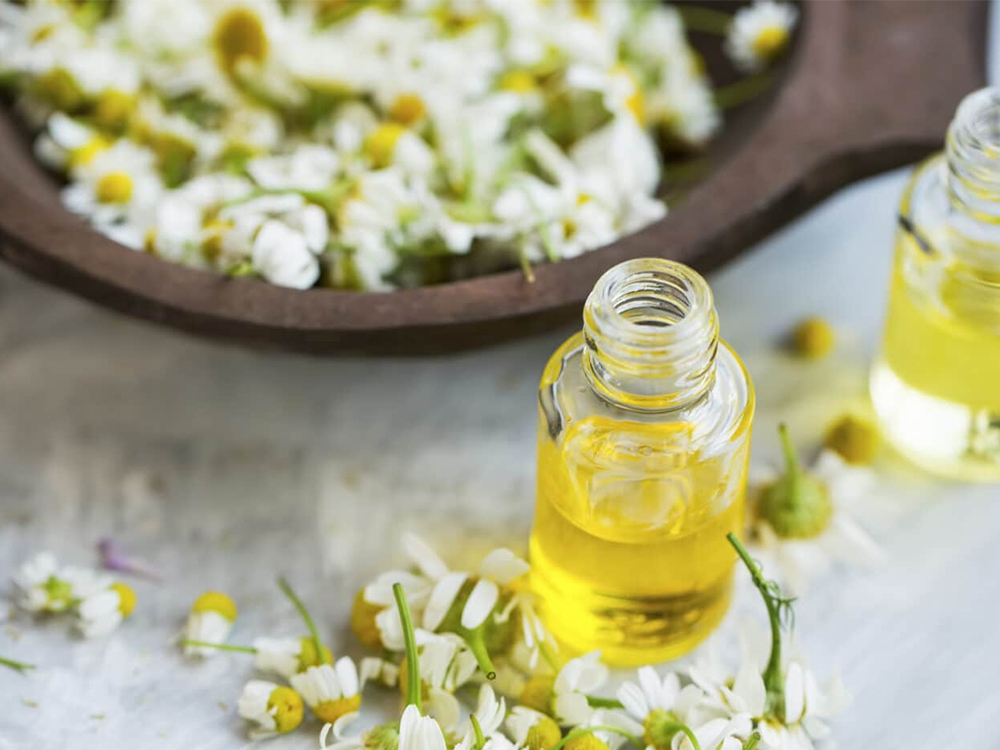
- Plant Extracts (Calendula, Aloe, Chamomile): Plant extracts support your product story and add gentle comfort to the skin. Many brands use them to appeal to clients who want simple, plant-forward messages. Usage often sits at 0.5 – 2%, depending on extract strength.
Bottom Line
Emollients and extracts shape more than texture—they influence how your product feels in contact and how your brand presents its values. A small shift in this group can change glide, softness, and market appeal. Picking the right mix helps your body butter meet the needs of your clients while keeping the formula steady and pleasant.
4. Essential Additives
Essential additives help your body butter stay stable, smooth, and consistent over time. We see many brands run into issues like separation, dull texture, or fast oxidation, and these small ingredients often make the difference. As you refine your formula, these additives help you keep your product steady from batch to shelf.
Purpose
Essential additives help your body butter stay uniform and keep its texture from shifting. They slow down early oxidation and support better spreadability. They also help you keep a clean and steady finish through different storage conditions.
Types
- Antioxidants: Antioxidants help slow down early oxidation and keep oils fresh for longer. They support shelf life and are helpful for formulas with high oil content. Usage often ranges from 0.1–1%.
- Stabilizers: Stabilizers help your body butter hold its shape and reduce the chance of separation. They support texture during temperature changes and heavy handling. Usage commonly falls between 0.2–1%.
- Thickeners: Thickeners help adjust firmness and add body to your formula. They create a smoother feel and help your product scoop cleanly. Usage is often 0.5–3% depending on the type used.
- Chelators: Chelators help bind metal ions that may affect stability. They support clarity, improve long-term freshness, and keep the formula more stable in storage. Usage is usually 0.05–0.2%.
Bottom Line
Essential additives play a key role in keeping your formula stable, fresh, and smooth. They support shelf life, protect your oils, and help you avoid texture issues that can frustrate your clients. If you want support choosing the right additives for your product line, TY Cosmetic can help guide you with clear and practical direction.
We work with brands who need steady formulas that hold up across shipping, storage, and long-term use. Reach out when you want help building a stable, high-performing body butter backed by real lab experience.
5. Preservatives (Optional)
Some body butter needs preservatives and some do not. We work with many brands that worry about mold or early spoilage, especially when adding water-based extracts. You may face the same concern, and this section will help you decide if your formula needs extra protection.
If your body butter has water, hydrosols, or plant extracts in solution, a preservative becomes important. If it is fully oil-based, you may skip it, but you still need to understand your risk level.
Purpose
Preservatives help stop the growth of mold, yeast, and bacteria. They keep your product safe during storage and daily use. They also protect your clients from contamination when the jar is opened again and again.
Types
- Phenoxyethanol: Phenoxyethanol is a steady and commonly used preservative for many body care products. It works well in a wide range of pH levels and holds up through storage. Usage usually ranges from 0.5–1%.
- Potassium Sorbate: Potassium sorbate helps slow the growth of mold and yeast. It works best when paired with other supportive ingredients and in formulas with a balanced pH. Usage often sits around 0.1–0.3%.
- Sodium Benzoate: Sodium benzoate supports products that need mild, broad control against microbes. It works well in lower pH systems and can help keep the formula safe during long storage. Usage is commonly 0.1–0.5%.
- Natural Preservative Blends: Some brands choose natural blends for marketing value. These blends support basic protection, but you need to test them well to confirm performance. Usage varies widely based on formulation needs.
Bottom Line
Preservatives help keep your product safe when water or water-based ingredients are present. They support clean storage, safer use, and more predictable shelf life. If your formula has any water content, a preservative is a wise choice. If your formula is fully oil-based, you may not need one, but careful testing is still important.
6. Scent & Sensory Ingredients
Scent plays a big part in how your body butter feels to your customers. We see many brands focus on texture and slip but overlook how scent shapes the full user experience. You may already know that the right scent can lift your product, while the wrong one can turn buyers away.
Sensory ingredients also help control glide, melting feel, and skin finish. Together, they shape how your product is remembered.
Purpose
Scent and sensory ingredients build the first impression when someone opens the jar. They guide mood, support brand identity, and help balance the feel of your formula. They also influence how smooth or soft your body butter feels during use.
Types
- Fragrance Oils: Fragrance oils give you a wide range of scents and help you stay consistent across batches. They are easy to blend and work well for brands that want a clear, steady scent profile. Usage is often 0.5–3%.
- Essential Oils: Essential oils add plant-based scent with natural positioning. They offer strong aroma but must be used at safe levels to avoid irritation. Usage is commonly 0.2–1% based on strength.
- Silicone Alternatives: These ingredients boost slip and make the formula feel smoother without heaviness. Many brands use them to create a soft-touch finish that feels clean on the skin. Usage often falls between 1–5%.
- Sensory Esters: Sensory esters help adjust glide and reduce greasiness. They give your body butter a more refined finish and support quick absorption. Usage is usually 1–4%.
Bottom Line
Scent and sensory ingredients help your body butter feel complete. They shape mood, reinforce brand identity, and support the skin finish your clients expect. With the right mix, you can offer a product that feels smooth, smells pleasant, and stands out in both spa and retail settings.

7. Colorants (Optional)
Colorants are optional, but they can help your body butter stand out on the shelf. We work with many brands that want a soft tint for branding or a richer tone for product identity. You may also want a color shift if you offer a themed line or seasonal collection.
These ingredients add visual appeal without changing the texture. They can be bold or soft, depending on what your clients expect.
Purpose
Colorants help shape the look of your product and support your brand’s style. They make your body butter feel more polished and eye-catching. They also help you match the color story of your full product line.
Types
- Mineral Pigments: Mineral pigments offer stable color with good opacity. They work well for soft pastels or richer tones without staining the skin. Usage often falls between 0.1–1%.
- Mica Powders: Mica adds shimmer or a light glow without changing texture. Many brands use it for spa or specialty products that need a gentle highlight. Usage is usually 0.1–0.5%.
- Plant-Based Powders: Plant powders add natural color and support a more plant-forward message. They offer softer tones but can shift over time, so testing is important. Usage varies widely from 0.1–2%.
- Liquid Colorants: Liquid colorants blend easily and give you more control when adjusting shades. They work well for large batches or products that need precise color matching. Usage depends on strength but often stays within 0.1–0.3%.
Bottom Line
Colorants are useful when you want your body butter to match a theme, lift your brand style, or stand out in a crowded category. They help create a more finished look without changing how the product feels. With careful testing, you can use small amounts to create a strong visual impact.

8. Functional Active Ingredients for Enhanced Benefits
Active ingredients help your body butter do more than soften the skin. We work with many brands that want better results for dry skin, dull skin, or stressed skin, and these additions help them reach those goals. You may also want to level up your formula if your clients expect clear performance claims.
These actives support smoother texture, brighter tone, and better moisture retention. They also help you target specific customer needs without making the formula heavy.
Purpose
Functional actives give your body butter added value. They help support clear results for different skin concerns. They also help your product feel more purposeful for spa, retail, or premium lines.
Types
- Niacinamide: Niacinamide supports even tone and helps reinforce the skin’s surface. It works well in products for dull or stressed skin and blends smoothly into most emulsions. Usage is often 2–5%, depending on your goal.
- Hyaluronic Acid (Oil-Compatible Forms): Oil-compatible forms help retain moisture and give a soft, hydrated feel. They pair well with richer body butter bases that need an added moisture lift. Usage is usually 0.1–1%.
- Peptides: Peptides support firmer-looking skin and help your product feel more performance-focused. Many brands use them for mature-skin lines or premium collections. Usage often ranges from 1–3% based on strength.
- Plant-Based Actives: Plant actives offer support for calming, brightening, or moisturizing needs. They add story value and help your formula feel more skin-focused. Usage varies widely, often 0.5–3%.
Bottom Line
Functional actives help your body butter meet clear skin goals and support a more targeted product line. They can lift performance, strengthen your message, and give your clients results they can feel. With the right actives in the right range, your formula can better serve specific skin needs while staying smooth and pleasant to use.

Factors to Consider When Building Your Body Butter Formula
Many brands reach out to us because they feel unsure about which ingredients matter most. You may also face tight budgets, texture goals, or client expectations that point in different directions. This section gives you a steady way to think through each choice so your final formula feels clear and manageable.
- Texture Goals: Think about the finish you want—light, rich, quick-absorbing, or long-lasting. Your base butters and oils play the biggest part here. A simple shift in ratios can change the whole feel of your product.
- Price Position: Your ingredient mix shapes your final cost, so choose with your market level in mind. Premium oils and actives lift the product’s value but also raise batch cost. Keep your price target clear before finalizing your formula.
- Skin-Type Fit: Your formula should match the needs of your target users. Dry skin may need richer butters, while spa clients may prefer lighter melts and cleaner finishes. Actives and emollients also help you fine-tune this balance.
- Stability and Shelf Life: Stability affects how your product holds up during shipping and storage. The right additives, antioxidants, and testing plan help prevent separation and early oxidation. A well-stabilized formula stays pleasant from first use to last.
Conclusion
The client who once sat with samples on her desk finally found clarity after learning what each ingredient could do.
You now have that same clear path. This guide brought you through bases, oils, additives, and actives so you can shape a body butter that fits your brand’s goals.
Each choice supports how your product feels, performs, and reaches your customers. If you want help building a formula that stays steady from lab to launch, we can support you.
At TY Cosmetic, we help brands move with confidence. Contact us today!