











A small skincare brand once came to me after struggling with repeated batch failures. She wanted someone who could explain the face wash manufacturing process in a simple and steady way.
That same need for clarity leads us into this review.
You can trust this review because I work closely with production and testing teams at TY Cosmetic. I guide clients through each phase so they understand what happens at every step.
Here, you will find a clear outline of the face wash manufacturing process. Your goal for simple and direct information will be met.
With that in mind, let’s set the stage for the steps ahead.
So, let’s get started!
Quick Overview Chart
Brands often ask for a simple view of how face wash moves from an idea to a finished product. This quick table gives you a clean snapshot of each stage in the process.
| Step | What Happens | Key Goal | Who Handles It |
| 1. Formulation & R&D | Create base formula and test samples | Build a stable and safe formula | Chemists and R&D team |
| 2. Ingredient Sourcing & Prep | Buy and prepare raw materials | Gather safe and approved ingredients | Purchasing and warehouse team |
| 3. Batch Manufacturing & Mixing | Combine ingredients in set order | Produce a consistent batch | Manufacturing team |
| 4. Testing & QA/QC | Check safety, stability, and quality | Confirm product meets standards | QA/QC team |
| 5. Filling, Packaging & Labeling | Fill bottles and apply labels | Prepare product for sale | Filling and packaging team |
| 6. Final Inspection | Review finished units | Make sure goods are ready to release | Inspection team |
| 7. Packing & Shipping | Pack boxes and send orders | Deliver goods to clients | Logistics team |
Step#1 Formulation & Research & Development (R&D)
Many brand owners come to us with early product ideas but need help shaping them into working formulas. This step gives you clear direction so your face wash starts off strong. We walk beside you, making sure you understand how each choice affects your final product.
Understanding Different Types of Face Wash Formulas
- Gel Cleansers: These blends feel light and rinse off fast, which many brands want for daily use. They work well for clients who prefer a clean finish without heaviness. Gel bases also make room for mild actives.
- Cream Cleansers: These formulas bring a smoother feel and add comfort for dry or sensitive skin. They often use gentle emollients to support moisture. Many spa-focused brands prefer this option for a calm cleansing step.
- Foaming Cleansers: These formulas create light foam using surfactants. They give users a fresh, lifted feel after washing. This option works well for oily skin or brands that want a more refreshing style.
- Oil-Based Cleansers: These formulas break down makeup, sunscreen, and excess oil. They use plant oils or esters that spread easily and leave skin soft after rinsing. Many professional brands use them as a first cleansing step.
- Exfoliating Cleansers: These blends include mild beads or acids to support surface renewal. They work best when used a few times a week rather than daily. Many brands choose this type as a companion product in a full line.
Factors Considered by Cosmetic Chemists
- Skin Type Needs: Chemists study who will use the product and how their skin behaves. They adjust surfactants, oils, and actives to match those needs. This step helps your product align with your market.
- Ingredient Safety: Every ingredient has usage rules, so chemists check levels before moving forward. They confirm that nothing will cause problems when used as directed. This helps protect your brand and your customers.
- Texture Goals: Chemists shape thickness, slip, and final skin feel based on your direction. They may adjust gums, oils, or surfactants to reach the right texture. This gives your formula the feel you want for your users.
Sample Development & Prototype Creation
- Small Batch Samples: Chemists create small tests to see how the formula behaves in real conditions. They review texture, scent, and color to make sure everything looks right. You receive these samples to check if they match your vision.
- Performance Checks: These checks look at foaming level, spread, wash-off, and overall comfort. The team reviews how the formula reacts over short periods. This helps spot needed changes before scaling up.
- Client Feedback: Your notes guide what happens next. If you want a softer feel, more foam, or less scent, this is the stage to adjust it. The formula shapes around your brand goals.
This step lays the groundwork for your product’s direction. By the end of R&D, you have a formula that fits your goals and is ready for the next stage of production.
Step#2 Ingredient Sourcing & Raw Material Preparation
This step makes sure your approved formula receives the right materials from the start. We help you understand what goes into your face wash and how each ingredient is prepared before mixing. Clear sourcing protects your product and keeps the project on track.
Common Ingredients in Face Wash Manufacturing
| Ingredient | Purpose | Typical Use | Notes |
| Surfactants | Lift dirt and oil | Main cleansing base | Choose mild types for daily use |
| Humectants | Hold moisture | Support hydration | Often used with glycerin or similar agents |
| Emollients | Add softness | Improve comfort | Helps reduce dryness after washing |
| Thickeners | Adjust thickness | Control flow and texture | Used in small amounts |
| Preservatives | Keep product safe | Protect from spoilage | Pick safe, approved options |
| pH Adjusters | Balance pH level | Skin-friendly finish | Helps avoid irritation |
| Plant Extracts | Add gentle benefits | Support skin feel | Often used for marketing appeal |
| Fragrance | Add scent | Light to moderate level | Used based on brand style |
| Colorants | Add color | Visual appeal | Optional, based on product plan |
| Mild Exfoliants | Surface polishing | Weekly or targeted use | Choose gentle particles |
Supplier Selection & Verification
- Raw Material Checks: Each ingredient is reviewed for purity, documentation, and grade. This helps your formula stay consistent during later stages. Only materials that meet set standards are approved.
- Quality Records: We study supplier history, past batches, and reliability. This reduces delays and supports a steady production flow. Working with steady suppliers helps your product stay stable.
- Testing Before Use: Small tests confirm how each material behaves in your formula. This helps avoid issues during mixing or filling. It also protects the final product from performance problems.
As part of TY Cosmetic, we handle sourcing with care because we know how much it matters for your final product. If you want steady support and clear guidance during this stage, reach out to us so we can help you move through sourcing with confidence.
Step#3 Batch Manufacturing & Mixing Process
This stage turns your approved formula into a real batch. We help you understand how equipment, timing, and careful handling shape the final product. You will see how each step protects texture, stability, and skin feel.
Equipment Used
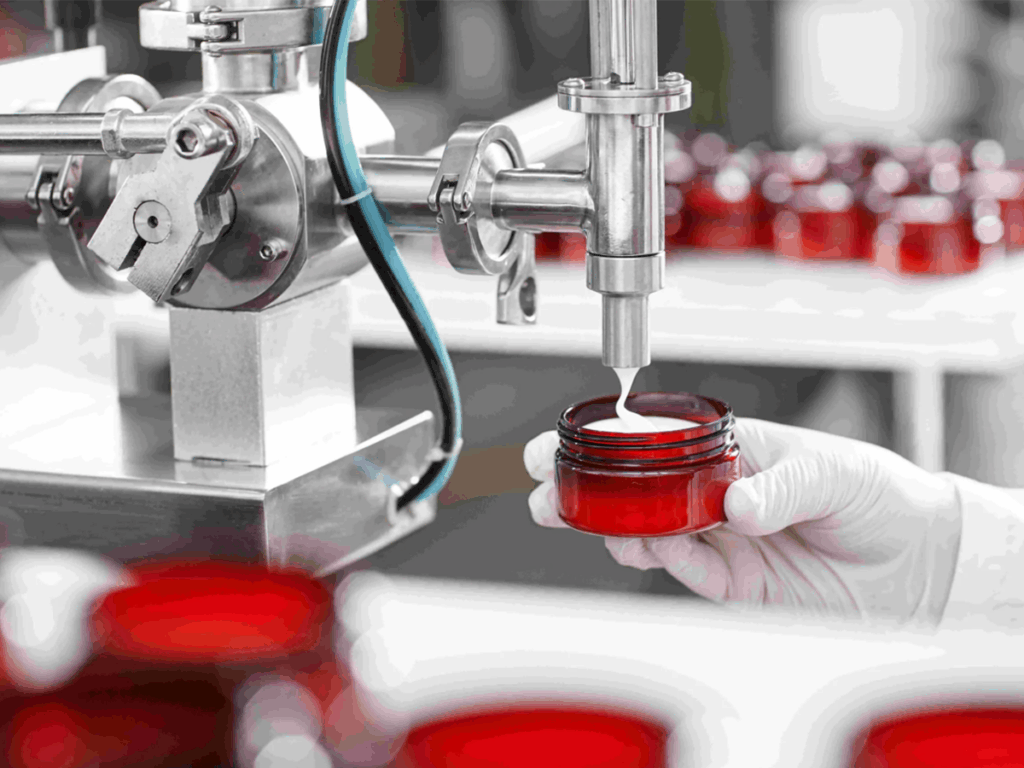
- Stainless Steel Mixing Tanks: These tanks resist corrosion and protect the formula from contamination. GMP-grade stainless steel supports safe handling during heating, cooling, and long mixing times.
- Homogenizers & Agitators: These tools help blend ingredients evenly. They create smooth texture and prevent separation during storage.
- Heating/Cooling Systems: These systems help control temperature through each stage. They protect sensitive ingredients and support stable mixing.
- Inline Filters: Filters catch unwanted particles before filling. This helps keep the final batch clean and smooth.
Why GMP Stainless Steel Equipment Is Required: GMP stainless steel equipment helps protect the formula from impurities and supports safe production standards. It also holds up well under heat, pressure, and long mixing cycles.
Typical Manufacturing Steps
- Water Phase Preparation: This step begins with purified or deionized water because clean water protects the batch from early contamination. The water may be warmed, which helps certain ingredients dissolve more easily and blend well. Careful handling also supports microbial control before other ingredients are added.
- Adding Surfactants & Functional Ingredients: Surfactants and support ingredients are added next, and mixing speeds are adjusted to avoid heavy foaming. Gentle blending helps prevent foam collapse, which protects the texture. This also keeps sensitive ingredients from breaking down too early in the process.
- Active Ingredients Incorporation: Active ingredients are introduced once the temperature drops to a safe level. Lower heat helps protect vitamins, plant extracts, and other sensitive materials. Mixing times are watched closely to help these actives stay stable and well-distributed.
- Adjusting pH & Viscosity: Thickening agents such as Carbomer or Xanthan gum are added to bring the batch to the right texture. A neutralizer is then blended in to adjust the pH to a skin-friendly range. pH control is important because it affects comfort, product stability, and how well the cleanser performs.
Batch Consistency Control
- Homogeneity Checks: Samples are taken from different points in the tank to confirm even mixing.
- Batch Size Scaling Issues and Solutions: Larger batches may mix differently than small samples, so adjustments are made to speed, time, or temperature to keep results steady.
Step#4 Testing & Quality Assurance (QA/QC)
This step confirms that your face wash stays safe, steady, and ready for market use. We review how it performs over time and under different conditions. These checks support your product before it moves into final production.
Stability Testing
- Heat/Cold Cycles: We place the product under repeated warm and cold conditions to see how the formula reacts. This helps us catch early signs of separation or texture shifts before the product is released.
- Freeze-Thaw Tests: The batch is cycled through freezing and thawing to reveal any hidden stability weaknesses. This step helps predict how the product behaves during shipping or storage.
- Packaging Compatibility: We check how the formula interacts with its container, pump, or cap. This review helps prevent issues like discoloration, leaks, or texture changes after filling.
Microbiological Testing
- Preservative Performance: We test how well the preservative system holds up when exposed to microbes. This helps confirm that the formula stays safe during daily use.
- USP 51 Preservative Challenge Test: Microbes are added to the product under controlled conditions to see how fast the system responds. Testing is non-negotiable because one missed issue can lead to safety concerns, product returns, or harm to your brand.
Safety & Compliance Testing
- Irritation Tests: These tests check how the product behaves on skin to help reduce the chance of discomfort. They support safe use for a wide range of customers.
- Heavy Metal Testing: We check for trace metals to help confirm the formula stays within safe limits. This step protects your product from safety risks tied to raw materials.
- Regulatory Compliance Checks: We review paperwork and safety data to help your product meet trade rules in multiple regions, including FDA (USA), EU Cosmetic Regulation, ASEAN, and GCC. Each area has its own rules, so this step helps keep your launch on track.
At TY Cosmetic, we handle these tests with care because your brand depends on steady, safe performance. If you want guidance that keeps your product market-ready, our team is here to support you through every stage of QA and QC.

Step#5 Filling, Packaging & Labeling
This stage brings your product into its final form. We help you understand how your face wash moves from bulk batch to bottled goods ready for sale. Each step is handled with care so your product looks clean, stable, and fit for your market.
Filling Process
- Clean Filling Lines: We use clean and controlled lines to transfer the bulk batch into bottles. This helps protect your product from unwanted particles and keeps every unit consistent. You get a stable and reliable result across each run.
- Accurate Fill Volumes: Filling machines are set to match your chosen size, whether small trial units or full retail bottles. This helps avoid overfill or short-fill problems. It also reduces waste during production.
- Air Bubble Reduction: We use slow, steady filling speeds to reduce trapped air. This helps improve shelf appearance and keeps the formula stable inside the container.
Packaging Options for Face Wash
- Bottles with Pumps or Flip Caps: These are common for gel and foam cleansers because they are easy for customers to use. They also help control how much product comes out. You can choose shapes that match your brand style.
- Tubes for Thicker Formulas: Tubes help hold thicker or cream-based cleansers and make them travel-friendly. They are simple to fill and seal. Many brands use them when they want a clean, compact design.
- Special Packaging Needs: Some formulas need dark bottles or airtight packaging for actives that react to light or air. These options help protect your product’s performance. We help you pick what fits your formula best.
Labeling Compliance
- Required Product Information: Labels must list ingredients, net weight, and directions for use. This helps customers understand what they are buying and how to use it. It also supports smooth market entry.
- Safety and Warning Statements: Some formulas need added notes for safe use. These statements help protect both your brand and your customers. They also support proper handling and storage.
- Regulatory Layout: Label design must follow each region’s rules for placement of text and details. This helps prevent delays during checks or shipping. A clear layout supports a smooth launch.
Step#6 Final Inspection
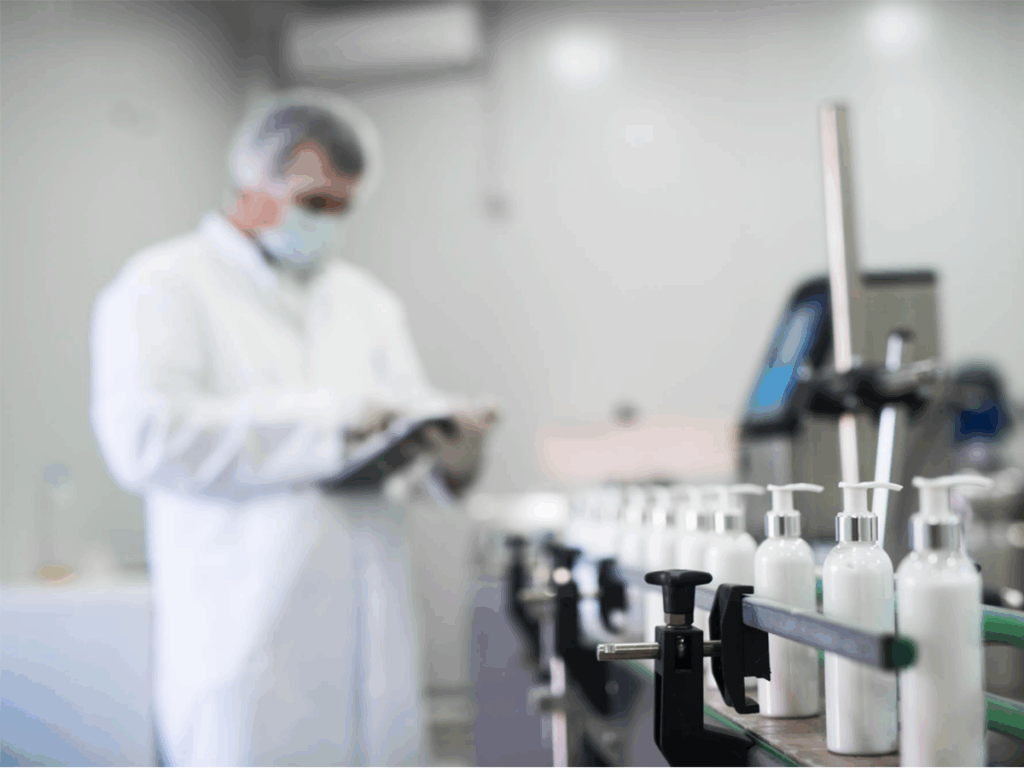
Before your face wash moves to packing and shipping, we take time to review every finished unit. This stage helps you avoid returns, product issues, and customer complaints. We check each detail so your product reaches your market in good shape.
Visual & Physical Checks
- Packaging Condition: We look for dents, scratches, or weak seals that may affect quality. This helps prevent problems during transport or store display. You get products that look clean and ready for sale.
- Fill Level Accuracy: Each unit is checked to confirm the correct amount of product inside. This supports fair, steady output across every batch. It also prevents wasted materials and customer concerns.
- Label Position & Appearance: Labels are reviewed for alignment, clarity, and proper placement. This step helps your product look professional and easy to read. A clean label supports a strong brand impression.
Functional Checks
- Pump or Cap Performance: We test pumps, flip caps, and closures to confirm they open and close well. This helps reduce leaks and improves ease of use. It also supports customer trust in your packaging choice.
- Texture & Appearance Review: A small sample is checked for texture, color, and consistency. This confirms that the product held up through filling and handling. It also helps catch any signs of separation or irregularities.
- Scent and Feel Check: We make sure the scent and feel remain the same as earlier approved samples. This helps protect your product’s identity and user experience. A steady result supports your brand quality.
Step#7 Packing & Shipping
This final step prepares your finished face wash for transport. We make sure your products are packed safely and sent out in the condition you expect. You get clear handling and shipping support so your goods arrive ready for your customers.
Packing Process
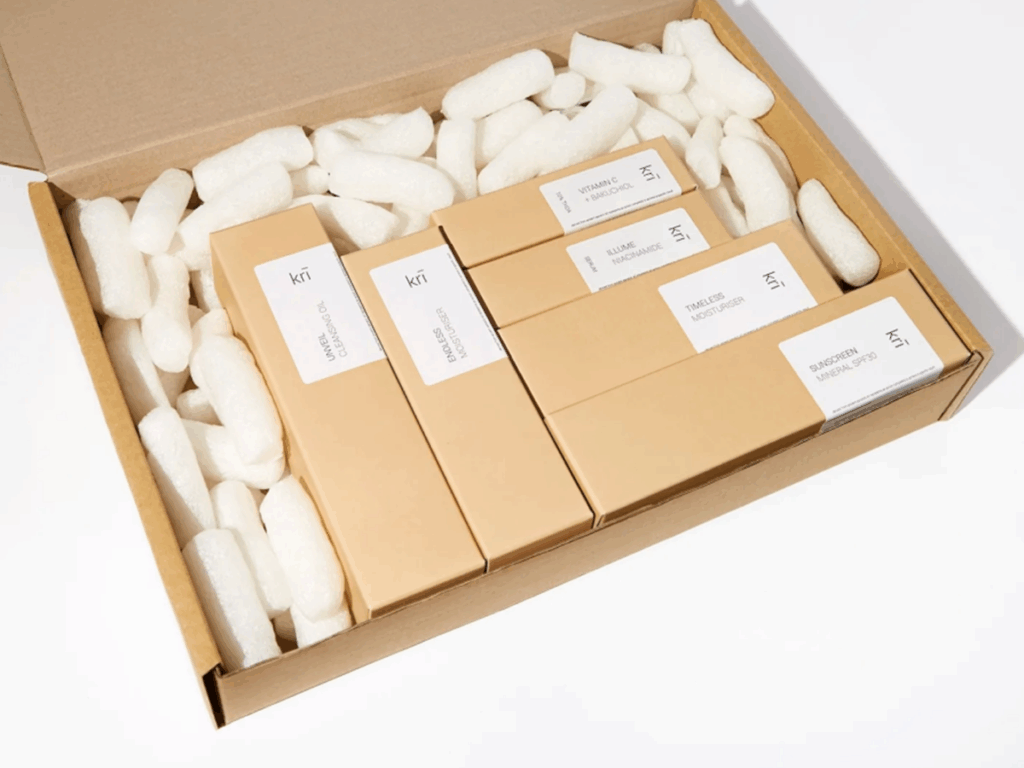
- Protective Packaging: We place each unit in sturdy cartons or dividers to reduce movement during transport. This helps prevent cracks, leaks, or label damage. You receive products that stay in good condition through long-distance shipping.
- Batch Coding & Carton Labeling: Each box gets clear batch codes, product names, and quantity details. This supports smooth warehouse handling and easy tracking. It also helps you manage inventory once the goods arrive.
- Final Carton Checks: Cartons are checked for weight, seal strength, and labeling accuracy. These checks help reduce delays during inspection or customs processing. You get packaging that supports a steady supply chain.
Shipping & Logistics
- Freight Coordination: We help you choose shipping methods based on your timeline and order size. This makes planning easier and helps keep your project on schedule. Clear coordination also supports smoother delivery.
- Palletizing & Load Securing: Pallets are wrapped and secured to keep cartons stable during transport. This step reduces shifting and damage during long trips. A stable load supports safe arrival at your location.
- Documentation & Export Prep: Shipping papers and product details are prepared to match your region’s requirements. This helps avoid delays at ports or checkpoints. You receive the documents you need for a smooth import process.
Conclusion
The founder who once struggled with repeated batch problems found clarity after learning how each part of the process worked.
By walking through the steps, she gained the control she needed to grow her line. You can use this same roadmap to guide your team and keep your project moving.
From early samples to the final shipment, every stage plays a role in shaping your product. If you are ready to start or improve your next face wash project, we can help.
At TY Cosmetic, we help you build each step with care and clear direction. Contact us today!