













Last year, a brand came to us after their first supplier mixed a strong acid with retinol in one formula, and the batch turned gritty overnight. They lost a full week and a lot of materials before moving the project to us.
That kind of problem is more common than you may think. Ingredient pairing can make or break your formula, even if each activity is good on its own.
TY Cosmetic is an OEM and ODM skincare manufacturer that supports brands from concept to mass production. Our team checks ingredient compatibility, pH fit, safety, and stability before any scale-up, so our advice comes from real factory and lab work.
In this article, you will see the top skincare ingredients that should not be used together and the reason for each conflict. When you finish reading, you will know what to avoid in your next product plan.
If you want fewer supplier setbacks and smoother launches, this list will help you screen risky pairs early.
So, let’s get started!
Quick Summary
This table gives you a quick glimpse of the ingredient pairs that do not work well together. We will go deeper on each one right after this.
| Ingredient pair you shouldn’t mix | What can go wrong | What this means for you | Better way to handle it |
| Benzoyl Peroxide + Pure Vitamin C | Vitamin C oxidizes fast | Claims feel weaker | Split AM and PM |
| Benzoyl Peroxide + Hydroquinone | Patchy dark staining risk | Trust and reviews drop | Use in separate steps |
| Copper Peptides + Pure Vitamin C | Peptides destabilize, C browns | Premium actives wasted | Separate products or timing |
| High % Niacinamide + AHAs/BHAs | Flushing, barrier stress | More trial complaints | Keep in different steps |
| Pure Vitamin C + High pH bases | Potency fades, yellows | Short shelf performance | Low pH base only |
| Non copper Peptides + Low pH AHAs | Peptides break down | Repair claim weakens | Peptides in gentle base |
| Azelaic Acid + Strong acids | Over exfoliation risk | Daily use harder | Pair with mild supports |
| Benzoyl Peroxide + Sulfur | Too drying together | Dropout in trials | Pick one acne hero |
Let’s take this guide and break down each pairing in the sections ahead.
1. Benzoyl Peroxide + L-Ascorbic Acid (Pure Vitamin C)
When a client asks about using benzoyl peroxide with pure vitamin C in one product or routine, we pause right away. Both ingredients are useful on their own, but together they often reduce each other’s value. For a business like yours, that can mean higher raw material cost without the performance you planned for.
Here are the reasons why this pairing does not belong in the same formula or same step.
- Breaks Down The Formula of Vitamin C: Benzoyl peroxide is an oxidizer, so it can oxidize L-ascorbic acid and make your vitamin C less active before your customer even applies it. If you build a “brightening plus acne care” product this way, you risk weaker brightening performance and less clear claim support.
- Lowers The Value Of Both Actives: Vitamin C needs a low-pH space to stay strong, while benzoyl peroxide sits better in a higher-pH base, so sharing one formula makes both harder to keep stable. This often shows up as faster color change, shorter shelf life, or extra stabilizers that raise cost.
- Irritation Risk: Using them in the same step can feel harsher on skin because you are pairing a strong acne oxidizer with an acid-form antioxidant. In business trials, that tends to bring more redness or dryness feedback, which can force reformulation and slow your launch.
At TY Cosmetic, we see this pairing request often from brands that want a single acne and brightening hero product. Our lab team checks active interactions like this early, so you do not lose time on batches that look good in theory but fail in real stability or user trials. That way, your final line stays clear in purpose and easier to support with real results.
If you want help designing an acne plus brightening set that avoids these clashes, message TY Cosmetic team and we will map options with you.
2. Benzoyl Peroxide + Hydroquinone
Some brands ask if they can put benzoyl peroxide and hydroquinone in one product to handle acne and dark spots at the same time. We get why this looks smart on a label, but it often backfires in real use. When these two meet, the brightening side can lose its effect and the skin can react in ways you do not want tied to your brand. For your business, that means risk to both results and customer trust.
Below is what makes this pairing a bad move in the same formula or same step.
- Temporary Dark Staining: Benzoyl peroxide can react with hydroquinone and lead to a brown or patchy stain on skin. If customers see this, they may think your product is unsafe or poorly made, even if the staining fades later.
- Weakens Your Brightening Claim: Hydroquinone is meant to stay stable so it can target dark spots, but benzoyl peroxide can reduce how well it works. For your line, that can turn a “two-benefit” product into one that does neither job well.
- Raises Sensitivity In Use Tests: Both are strong actives, and using them together can increase redness, dryness, or peeling. In business trials, that often shows up as higher complaint risk and extra reformulation work.
3. Copper Peptides + Vitamin C (L-Ascorbic Acid)
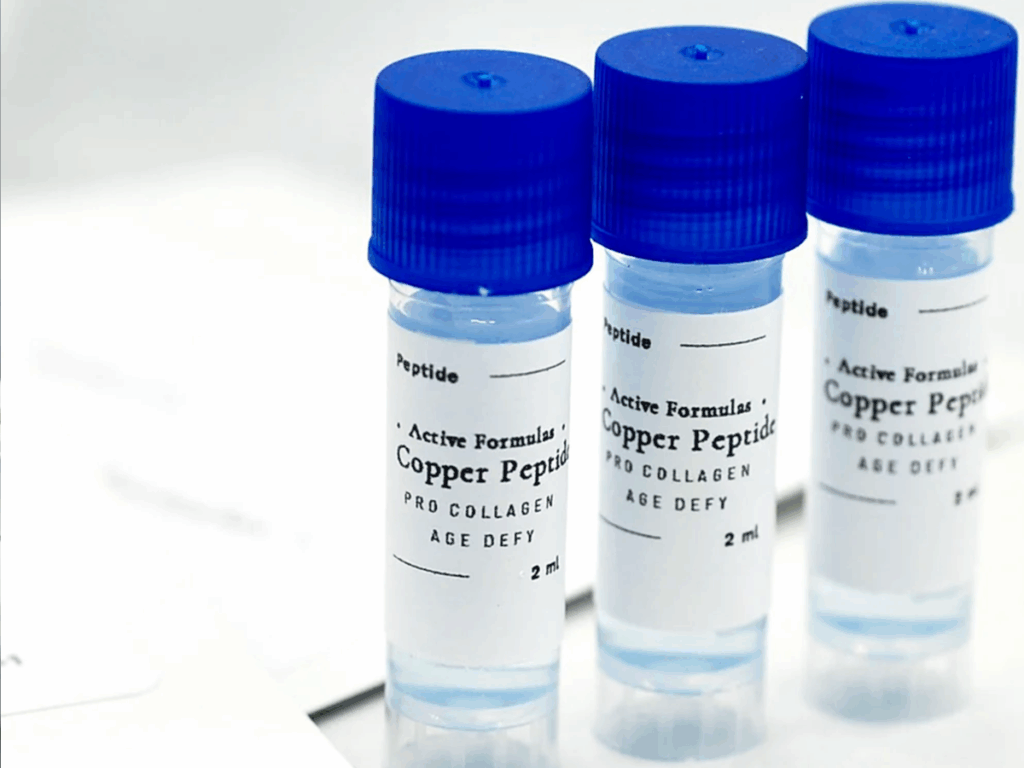
Copper peptides are popular for firming and repair, and pure vitamin C is a key brightener, so brands often want them in one routine or even one serum. The issue is that copper peptides need a calm setting, while L-ascorbic acid is very active and can disturb that setting. If you mix them, you may lose the value of both ingredients and still pay for premium raw materials. at is not the kind of trade-off you want in a launch plan.
Let’s look at why these two do not belong in the same formula or same step.
- Destabilize Copper Peptides: Pure vitamin C is very acidic, and that environment can change copper peptides so they do not perform as planned. For your product story, this can lead to weaker firming support and less clear benefit in long-term use.
- Speeds Up Vitamin C Oxidation: Copper ions can push vitamin C to oxidize faster, which lowers its brightening strength. In your batches, this may show as faster color shift and a shorter window for claim-level performance.
- Increase Skin Reactivity: When both sit on skin together, some users report more tingling or irritation than with either one alone. For a business, that can mean more negative feedback during trials and a higher chance of returns.
4. Niacinamide (High % Serums) + AHAs/BHAs
Niacinamide is a steady, helpful active, and acids like AHAs or BHAs are great for smoothing and clearing pores. The problem usually comes when niacinamide is used at a high level and then layered right with strong acids. That combo can feel rough on skin and may also reduce the payoff you expect from each active. If your brand is selling a high-percent niacinamide serum, this is one pairing to plan carefully.
Here are the reasons why this pairing does not belong in the same formula or same step.
- Trigger Flushing Or Warm Redness: High-percent niacinamide can react with strong acids and cause a quick red, warm feeling on skin. If customers get that reaction, they may stop using the product and link the issue to your brand.
- Reduce Acid Performance: AHAs and BHAs work best in a very acidic range, and high niacinamide can push the mix away from that sweet spot. For your formula, that may mean slower exfoliation results and weaker texture claims.
- Pushes Skin Too Hard At Once: High niacinamide is already active, and adding strong acids in the same step can overload the skin barrier. In business testing, this often shows as more dryness, peeling, and a need to lower strength or split products.
5. Pure Vitamin C (L-Ascorbic Acid) + High-pH Actives Or Bases
Pure vitamin C is a high-value brightener, but it is also one of the most sensitive actives you can work with. It likes a very acidic environment, and it loses strength fast when the base drifts upward. When brands try to place L-ascorbic acid into formulas built around higher pH actives, they often end up fighting stability the whole way. For your business, that can mean more reformulation time and a bigger risk of weak shelf results.
Below is what makes this pairing a bad move in the same formula or same step.
- Loses Potency At Higher pH: L-ascorbic acid breaks down much faster once pH rises above its comfort zone. If your base is set for high-pH actives, your vitamin C may fade before the customer finishes the bottle.
- Pushes Faster Yellowing Or Browning: High pH speeds oxidation, so the formula can shift color early in shelf life. That kind of change makes your product look old or unstable in retail checks.
- Forces Extra Stabilizers And Cost: To keep L-ascorbic acid alive in a higher-pH system, you may need heavy stabilizer stacks or special packaging. This raises cost and still may not give you the performance you planned.
At TY Cosmetic, we work with skincare brands that want strong vitamin C results without stability headaches. Our team reviews your base pH, active stack, and packaging plan to see if L-ascorbic acid can stay effective through shelf life. If the system is too high in pH, we help you adjust the formula path or choose a vitamin C form that fits your product goal better.
If you want help planning a vitamin C product that stays stable in real market conditions, reach out to our team and we will map the best route with you.
6. Peptides (Non-Copper Types) + Very Low-pH AHA Formulas
Non-copper peptides are popular for repair and firming, and many brands want to add them to strong AHA products for a “multi-action” story. The problem is that very low-pH AHA systems are harsh on peptide structures. In real formulas, peptides can weaken or change before they ever reach skin. That leaves you paying for an active that can’t deliver its role.
Let’s look at why these two do not belong in the same formula or same step.
- Break Peptide Bonds: Very low-pH AHA bases can damage peptide bonds, which means your peptides may not stay intact through shelf life. If you are selling a firming or repair claim, this pairing can leave you with a label promise that the formula cannot fully support.
- Create Formula Drift: Peptides under strong acid stress may shift the product’s texture, smell, or clarity over time, even if day-one results look fine. For your production plan, that drift raises the risk of failed aging tests and extra rounds of adjustment before scale-up.
- Blurs Product Positioning: Strong AHA products already focus on exfoliation, and peptides in that same low-pH space often bring little real payoff. For your line, splitting exfoliation and peptide repair into separate steps keeps each benefit strong and easier to prove.
7. Azelaic Acid + Strong Acids
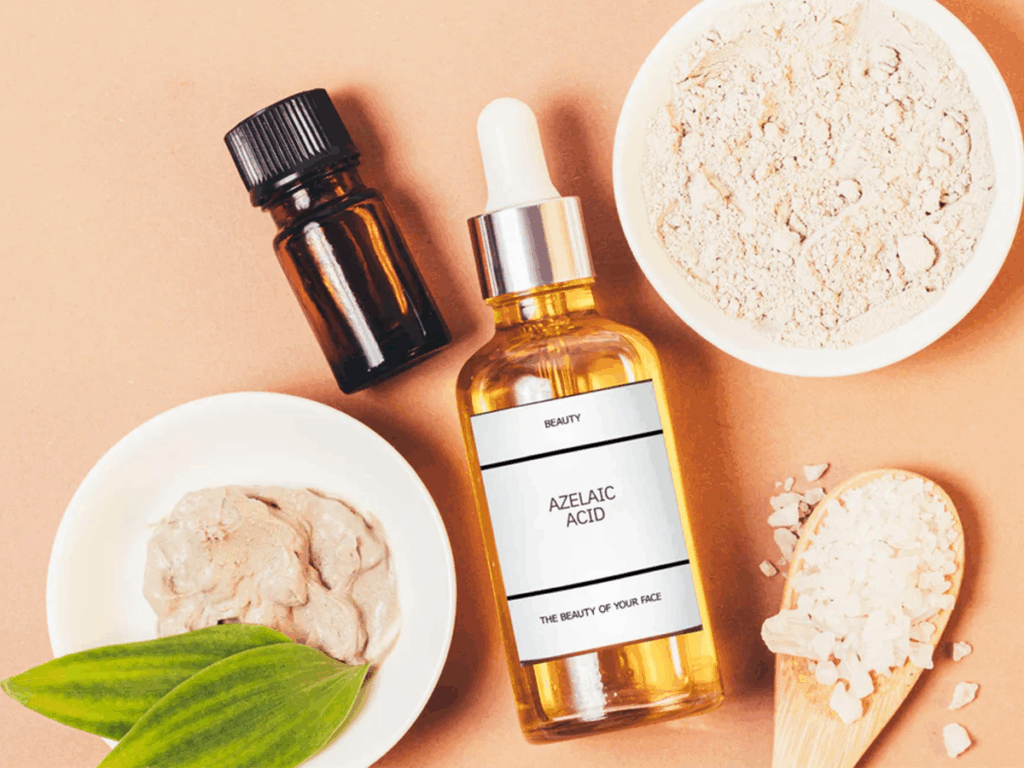
Azelaic acid is a steady, all-rounder active for tone and texture, so brands often want to boost it with stronger acids like glycolic or salicylic. The issue is that azelaic acid already works on the skin’s surface turnover, so pairing it with strong acids can push exfoliation too far. This shows up quickly in user feedback, even when each ingredient looks fine alone.
These are the key reasons to keep them apart in the same formula or same step.
- Over-Exfoliate Skin: Azelaic acid plus a strong acid doubles the peeling and renewal effect, which can move from “effective” to “too much” fast. In your testing panels, this often appears as stinging or flaking that makes the product harder to position as daily-use.
- Raises Barrier Stress: Strong acids already press the skin barrier, and azelaic acid layered in the same step can add more dryness or tightness. If your customers expect a comfort-first product, this pairing can increase negative feedback and reduce repeat orders.
- Tolerance Harder To Predict: Different skin types handle this combo very differently, so your trial results may swing more than you want. For your business, that unpredictability makes it harder to lock a stable formula brief and a stable claim story.
8. Benzoyl Peroxide + Sulfur
Benzoyl peroxide and sulfur are both well-known acne tools, so teams sometimes try to combine them for a stronger result. The catch is that both are drying and both speed surface turnover, so the skin can get overwhelmed. You may also see side effects that are harder to manage in real-world use. For business brands, this pairing can create more complaints than wins.
Here’s what makes this combo a poor fit in the same formula or same step.
- Too Much Dryness: Both ingredients reduce oil and increase shedding, so using them together often pushes skin into heavy dryness. In your user trials, that usually shows as tightness, flaking, or fast drop-off in use, which hurts your product’s long-term satisfaction scores.
- Trigger Discoloration Or Uneven Look: Some users report temporary darkening or uneven tone when sulfur and benzoyl peroxide are layered in the same step. Even if the effect is short-lived, it can create alarms, raise support tickets, and damage trust in your acne line.
- Reduce The Sulfur Payoff: Benzoyl peroxide can interfere with how sulfur performs in a shared base, so the combo may not give you the “double benefit” you pictured. For your cost sheet, that means you are paying for two acne actives while getting a smaller lift than expected.
9. 3 Factors To Consider When Choosing Top Skincare Ingredients You Shouldn’t Mix
Before you lock in any active pairing, it helps to step back and look at the bigger formula picture. We see brands move faster when they screen ingredient conflicts early, not after sampling. The goal here is simple: help you choose activities that work well together and support the product story you want to bring to market.
#1 Check pH Compatibility First
Most active skincare ingredients perform best in a certain pH range, and that range decides whether they stay stable or lose strength. If you mix two actives that need very different pH levels, one of them will usually suffer, even if the ingredient list looks impressive.
At TY Cosmetic, we help skincare businesses check pH fit early, before you spend on long sampling rounds. Our chemists look at your active list, base system, and target skin feel, then flag pairings that may drift into storage. We also guide you on whether to adjust pH, split actives into steps, or choose a more stable form of the ingredient. This keeps your formula plan clear and helps you carry your claims through real shelf life.
If you want support mapping pH-safe pairings for your next launch, talk with our team and we will help you build a cleaner plan.
#2 Think About Stability Through Real Shelf Life
A pairing is only valuable if it stays active from production to the last use in the bottle. Some ingredients react slowly, so the conflict may not show up until week two, month two, or after heat exposure in shipping. When you plan your line, think beyond day-one stability and ask how the formula handles light, oxygen, and time.
If a pairing needs heavy stabilizers or special packaging just to survive, that is a sign the actives may be better separated. This approach lowers risk and saves you from costly reformulation later.
#3 Match the Pairing to Your Product Role and Customer Use
Even if two actives can sit together safely, they still need to make sense for how the product will be used by real customers. If the pairing raises irritation risk, users may stop early, and that hurts repeat sales and long-term brand trust. You also want the product role to stay clear: acne care, brightening, barrier support, or texture smoothing.
When a formula tries to do everything in one step, the story gets muddy and performance can feel uneven. A focused pairing is easier for you to market and easier for customers to stay consistent with.
Conclusion
Mixing actives the wrong way can turn a smart formula into a costly setback. In this article, you saw which pairs clash, what they do to stability, and how they can raise irritation in real use.
It all ties back to the brand we mentioned at the start. After their first supplier’s failed batch, they rebuilt the project with safer pairings and got a stable product ready for launch.
You can do the same by screening pH fit, shelf life, and product role before you lock your formula. If you want help planning your next line, contact TY Cosmetic today!