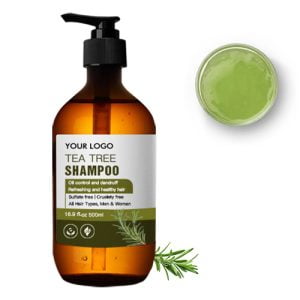
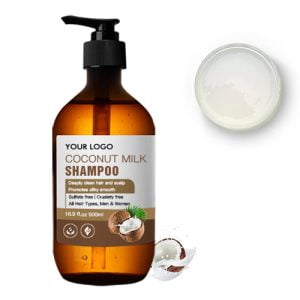
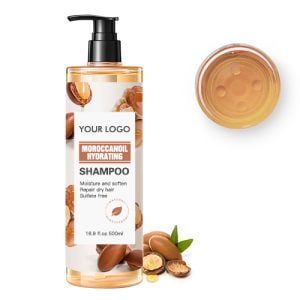
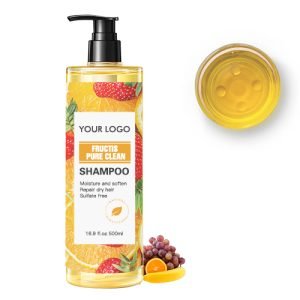
Shampoo Formula
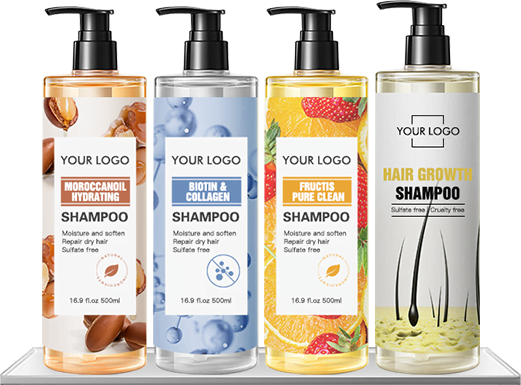
Sulfate Free
Does your hair feel dry or rough after washing? Your shampoo’s cleansing ingredients may be part of the reason.
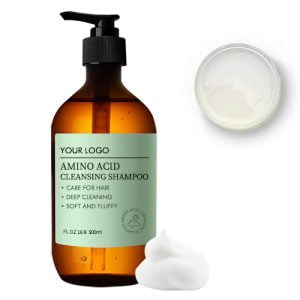
Sulfate-free shampoos avoid surfactants such as sodium lauryl sulfate (SLS) and sodium laureth sulfate (SLES). They often use alternative cleansing ingredients, including amino acid surfactants.
Main benefits:
- Offers a mild cleansing option
- Helps avoid excessive removal of natural oils when properly formulated
- Can suit dry or color-treated hair
- May be useful for sensitive-scalp formulations
Our formula development materials include a laboratory comparison between sulfate and amino acid surfactant systems.
The tested sulfate group showed approximately 70% cell survival, while the amino acid surfactant group showed more than 95%.
This suggests the tested amino acid system was milder under those laboratory conditions.
However, sulfate-free doesn’t automatically mean irritation-free. The complete formula still matters.
Coconut
Coconut-based shampoos are popular among people with dry, rough, or frizzy hair.
Coconut oil contains fatty acids that can help condition hair and improve its feel. Coconut milk is also used in moisturizing shampoo concepts.
Main benefits:
- Helps improve hair softness
- Supports easier detangling
- Reduces the appearance of frizz
- Makes dry hair feel more manageable
Coconut shampoo may be a good choice for customers who frequently use heat-styling tools.
However, the amount and type of coconut ingredients matter. A lightweight formula may work better for fine hair, while a richer formula may suit coarse or dry hair.
Aloe Vera
Aloe vera is commonly used in moisturizing shampoo formulas.
It contains water and various naturally occurring compounds, making it a popular ingredient in products designed for dry hair and scalp care.
Main benefits:
- Supports scalp hydration
- Helps improve hair softness
- Provides conditioning benefits
- Can be included in gentle-cleansing formulas
Aloe vera also contains naturally occurring vitamins, including A, C, and E.
However, the presence of these vitamins doesn’t mean an aloe vera shampoo will strengthen hair follicles or treat scalp inflammation.
Best for: Customers looking for a mild, moisturizing shampoo.
Salicylic Acid
Does your scalp become oily quickly or develop noticeable buildup?
Salicylic acid is an exfoliating ingredient that helps remove dead skin cells and loosen scalp buildup.
It is often used in products developed for oily or flaky scalps.
Main benefits:
- Helps remove excess buildup
- Supports scalp exfoliation
- Improves the feeling of cleanliness
- Can help hair feel lighter after washing
Our Salicylic Acid Shampoo received positive internal feedback from users with oily hair.
They reported fine lather, easy rinsing, a fresh scent, and improved hair volume.
However, salicylic acid concentration matters. Stronger formulas aren’t necessarily better, especially for sensitive or dry scalps.
For products making dandruff-treatment claims, additional regulatory requirements may apply.
Ginger
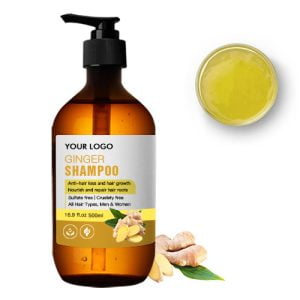
Ginger is a familiar botanical ingredient used in herbal shampoo formulas.
It contains naturally occurring compounds such as gingerols and other antioxidants.
Main benefits:
- Supports botanical shampoo positioning
- Adds a recognizable herbal ingredient
- Can be combined with moisturizing and conditioning ingredients
- Works well in refreshing scalp care concepts
Ginger shampoo may appeal to customers who prefer plant-focused hair care products.
Some brands also promote ginger for scalp health and hair growth. However, adding ginger extract to shampoo doesn’t prove that the finished product stimulates hair growth.
Specific hair-growth claims need suitable product evidence.
Shampoo For Different Hair Types
Oily Hair
Oily hair often looks flat because of excess sebum and product buildup.
The right shampoo should remove excess oil without leaving the scalp uncomfortable.
What to look for:
- Effective but balanced cleansing ingredients
- Salicylic acid for buildup control
- Charcoal-based cleansing formulas
- Lightweight conditioning ingredients
Tea tree oil, lemon-derived ingredients, and apple cider vinegar are also found in scalp-cleansing products, although their benefits depend on how they’re formulated.
Avoid applying concentrated essential oils, lemon juice, or vinegar directly to your scalp.
Our Binchotan Charcoal Volumizing Shampoo received positive feedback during internal trials. Some users reported that their hair remained visibly voluminous into the second day.
Tip: If your hair becomes oily quickly, apply shampoo mainly to the scalp instead of washing the entire hair length aggressively.
Curly Hair
Curly hair often needs additional moisture because natural oils may not spread evenly along the hair strands.
It can also be more prone to tangling and frizz.
Choose shampoos that offer:
- Gentle cleansing
- Moisturizing ingredients
- Lightweight conditioning support
- Improved detangling and manageability
A sulfate-free formula may be worth trying, especially if your current shampoo leaves your curls feeling dry.
For additional conditioning, pair shampoo with a moisturizing conditioner or curl-repair mask.
Our Curl Setting & Repair Hair Mask development formula includes argan oil and hydrolyzed proteins from keratin, wheat, soy, and corn.
These ingredients support softness, conditioning, and curl definition.
Tip: Detangle gently with your fingers or a wide-tooth comb while using a conditioner with enough slip. This can help reduce unnecessary pulling and breakage.
Dry Scalp
A dry scalp may feel tight, itchy, or uncomfortable.
Sometimes the problem comes from harsh cleansing, dry weather, or unsuitable hair products.
Look for ingredients such as:
- Aloe vera
- Glycerin
- Hyaluronic acid
- Coconut oil
- Jojoba oil
- Almond oil
Oils can provide conditioning, but the overall formula determines whether a product hydrates the scalp effectively.
Our Hyaluronic Acid Moisturizing Foam Shampoo has supporting skin moisture test data.
The reported moisture increases were:
- 52.62% after 3 hours
- 46.53% after 6 hours
These results relate to skin hydration under specific testing conditions.
Tip: If itching, flaking, or redness continues despite changing shampoo, the cause may not be simple dryness. Persistent symptoms should be assessed by a healthcare professional.
Fine Hair
Fine hair can become flat when shampoo leaves too much residue.
That’s why lightweight cleansing and conditioning are important.
What to look for:
- Volumizing formulas
- Lightweight ingredients
- Easy-rinsing cleansing systems
- Products that don’t leave heavy buildup
Aloe vera, selected botanical extracts, and suitable conditioning ingredients may be included in fine-hair formulas.
Our Amino Acid Ganoderma Shampoo was evaluated in laboratory testing.
The results showed:
- 7.11% increase in hair tensile strength
- 98.34% increase in hair fluffiness work output
These findings support further evaluation of strengthening and volumizing shampoo concepts.
Tip: Use conditioner mainly on the mid-lengths and ends if your roots become flat easily.
Damaged Hair
Frequent bleaching, coloring, straightening, and heat styling can weaken hair.
Damaged hair often feels rough, tangles easily, and breaks more often.
Look for shampoos containing:
- Hydrolyzed keratin
- Protein-based conditioning ingredients
- Glycerin
- Suitable plant oils
- Mild cleansing systems
Our Protein Repair & Smoothing Shampoo is one example.
In the available consumer feedback, 100% of surveyed users agreed that their hair felt smoother after washing.
Protein-based ingredients can improve the feel and manageability of damaged hair. However, shampoo cannot permanently restore hair to its original undamaged condition.
Tip: Pair a conditioning shampoo with a suitable hair mask, and reduce unnecessary heat styling.
Sensitive Scalp
A sensitive scalp may react to fragrances, certain surfactants, preservatives, or other formula ingredients.
The best approach is to choose a shampoo with a carefully developed cleansing system.
Look for:
- Mild surfactants
- Simple ingredient combinations
- Fragrance-free options when needed
- Appropriate safety testing
- Suitable pH and preservative systems
Amino acid surfactants are one option used in mild-cleansing products.
However, even gentle ingredients can cause reactions in some individuals.
Tip: If you frequently react to hair products, consider testing a small amount as directed and choosing products designed for sensitive skin.
Shampoo Types
Dry Shampoo
Don’t have time to wash your hair?
Dry shampoo can help reduce the appearance of oily roots without using water.
It usually contains absorbent powders or starches that take up some surface oil.
Main benefits:
- Refreshes hair between washes
- Reduces the appearance of greasy roots
- Adds temporary volume
- Helps maintain hairstyles between wash days
It’s especially convenient after commuting, traveling, or exercising.
However, dry shampoo doesn’t remove dirt, sweat, and scalp buildup in the same way as regular washing.
Tip: Apply a small amount near the roots, allow it to absorb oil, and brush or work through the hair as directed.
Avoid relying on dry shampoo as a permanent replacement for washing.
Volumizing Shampoo
Flat hair can be frustrating, especially when it loses volume shortly after washing.
Volumizing shampoos are designed to leave hair feeling lighter and looking fuller.
Common ingredients include:
- Hydrolyzed wheat protein
- Panthenol
- Keratin-based conditioning ingredients
- Lightweight surfactants and conditioners
These ingredients may help improve hair feel, reduce unnecessary buildup, or support a fuller appearance.
Our Amino Acid Ganoderma Shampoo provides an example of volumizing formula testing.
Using a Dia-stron MTT 175 instrument, the reported results were:
Measurement | Blank Group | Experimental Group |
Hair Tensile Strength | 1.97 ± 0.15 gmF/μm | 2.11 ± 0.14 gmF/μm |
Hair Fluffiness Work Output | 10.83 ± 1.23 mJ | 21.48 ± 4.85 mJ |
The reported improvements were statistically significant at P<0.05.
Best for: Fine hair, flat roots, and customers wanting more visible body.
Hard Water Shampoo
Hard water contains higher amounts of dissolved minerals, especially calcium and magnesium.
Over time, mineral deposits can contribute to hair feeling rough or difficult to manage.
Hard water shampoos use cleansing ingredients and may include chelating agents that help bind metal ions.
Main benefits:
- Helps remove mineral-related residue
- Reduces the feeling of buildup
- Improves hair manageability
- Supports more effective cleansing in hard-water conditions
Chelating ingredients can include EDTA salts or other suitable agents.
How often should you use one?
It depends on the formula, your water conditions, and how your hair responds.
Some people benefit from periodic clarifying washes rather than using a strong clarifying product every day.
Hard water can make it difficult to keep the hair looking and feeling its best. Hard water shampoos from TY Cosmetic are specially formulated to combat the effects of hard water by using ingredients like chelating agents that bind with metals in the scalp and strip away excess residue.
Shampoo Manufacturing Process
Step #1 Compounding
Shampoo production begins with a formula containing the required ingredients.
A typical shampoo base may include:
- Water
- Surfactants
- Preservatives
- Conditioning ingredients
- Viscosity modifiers
- Fragrance
- Colorants, when required
- Other functional ingredients
Each ingredient has a specific purpose.
Surfactants provide cleansing, preservatives help control microbial contamination, and viscosity modifiers help achieve the desired texture.
The ingredients must also be compatible with one another.
Why does this matter?
An attractive ingredient list won’t help if the formula separates, becomes unstable, or changes texture during storage.
Step #2 Manufacturing
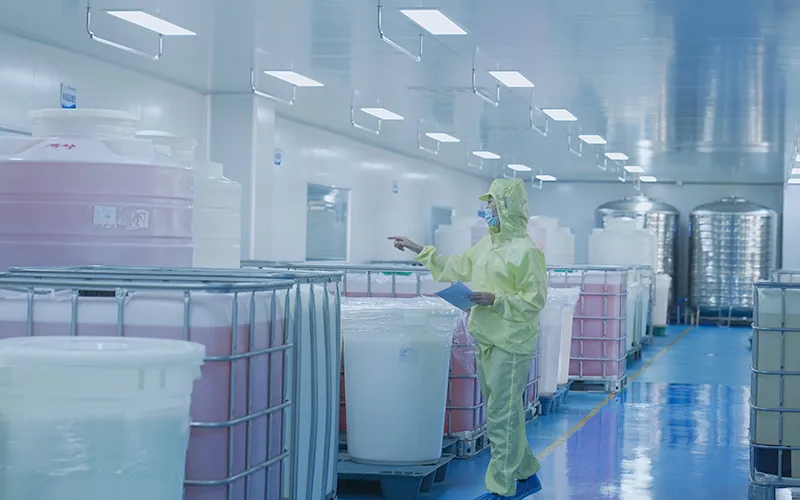
Once the formula is approved, ingredients are combined under controlled manufacturing conditions.
The process may involve:
- Preparing the water phase
- Adding surfactants and other ingredients in the required order
- Mixing until the batch reaches suitable uniformity
- Adjusting viscosity and pH
- Incorporating fragrance or other ingredients as specified
- Checking the semi-finished product
Depending on the formula, manufacturers may use controlled agitation or suitable homogenization equipment.
The goal is to achieve consistent appearance, texture, and performance throughout the batch.
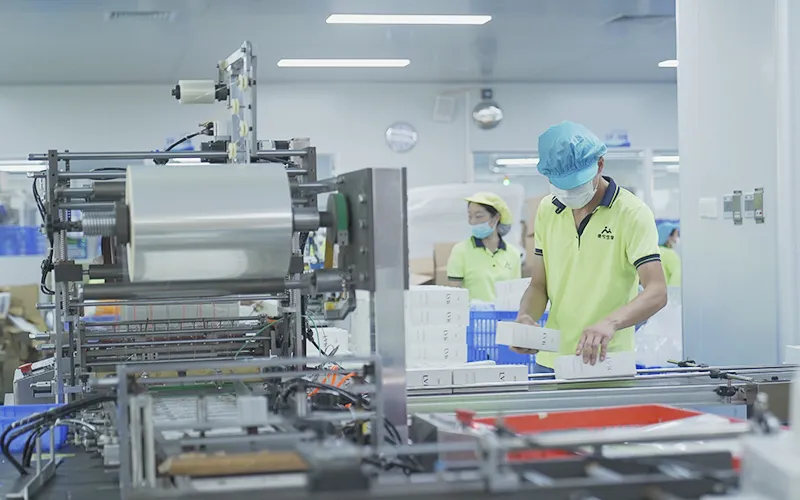
Our manufacturing process includes controlled mixing and semi-finished product inspection before filling.
Step #3 Filling
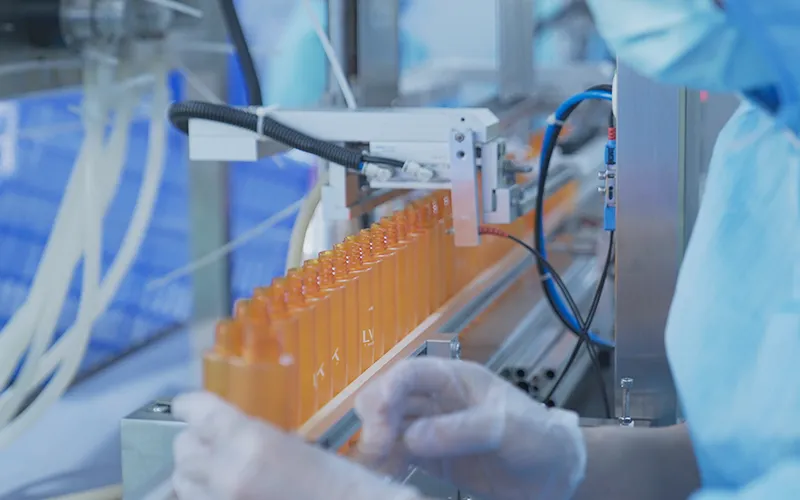
Once the shampoo passes the required checks, it moves to filling.
The main activities include:
- Preparing approved bottles and closures
- Filling each bottle with the required quantity
- Applying caps or pumps
- Sealing where necessary
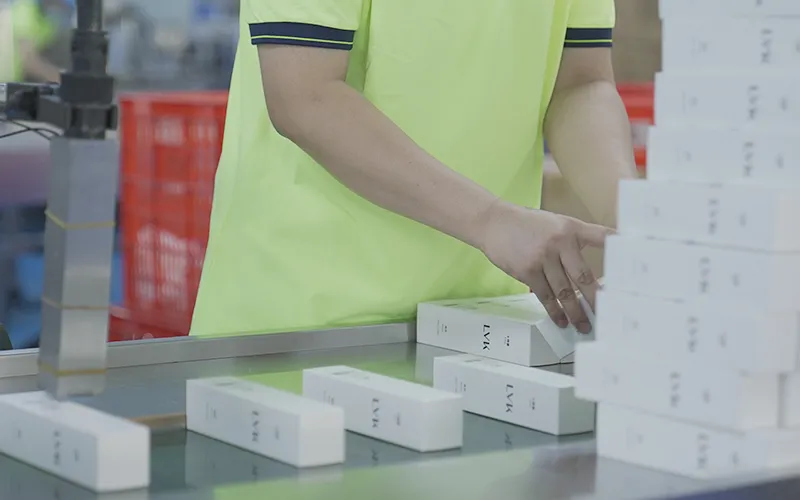
- Adding product labels
- Printing batch identification codes
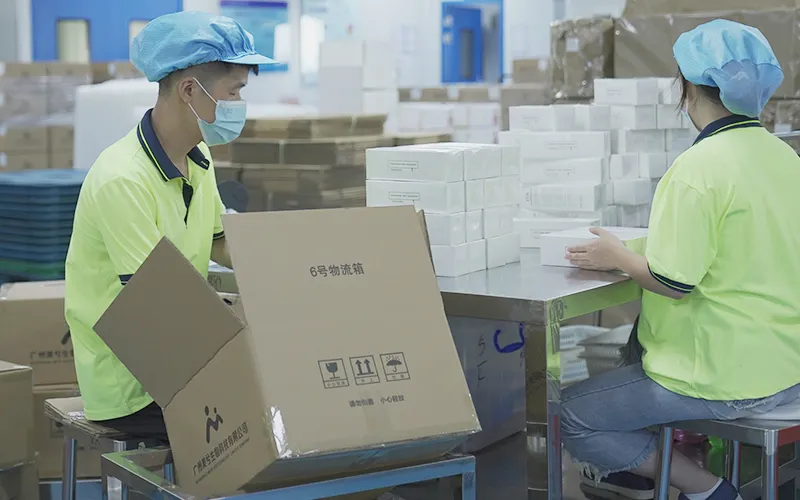
- Packing finished bottles into cartons
Packaging should be compatible with the formula.
For example, a thick shampoo may need a different dispensing system from a lightweight liquid shampoo.
Bottles and closures should also be checked for leakage and transportation suitability.
Step #4 Quality Control
Quality control isn’t something that happens only at the end.
It should be included throughout production.
Common shampoo quality checks include:
Test | Purpose |
Appearance | Checks color, clarity, and visible uniformity |
pH | Confirms the formula meets its specifications |
Viscosity | Checks thickness and consistency |
Odor | Detects unexpected fragrance changes |
Microbial Testing | Evaluates microbiological quality |
Stability Testing | Assesses changes during storage |
Packaging Inspection | Checks filling, sealing, and labeling |
Batch Records | Supports traceability |
Our supporting materials also include third-party testing for selected shampoo and hair care products.
For example, Baby Gentle Care Shampoo has reported microbial safety testing covering bacterial counts, mold and yeast, and specified microorganisms.
Selected baby and child care products also have heavy metal and irritation test data.
These results apply to the tested products rather than every formula manufactured.
How To Make Your Own Shampoo Brand
Step 1: Define Your Shampoo's Purpose
Start with your target customer.
Ask yourself:
- Who will use this shampoo?
- What hair problem does it address?
- What makes it different?
- Where will it be sold?
- What price range do you want to target?
For example, a shampoo targeting oily hair may need a lightweight cleansing formula.
A shampoo for damaged hair may focus on conditioning and manageability.
My advice: Start with one clear product benefit instead of trying to address every hair concern at once.
Step 2: Choose Ingredients and Formulation
Once you know your product’s purpose, select the ingredients that support it.
A shampoo formula commonly includes:
Ingredient Category | Function | Examples |
Water Base | Main formula carrier | Purified water |
Surfactants | Cleansing | SLS, SLES, amino acid surfactants |
Humectants | Moisture support | Glycerin |
Conditioning Agents | Improve hair feel | Suitable polymers and oils |
Functional Ingredients | Targeted product positioning | Salicylic acid, proteins, botanical extracts |
Preservatives | Microbial protection | Formula-appropriate preservative systems |
Fragrance | Product scent | Suitable perfume compositions |
Castor oil, essential oils, and other botanical materials may also be included when appropriate.
However, ingredients shouldn’t be added without checking their compatibility and safety.
For commercial products, formulation should be handled through a controlled development process rather than informal kitchen mixing.
Step 3: Develop and Test Prototypes
Before producing thousands of bottles, start with samples.
Manufacturers may prepare several prototypes with different ingredient levels, fragrances, or textures.
What should you test?
- Cleansing performance
- Lather
- Fragrance
- Viscosity
- Rinsing
- Softness after drying
- Product stability
- Packaging compatibility
Keep records of each sample and its formulation.
A small user trial can also help identify practical issues.
For example, internal users of our Salicylic Acid Shampoo reported that it rinsed easily and left hair feeling fresh.
Feedback like this helps guide further development.
Once you’ve gathered all your supplies, it’s time to start creating prototypes of the shampoo. Start by mixing small batches in a bowl and make sure that each batch is labeled with the ingredients you used. This will help you find out which combination of ingredients works best for your hair type.
Step 4: Optimize Your Formula
Your first shampoo sample may not be the final version.
You might need to adjust the viscosity, fragrance strength, cleansing system, or conditioning ingredients.
Common reasons for formula adjustments include:
- The shampoo feels too thick or watery
- Lather is insufficient
- The fragrance changes during storage
- Hair feels too dry after washing
- The product leaves unwanted residue
- Stability tests reveal formula problems
Once the formula meets the required specifications, it should be documented and approved for production.
For commercial manufacturing, adjustments also need to consider ingredient safety and regulatory requirements.
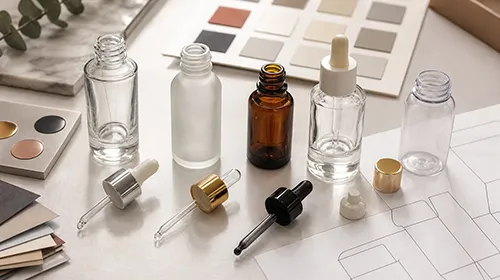
Step 5: Select Your Packaging
Packaging affects both product appearance and everyday use.
You can choose from different bottle sizes, shapes, colors, and dispensing options.
Before finalizing the design, check:
- Bottle compatibility
- Cap or pump performance
- Label space
- Shipping durability
- Packaging costs
- Minimum order requirements
Also, make sure the label includes the information required in your target market.
Our packaging support includes bottle sourcing, design coordination, printing, and multilingual labeling.
Step 6: Build Your Brand Identity
Once the product and packaging are ready, focus on how customers will recognize your shampoo.
Your brand identity should include:
- Brand name
- Logo
- Packaging colors
- Product benefits
- Target audience
- Brand message
- Consistent label design
A moisturizing shampoo aimed at customers with dry hair may use a different visual style from a refreshing shampoo for oily scalps.
Keep the message simple.
Customers should understand what your shampoo is for without having to read a long explanation.
Before launching, also confirm your MOQ, production lead time, sample costs, payment terms, quality requirements, and shipping arrangements.
Considerations When Buying Shampoo
Hair Type
Hair type should be your first consideration.
A shampoo for oily hair may not provide enough conditioning for dry or damaged hair.
Here’s a quick guide.
Hair Type | Recommended Shampoo Direction |
Oily | Balanced cleansing and oil-control ingredients |
Dry | Moisturizing and conditioning formulas |
Fine | Lightweight volumizing formulas |
Curly | Mild cleansing with conditioning support |
Damaged | Protein-based conditioning ingredients |
Color-Treated | Gentle cleansing and color-care formulas |
Tip: Pay attention to how your hair feels after several washes, not just after the first use.
Ingredients
The ingredient list can tell you a lot about a shampoo.
Look for ingredients that match the product’s intended benefits.
For example:
- Glycerin: Supports hydration
- Hydrolyzed keratin: Improves conditioning and manageability
- Salicylic acid: Helps with scalp buildup
- Amino acid surfactants: Provide alternative cleansing systems
- Plant oils: Support conditioning and softness
- Chelating agents: Help manage mineral-related residue
Avoid choosing shampoo based only on one featured ingredient.
The ingredient concentration and overall formula are just as important.
Scalp Sensitivity
Does your scalp become itchy or uncomfortable after washing?
Some people react to fragrances, certain preservatives, surfactants, or other ingredients.
If you have a sensitive scalp, consider:
- Mild cleansing formulas
- Fragrance-free products
- Carefully selected preservatives
- Products with appropriate safety testing
- Avoiding ingredients that have previously caused a reaction
Remember that natural ingredients can also cause irritation.
A product described as herbal or organic isn’t automatically gentler.
If symptoms are persistent or severe, seek professional advice rather than repeatedly trying stronger cleansing products.
Environmental Factors
Your environment can affect how your hair behaves.
Two important factors are climate and water quality.
Humid Climate
High humidity may make frizz more noticeable.
People with fine or oily hair may also prefer lightweight products that don’t leave heavy residue.
Dry Climate
Low humidity can contribute to dry-feeling hair and scalp.
Moisturizing shampoos and suitable conditioners may help improve comfort.
Hard Water
Hard water contains dissolved minerals that can leave deposits on hair.
A shampoo containing suitable chelating agents may help remove residue.
Frequent Swimming
Swimming can expose hair to chlorine and other pool chemicals.
A suitable cleansing shampoo and conditioner may help remove residue and improve manageability.