













A few months ago, a spa brand asked us to make two massage oil samples for a side-by-side test. We used the same fragrance, but one sample absorbed fast and felt light, while the other stayed greasy and slowed the massage.
That simple trial showed the brand that the carrier oil choice changes the whole experience.
At TY Cosmetic, we make massage oils for business clients every day, from small test runs to bulk orders. Our formulas are built in-house, tested for feel and shelf life, and produced in GMPC-standard clean rooms across our production bases.
In this article, you will learn the main massage oil types, their benefits, and the best uses for each one. You will also see our top picks for different business goals, so you can match an oil to your market without guesswork.
If your goal is a product that feels right and sells well, the oil type is where you start.
So, let’s get started!
Quick Summary
Here’s a quick side-by-side look at the eight carrier oils we just covered. It gives you a fast glimpse before we go deeper in the next sections.
| Massage Oil Type | Texture / Absorption | Main Benefits For Your Line | Best Use Case For Your Buyers | Main Drawback To Note |
| Sweet Almond Oil | Medium-light, steady absorb | Smooth glide, soft finish | Spa core, all-round use | Not ultra-light, slower dry |
| Grapeseed Oil | Very light, fast absorb | Clean feel, low residue | Sports, hot climate, fast use | Too thin for deep work |
| Jojoba Oil | Balanced, skin-like absorb | Premium feel, long slip | Premium spa, face use | Higher cost base |
| Fractionated Coconut Oil | Silky, stable, moderate | Clear look, shelf stable | Pumps, light-scent, bulk | Can feel too slick |
| Sunflower Oil | Mild, balanced absorb | Broad fit, cost steady | General wellness, value spa | Feels basic for luxury |
| Safflower Oil | Light, quick finish | Airy glide, neat feel | Express, daily, summer lines | Too light for long spa |
| Shea Oil | Rich, slow absorb | Cushioned, nourishing feel | Dry-skin, winter, luxury | Heavy for light users |
| Avocado Oil | Thick, slow absorb | Treatment feel, strong control | Therapeutic, premium heroes | Slow dry-down, heavy feel |
Let’s go forward now and review each massage oil type in depth.
1. Sweet Almond Oil
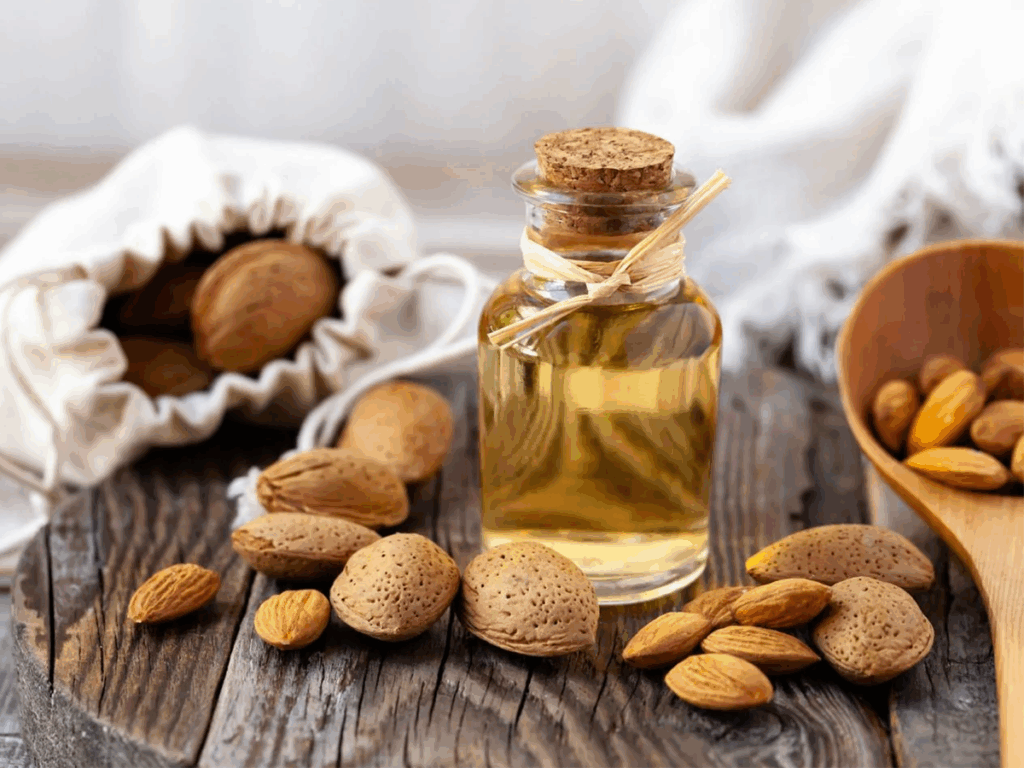
Sweet Almond Oil is a common carrier oil used in many massage products. You get a light-to-medium texture that gives steady glide during treatment and a soft feel after. If you are building a massage oil line, this base helps you cover many use cases without changing the formula too much. It is also easy for you to blend, scale, and position across spa, clinic, and retail channels.
Benefits
- Smooth Glide For Long Sessions: This oil gives your formula a reliable slip, so therapists can work through full-body services without constant reapply. You can market it as a “workhorse” base that supports many massage styles.
- Comfortable For Skin: Sweet Almond Oil feels soft and light, so your buyers can use it across many client skin types without a heavy finish. That helps you cut down on feedback about greasy residue.
- Stable Scent Carrier: It mixes evenly with essential oils and fragrance, which helps your scent stay consistent from first pump to last. This makes batch-to-batch aroma control simpler for your brand.
Best Use Case
- Spa And Clinic Massage Oils: If you sell to pro therapists, this base supports slow, controlled techniques and longer services. Your clients can keep one core oil for many menu treatments.
- Core Retail Massage Oils: For wellness shops or online brand lines, Sweet Almond Oil is a familiar choice that feels easy for users to accept. You can place it as a main option in your everyday range.
- Balanced Texture Blends: You can blend it with lighter oils like Grapeseed to speed up absorption, or richer oils to add more cushion. This lets you build a small product set with clear texture differences.
Takeaway
Sweet Almond Oil is best for brands that want a flexible, all-around carrier with steady glide and a soft finish for wide market use. But if your buyers want a very fast-dry or ultra-light feel, this oil may feel a bit too classic and moderate for that goal.
At TY Cosmetic, we can use Sweet Almond Oil as the base for your massage oil range or blend it with other carriers to fine-tune the feel. We can adjust glide, absorption, and finish to match your buyers’ service style and market needs. From small pilot samples to bulk production, we help you keep the same texture and scent performance across repeat orders. This supports a stable core SKU that works for and retail channels.
If you want a Sweet Almond Oil sample matched to your target setting and price tier, share your plan and TY Cosmetic team can help you.
2. Grapeseed Oil
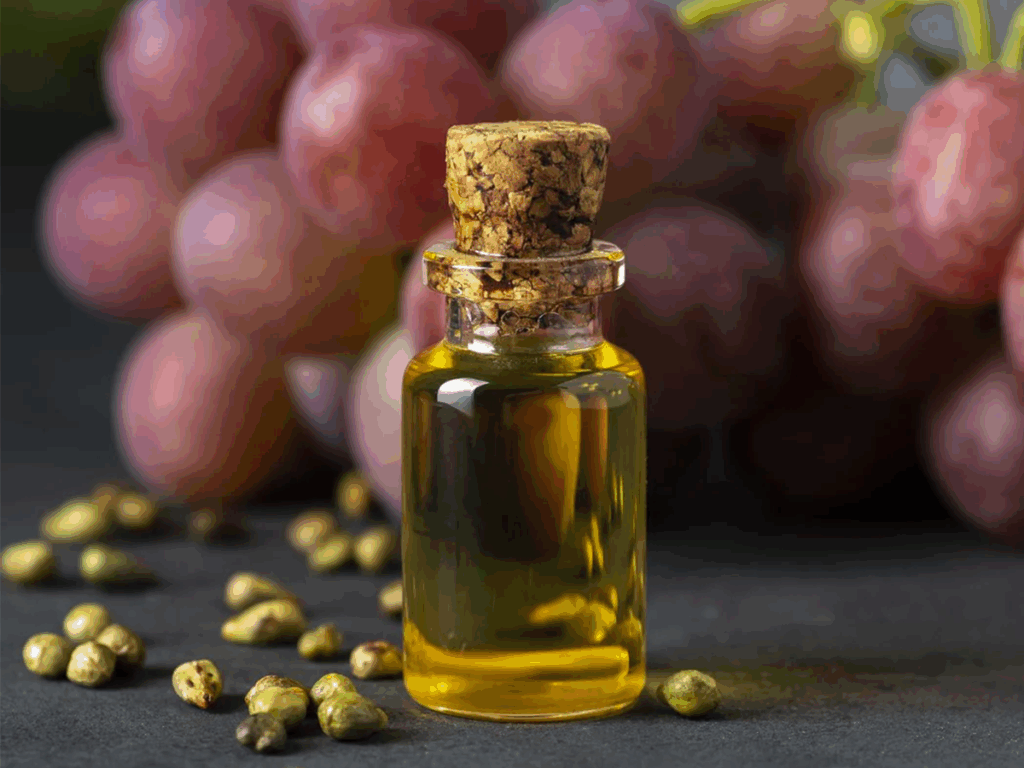
Grapeseed Oil is a light carrier oil pressed from grape seeds, and it is known for a clean, quick slip. When you build a massage oil with it, your product feels smooth during use but less oily after. Many of your buyers will like that they can finish a service and still feel “fresh” on skin. If your market leans sporty, fast-service, or warm-weather, this base can support that direction.
Benefits
- Fast Absorbing Feel: Grapeseed Oil helps you offer a massage oil that does not stay slick for long, which many modern buyers prefer. This makes your product easier to position for studios and wellness chains that want clients to leave feeling clean.
- Clean And Dry Finish: Your formula can feel smooth during massage, then settle into a lighter finish after. This reduces the risk of complaints about oil marks on uniforms, towels, or bedding.
- Light Texture For Blending: Because it starts thin, you can adjust the final feel by blending with richer carriers without losing glide. That gives you a simple way to build two or three texture levels in one product family.
Best Use Case
- Sports And Recovery Massage Oils: This base supports quick muscle work where clients want comfort without a long oily after-feel. If you sell to gyms or physio clinics, this helps your buyers stay practical and fast between sessions.
- Hot Climate Product Lines: In warm or humid markets, lighter oils often outperform heavy ones in user comfort. Using Grapeseed Oil lets you meet buyers who want daily-use massage oils that feel breathable.
- Lightweight Retail Skus: If you want a core retail item that feels easy for first-time users, this oil keeps the texture friendly and simple. It also suits clean, fresh scent themes that many retail buyers request.
Takeaway
Grapeseed Oil is best for brands that want a light, quick-finish massage oil for active users or warm markets. But if your buyers need a thick cushion for slow, deep massage, this oil may feel too thin.
3. Jojoba Oil
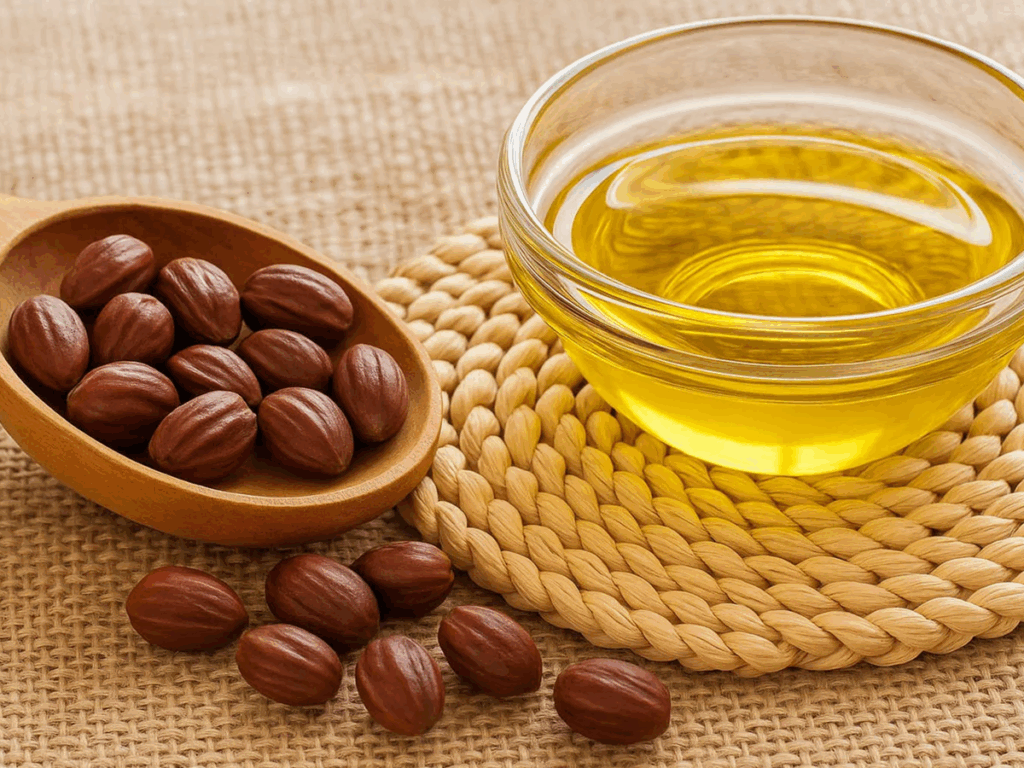
Jojoba Oil is a liquid wax that behaves a lot like natural skin oils. For your formula, that means you get smooth glide without a greasy after-feel. Many massage business buyers pick it because it feels steady and gentle across different client needs. If you want a premium base that supports a skin-comfort story, jojoba is a strong option.
Benefits
- Skin-Like Comfort: Jojoba Oil feels close to natural skin oils, so your product tends to feel familiar and steady from the start. This helps you serve buyers who want a carrier that fits many client types without a heavy finish.
- Long Lasting Slip: The glide stays consistent through longer treatments, so your spa clients do not need to reapply as often. That can improve service flow for buyers who sell full-body or extended massage sessions.
- Refined Sensory Feel: Jojoba adds a smooth, premium touch that can lift the perceived value of your line. If you want a higher-tier SKU without making scent stronger, this base supports that upgrade.
Best Use Case
- Premium Spa Blends: If your buyers run higher-end spas, jojoba helps the oil feel more polished on skin during use. This supports a product story that justifies premium menu pricing.
- Facial And Neck Massage Oils: The texture is light and controlled, which works well for smaller areas where heavy oils can feel too much. Your buyers can keep one formula for face services and body use.
- Comfort Focus Lines: Jojoba fits brands that want to highlight gentle feel and skin comfort as a main value. It pairs well with calm botanical themes that business buyers often put in sensitive-skin ranges.
Takeaway
Jojoba Oil is actually best pick if you want a liquid wax that acts like natural skin oil. It gives a smooth glide but feels balanced, not greasy for your customer. But if your buyers need a lower-cost carrier for value lines, this oil may not fit your price target.
4. Fractionated Coconut Oil
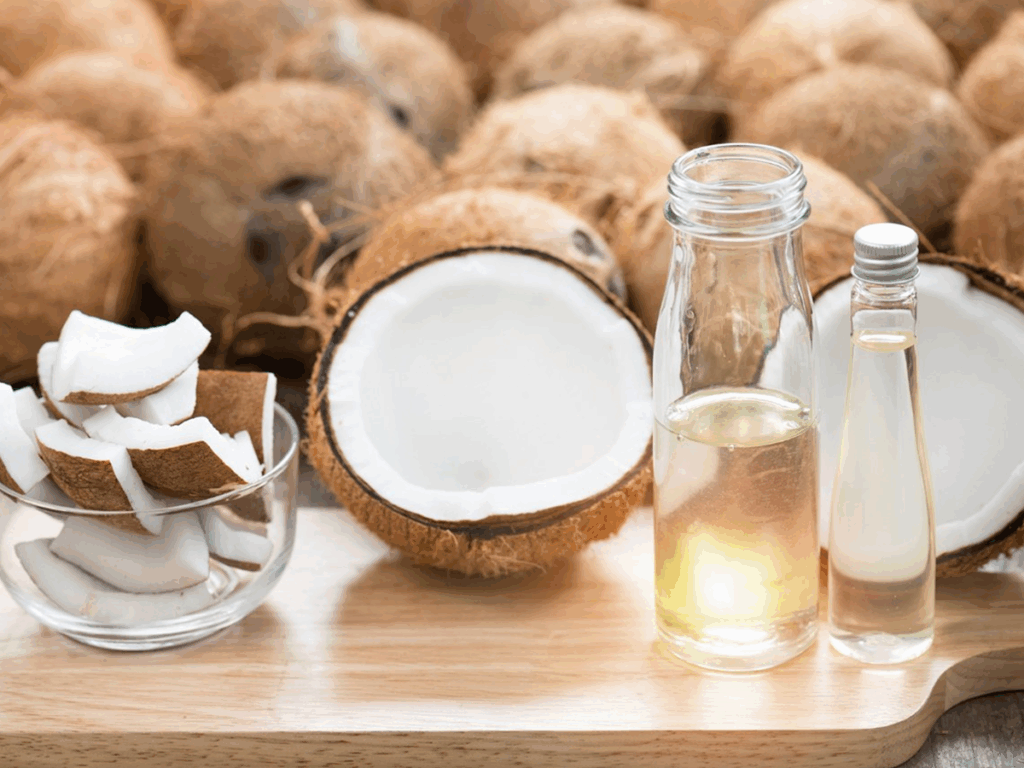
Fractionated Coconut Oil is coconut oil processed to stay liquid and clear all year. In your product, it gives a silky slip and a very even spread during massage. It also keeps a clean, clear look in bottles, which helps your shelf presentation. If you want a stable base that is simple to handle in production, this one is reliable.
Benefits
- Silky, Even Glide: This oil gives your formula a very smooth slip, so your buyers can deliver long strokes without drag. It helps you offer a consistent massage feel across different therapist styles.
- Clear, Clean Appearance: Fractionated Coconut Oil stays clear in bottles, which keeps your product looking neat on shelf. This supports business buyers who want clean visuals for spa back bars or retail displays.
- Good Shelf Stability: The base holds up well over time, which helps your batch quality stay steady in storage. That reduces risk for buyers who ship or stock products for longer cycles.
Best Use Case
- Unscented Or Light Scent Lines: The mild base smell lets your chosen fragrance stay true, which makes scent control easier at scale. This is useful if your buyers want subtle aroma or neutral massage oils.
- Pump And Roller Packaging: The oil stays liquid in normal conditions, so packaging systems run smoother with fewer flow issues. That helps you sell to buyers who prefer pumps, droppers, or roll-ons for treatment rooms.
- High-Volume Core Skus: Because the texture is predictable, it is easier for you to keep the same feel from pilot to bulk. This supports brands that want a stable hero product they can reorder year-round.
Takeaway
Fractionated Coconut Oil is best for brands that want a silky, clear base that stays stable and scales easily. But if your buyers prefer more grip for strong pressure massage, this oil can feel too slick.
5. Sunflower Oil
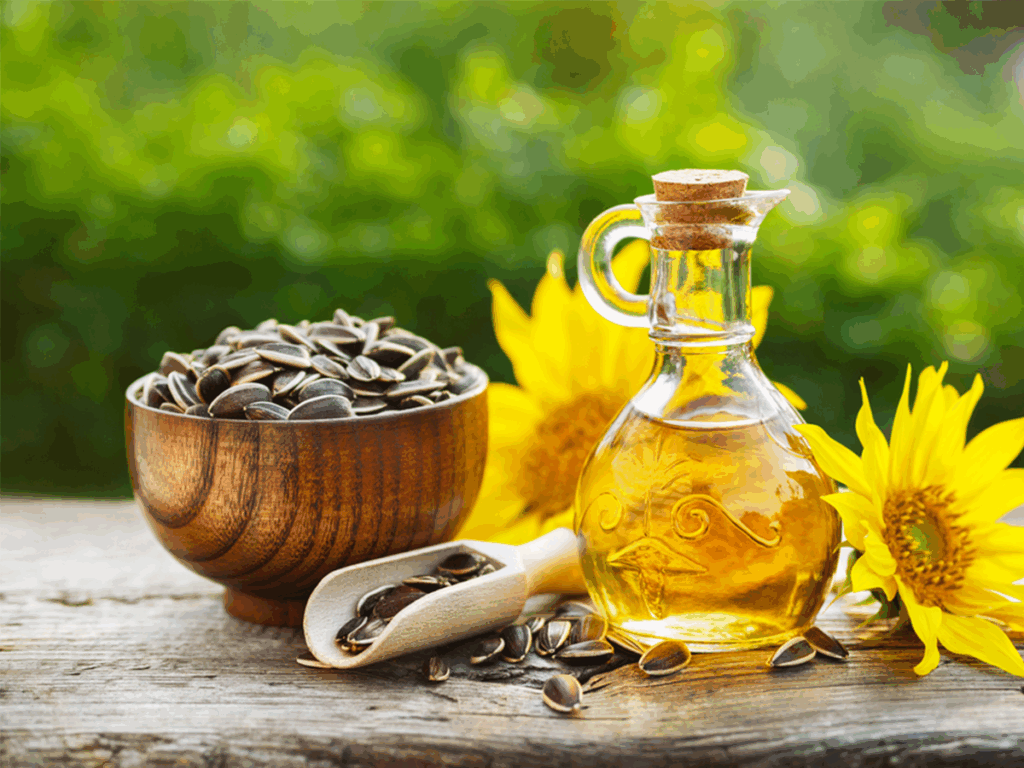
Sunflower Oil is a gentle carrier oil with a soft, familiar skin feel. It is widely used because it blends well and stays easy to work with in bulk production. For you, it offers a balanced glide that feels friendly to a wide buyer base. If your goal is a flexible core base for many markets, sunflower can do that job.
Benefits
- Soft, Mild Glide: Sunflower Oil gives a gentle slip that most users accept quickly, so your buyers can serve a wide audience. This helps you build a base that is easy to sell across many spa menus.
- Moisture-Forward Feel: It leaves skin feeling softer after treatment, which supports lines that blend massage and body care benefits. If your buyers want a simple “relax plus skin comfort” story, this base backs it up.
- Cost Steady Base: Sunflower helps you keep formula costs stable while still giving a pleasant user feel. That makes it useful for core products where price and performance both matter.
Best Use Case
- General Wellness Lines: This base fits brands that sell to mixed-use spas, salons, or wellness shops with broad client needs. You can position it as an everyday option without over-explaining the texture.
- Botanical Blend Products: Sunflower keeps the carrier feel neutral, so your chosen extracts or vitamins stay in focus. This is helpful when your buyers want the active story to lead the product.
- Value Spa Oils: If your buyers need dependable performance at a fair cost, sunflower supports that without raising cost too much. It helps them keep service pricing steady while still delivering a smooth massage.
Takeaway
Sunflower Oil is best for brands that want a mild, cost-steady carrier for broad-market massage and body oils. But if your buyers expect a more luxury texture, this base may feel too simple.
At TY Cosmetic, we can incorporate this oil into your massage oil line as a main base or as part of a lighter blend. We can tune the feel by adjusting the ratio, so your product matches the glide and finish your buyers expect. If you want added skin-care value, we can pair sunflower with suitable actives while keeping the texture stable in bulk runs. This gives you a scalable formula that fits spa supply and retail body care channels.
If you want to test a sunflower-based sample for your cosmetic business, tell us your target setting and texture goal and we will take it from there.
6. Safflower Oil
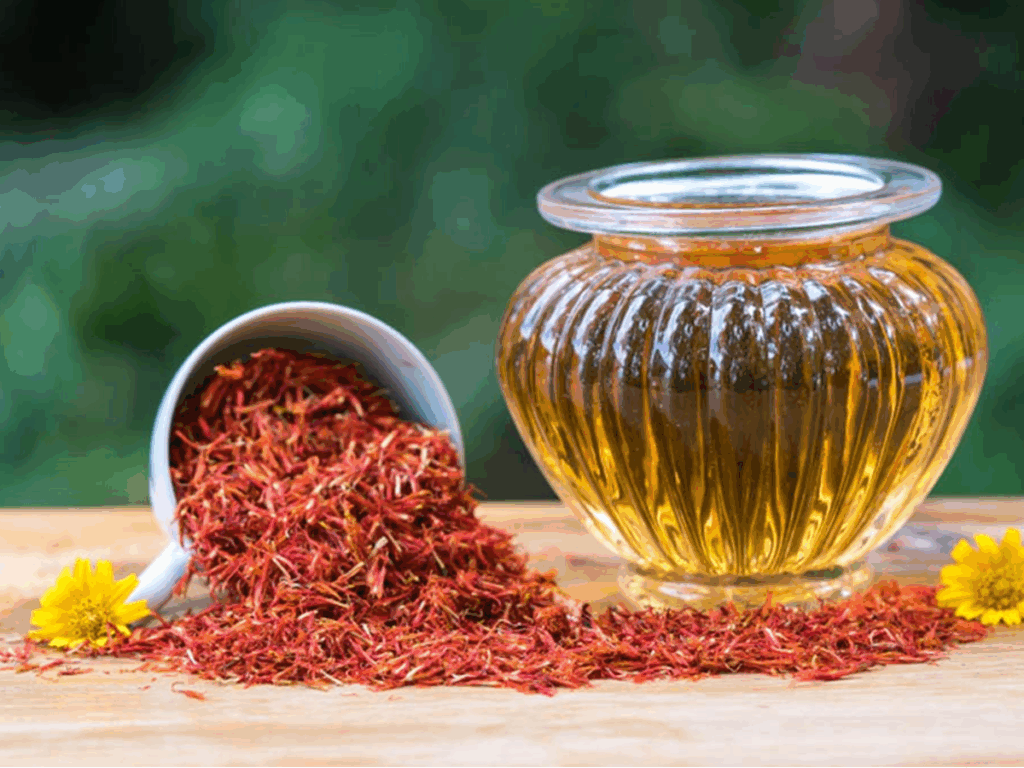
Safflower Oil is a light carrier oil made from safflower seeds, with a thinner body than almond or sunflower. In your formulas, it gives smooth glide but a cleaner finish that does not linger too long. That makes it useful when your buyers want massage oils that feel light on skin. If you are aiming for quick-use or warm-season products, safflower can fit well.
Benefits
- Lightweight Glide: Safflower Oil spreads quickly and feels airy, which helps you offer a lighter massage experience. This works well for buyers who want slip without a strong oily layer afterward.
- Quick-Service Friendly: The finish stays neat, so clients feel ready to move on after short treatments. That helps you sell into salons and chains that run fast appointments all day.
- Supports Targeted Actives: Its simple carrier feel lets your actives take center stage in use. This is useful if your buyers want focused SKUs like cooling, calming, or warming massage oils.
Best Use Case
- Express Massage Oils: Safflower suits short service menus where buyers need clean finish and low cleanup time. Your clients can use it for add-ons without changing towels or bedding too often.
- Daily After-Shower Oils: If you sell to retail brands, this oil supports fast home routines since it does not linger heavily. That helps your buyers position it as a daily-use body massage oil.
- Warm-Season Lines: Light oils are often preferred in hot months or tropical regions. Using safflower lets you offer an option that feels comfortable for summer buyers.
Takeaway
Safflower Oil is best for brands building light, quick-finish oils for express services or warm seasons. But if your buyers want slow, cushioned glide for long spa sessions, this oil may feel too light.
7. Shea Oil
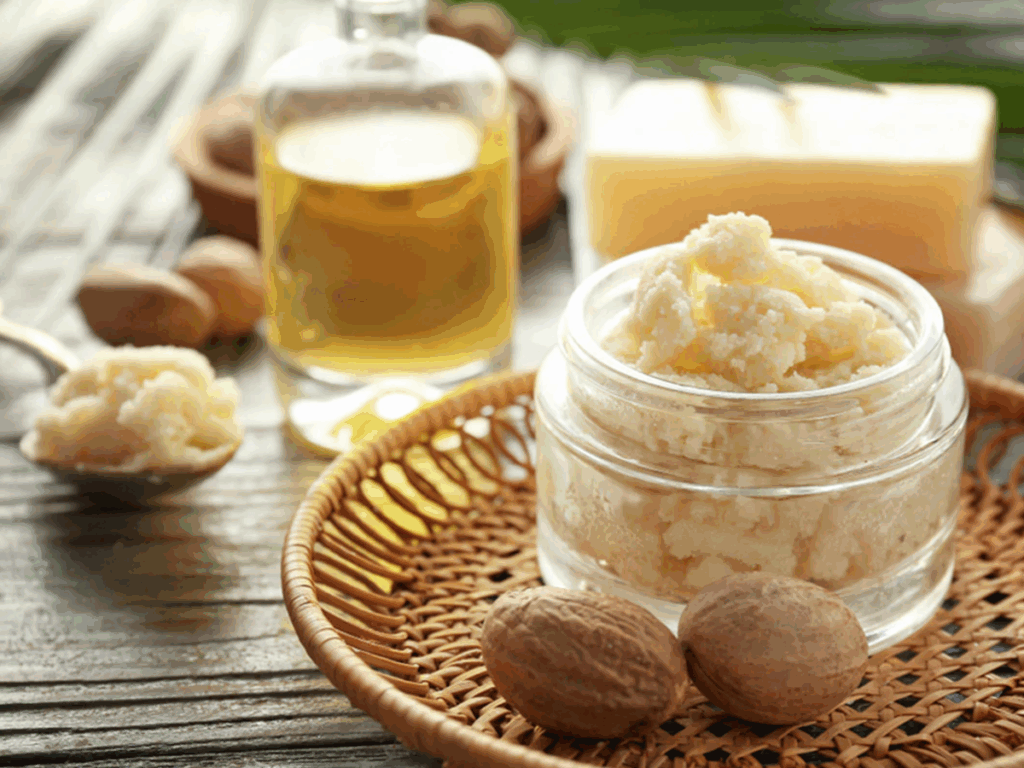
Shea Oil is a liquid form of shea butter designed to stay pourable. In your massage oils, it brings a richer body and a cushioned glide. The finish feels more nourishing, which many buyers link to “treatment” style products. If you want a formula that feels deeply caring on skin, shea oil is a strong base.
Benefits
- Rich Cushion Texture: Shea Oil brings a fuller body to your formula, giving massage a softer, padded feel. This supports buyers who want a comfort-first product for slower, relaxing services.
- Soft, Care Finish: The after-feel is more nourishing, which helps your buyers talk about skin comfort beyond the massage itself. This makes your product fit “massage plus body care” ranges.
- Premium Weight In Use: Shea Oil raises the sensory depth of your oil even if your scent stays mild. That gives you a clear way to build a higher-tier SKU in your line.
Best Use Case
- Dry-Skin Massage Lines: Shea Oil matches buyers who focus on dry, rough, or tight-feeling skin clients. You can help them position it for comfort and lasting softness after treatment.
- Cold-Season Products: Rich carriers tend to perform better in cooler weather when skin feels drier. This lets your buyers offer a winter-ready oil that feels supportive on skin.
- Luxury Spa Oils: Shea Oil works for spas that want slow glide and a pampering experience. Your buyers can use it in signature treatments where a richer feel matters.
Takeaway
Shea Oil is best for brands that want a rich, cushioned oil for dry-skin, cold-season, or luxury spa positioning. But if your buyers want a light, quick-absorbing product, this base may feel too heavy.
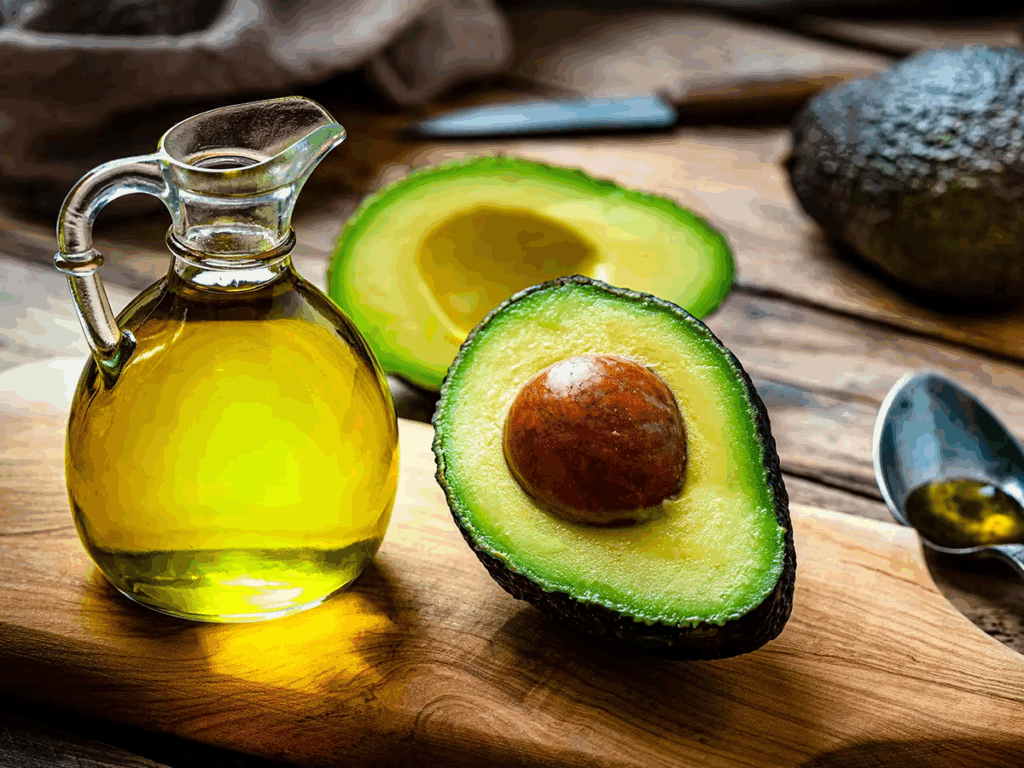
8. Avocado Oil
Avocado Oil is a thicker carrier oil with a naturally rich, buttery feel. When you use it in massage oils, you get strong glide plus a clear skin-soft finish. Many buyers see it as a care-focused base that adds depth to the product experience. If you want a richer hero item in your line, avocado oil is worth considering.
Benefits
- Full, Nourishing Feel: Avocado Oil adds a dense, creamy texture that makes your product feel like more than basic slip. This helps you serve buyers who want a treatment-style massage oil.
- Controlled Massage Support: The thicker body gives steady grip while still offering glide, which many therapists like for focused work. Your buyers can deliver deeper comfort sessions without losing control.
- Fits High-Value Blends: Avocado pairs well with richer botanicals and vitamins, so you can build premium blends with clear care positioning. This supports brands that want a hero product built around a nourishing base.
Best Use Case
- Therapeutic Massage Oils: Avocado supports slower work on tight areas, which fits recovery clinics and therapy brands. Your buyers can use it for deeper sessions where a richer base helps.
- Massage And Body Treatment Hybrids: This oil works well when buyers want a product that massages and also leaves a cared-for finish. You can position it for softening or repair-focused lines.
- Premium Retail Heroes: Avocado is a familiar high-value oil to many business buyers, which helps your product story stay simple. You can use it in top-tier SKUs where the base is part of the main appeal.
Takeaway
Avocado Oil is best for brands making rich, treatment-style massage oils for therapeutic or premium body care lines. But if your buyers need a fast-dry, daytime-light product, this oil may feel too slow to absorb.
9. 3 Factors To Consider When Choosing The Best Massage Oil Types
Choosing a massage oil type can feel simple at first, but the base you pick shapes how your product performs in real use. Your buyers will judge the oil by how it works in their hands, not by the label alone. Here are three factors to consider before you decide on the best massage oil type for your line.
#1 Match The Oil To Your Customer’s Massage Setting
Start by thinking about where your buyers will use the oil most often. A spa doing long, slow body treatments needs a different glide and finish than a sports clinic doing quick recovery rubs. If your customers work in hot climates, lighter oils often feel better and get fewer “too greasy” comments. For retail-focused brands, the oil has to fit home use, which usually means faster absorption and less residue on clothes.
At TY Cosmetic, we have been making massage oils for brands since 2009, working with spas, clinics, and retail labels in many regions. Our team helps you choose the right base by looking at how the oil will feel in real sessions, not just on paper. We also support you from early samples to bulk runs, so your final product stays consistent as you grow.
If you want help picking a base that fits your buyers and your product goal, tell us your target market and service style, and we will guide you from there.
#2 Balance Skin Feel, Absorption, And Product Positioning
Every oil sits somewhere on a range from very light to very rich, and you want that to match your brand message. If your line is built around “quick comfort,” a heavy base will fight your story. If you want a more treatment-like feel, a thin oil can feel too basic even if the ingredients are good. Absorption speed matters for repeat sales because it shapes how customers remember the finish after massage.
A smart step is to test the oil the same way your buyers will use it, not just with a quick fingertip check. When skin feel and positioning agree, your product promise feels real in day-to-day use.
#3 Think About Production, Stability, And Cost Fit
You also want an oil that behaves well once you scale, ship, and store it. Some bases stay stable for long periods, while others can change smell or texture faster, especially in heat. If your buyers order in bulk, stability becomes part of your value even when they do not call it out directly.
Cost matters too, but it should follow your product tier, not lead it. A premium base is a good choice when the rest of your formula and branding support that price level. When production needs, shelf life, and pricing line up, your oil stays reliable for both you and your buyers.
Conclusion
Massage oils look similar in a bottle, but they act very differently in real sessions. You have seen which oils feel light, which feel rich, and which fit fast services, long spa work, or therapy use.
The spa brand in our story started with mixed results. One sample felt right, the other slowed the whole massage.
When they matched the carrier oil to their setting, the product finally worked the way they wanted. Let this article be your shortcut instead of your lesson learned later.
Pick a base that fits your buyers, then build your line with confidence. Contact TY Cosmetic today!