












Last quarter, a brand partner sat with us during a collagen serum sample review and asked, “Will this really help skin, or is it just a label story?” That question stayed with me because it is the same one many business buyers ask.
It matters because collagen is used in many products, but not every collagen claim matches real results. So it’s smart to look at what it can actually do.
We are TY Cosmetic, and we make private label skincare every day, including collagen serums, creams, and masks. Our R&D team checks raw materials, tests formulas in the lab, and reviews how finished batches perform before they go to your market.
In this article, you will see what topical collagen does on the skin surface, what it cannot do, and which types are common in skincare. You will also get simple tips for choosing collagen products that fit your brand goals.
If you want to answer buyer questions with confidence and shape better product plans, this review will help you.
So, let’s get started!
1. What is Collagen and Why Does the Skin Need It?
Collagen is a protein your skin makes naturally, and it is one of the main building blocks in the dermis. Think of it as a mesh that gives skin its structure, so it can stay firm, smooth, and flexible. When collagen levels are strong, skin usually looks plumper and feels more elastic to the touch. This is why collagen is often used as a key story in products aimed at firmness, bounce, and early aging concerns.
As people age, the skin slows down collagen production little by little. Daily UV exposure, pollution, smoking, and long-term stress can speed up that drop. When collagen gets lower, skin may start to feel drier, look less even, and show lines more easily. For your brand, this explains why buyers often connect collagen products with visible support for texture and moisture, and why the ingredient keeps showing up in anti-aging lines.
2. What’s Inside The Collagen?
Collagen is made from small building blocks called amino acids. The mix of these amino acids, plus how collagen is processed, decides how it behaves in a skincare formula. For business buyers, knowing what sits behind the word “collagen” helps you pick the right raw material and set fair claims. Here are the main parts that sit behind the word “collagen” in skincare.
| What’s Inside / Behind “Collagen” | What It Means | Why It Matters For Your Products |
| Amino acids (glycine, proline, hydroxyproline) | Core units that form collagen. | Drive skin feel and hydration claims. |
| Triple-helix protein structure | Natural collagen is a large fiber. | Stays on the surface of skin. |
| Hydrolyzed collagen / peptides | Collagen broken into smaller parts. | Easier to blend, better texture. |
| Source material (marine, bovine, porcine, or plant-based boosters) | Where collagen comes from. | Affects cost, smell, and market fit. |
| Molecular weight (peptide size) | Tells how small the pieces are. | Guides format choice like serum or cream. |
| Purity and carrier system | Collagen mixed with stabilizers. | Impacts shelf life and base formula. |
| Supporting actives (like hyaluronic acid, vitamins, peptides) | Extra ingredients added to boost results. | Helps you build stronger positioning. |
If you want to turn these points into a product that sells well, the next step is picking the format and spec that match your market. At TY Cosmetic, we help you compare collagen options side by side, then align the source, peptide size, and supporting base to your target claim and price. That way, you move forward with a clear story and a formula that fits your buyers.
3. Benefits of Collagen
Collagen is popular in skincare because it supports a set of results that buyers can feel and see on the skin surface. In real formulas, it works best as a comfort and hydration helper, not as a miracle fix. Below are the main benefits you can reasonably talk about when you build or source collagen products.
Surface Hydration and a Softer Skin Feel
Topical collagen and collagen peptides sit on the skin and hold water there. This helps skin feel less tight and more comfortable after use. In serums and creams, collagen often gives a smooth, cushioned slip that buyers notice right away. For your brand, this supports claims around moisture, softness, and daily comfort. It also pairs well with other hydrators if you want a stronger “moisture” story.
Temporary Plumping and Smoother-Looking Texture
Because collagen forms a light film on the skin, it can make the surface look a bit fuller for a short time. Fine lines may look softer right after application, mostly due to hydration and that film effect. This is a useful benefit for quick “after-use” impressions, like in masks or ampoules.
If you sell to retailers or online stores, that instant feel can help repeat buying. Just keep your claims clear that the effect is on the surface, not a deep rebuild.
Better Support for Barrier-Focused Products
When skin is well hydrated, its barrier works better and looks calmer. Collagen helps here by reducing dryness and friction on the surface. In formulas we make at TY Cosmetic, collagen is often used to support “gentle care” positioning for stressed or early-aging skin. For you, this gives a safe, familiar ingredient angle for wide markets. It is also helpful in products meant for daily use, where comfort matters as much as visible change.
Strong Buyer Recognition and Easy Product Storytelling
Collagen is a name buyers already understand, even before they read the full label. That makes it easier for you to explain the product benefit in a short pitch. It also fits many categories, like firming creams, sheet masks, eye care, and body lotions.
From a sourcing view, collagen lets you keep a simple hero-ingredient story while still building a full formula behind it. If your market likes “classic anti-aging,” collagen remains one of the easiest entry points.

4. Types of Collagen Formats
Collagen comes in a few formats in skincare, and each format is processed in a different way. That processing changes things like texture, clarity, stability, and the type of surface result you can talk about. Here are the main types you’ll see when you source or build a collagen line.
Hydrolyzed Collagen (Collagen Peptides)
This is the most common collagen format in cosmetics today. The collagen is broken into small pieces, so it dissolves well in water-based formulas. It gives a smooth, slightly rich skin feel without heavy drag. You will see it used a lot in serums, lotions, and sheet mask essences.
Brands often pick this format when they want a clean texture and easy processing. It also fits daily-use products that focus on hydration and a fuller-looking skin surface.
Soluble Collagen
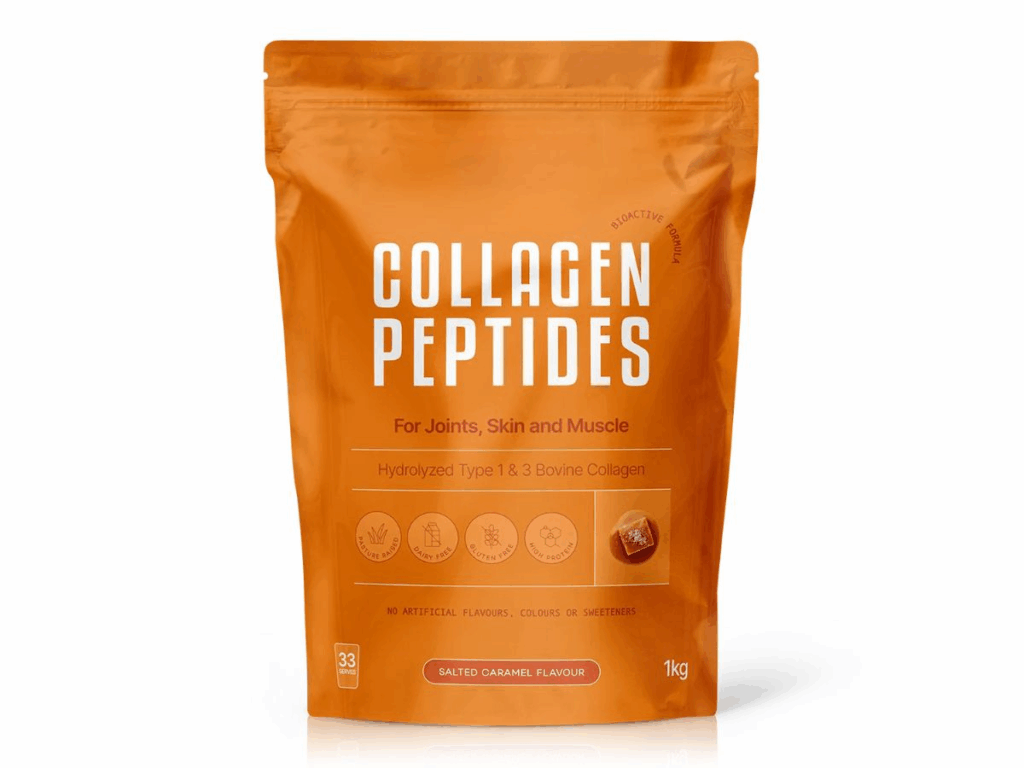
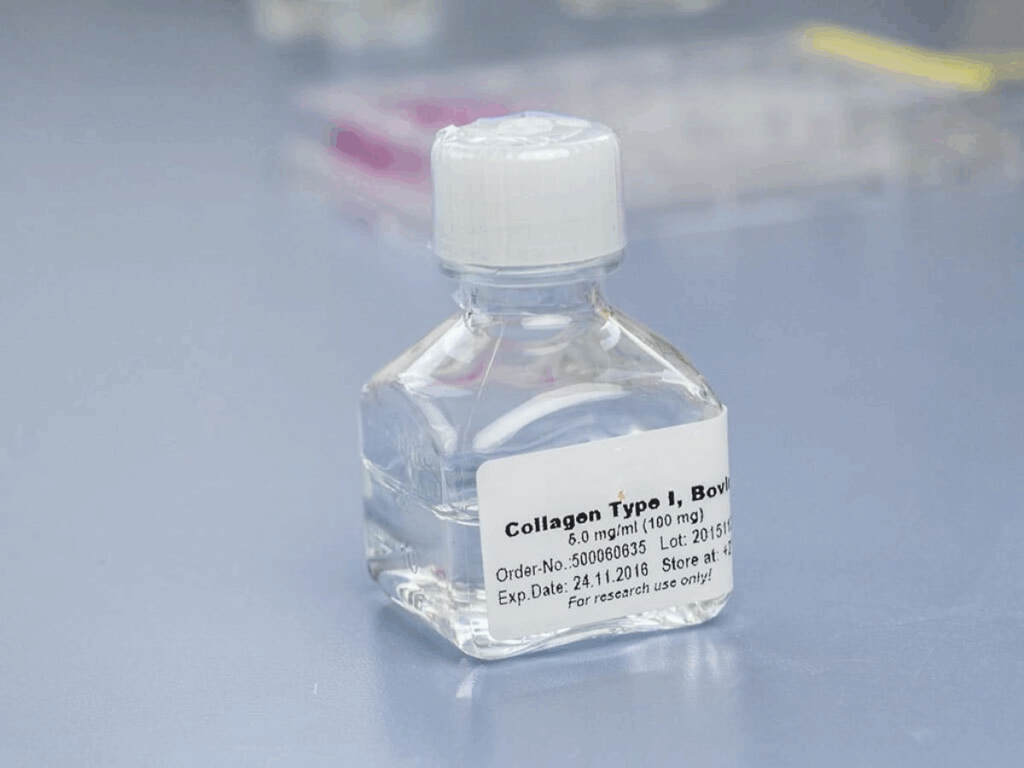
Soluble collagen is closer to the natural protein form, but still processed to mix into cosmetics. It tends to feel more film-like on the skin than peptides. That film can support a soft, tightened feel right after use. You will usually find it in creams, sleeping masks, and firming formulas where a richer touch is welcome. It supports a “spa-like” after-feel that many buyers like.
At TY Cosmetic, we offer soluble collagen options that are stable, smooth in texture, and ready for private label development. We help you choose the right concentration and base so your cream or mask delivers the rich, film-like feel buyers expect. Our R&D team runs compatibility and stability checks early, so you avoid texture shifts or separation later.
If you are building a firming or sleep mask line, we can share sample formats that match your price tier and market style.
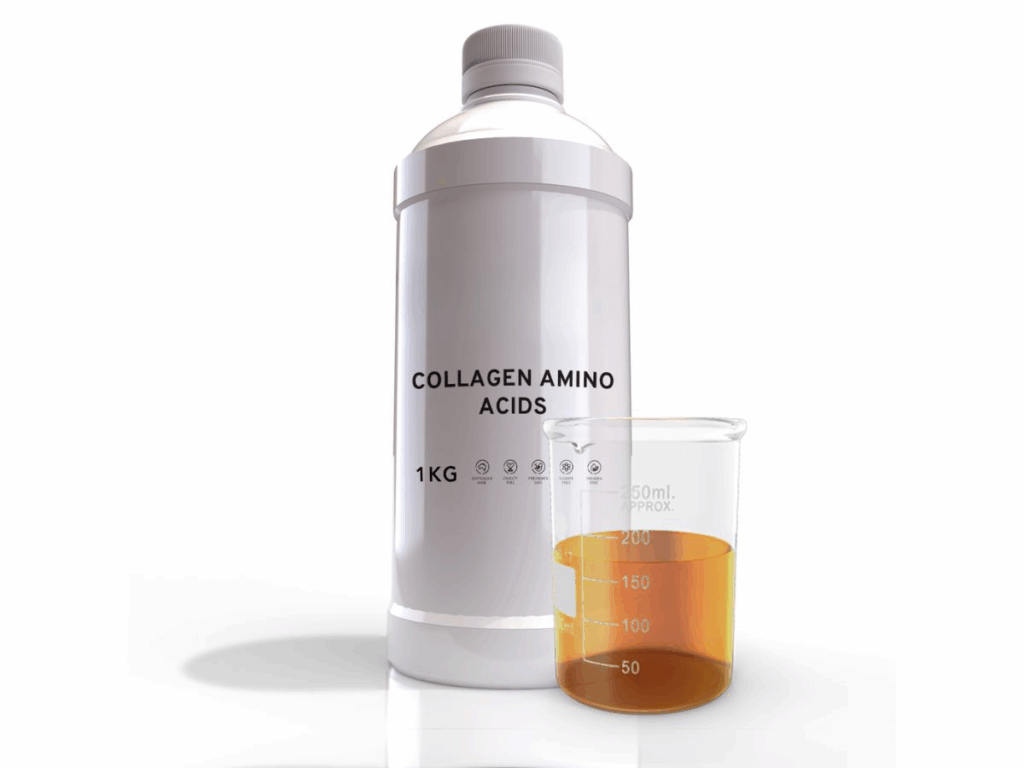
Collagen Amino Acids
This format is collagen broken down even further into free amino acids. It is very light, clear, and easy to blend into almost any base. The skin feel is less cushioned than peptides, but it supports hydration well. Brands often use it in toners, gels, and light serums for oily or hot-climate markets.
If you want a collagen story without changing your texture much, this format helps. It is also a practical option when you need a lower cost formula.
Encapsulated or Liposome Collagen
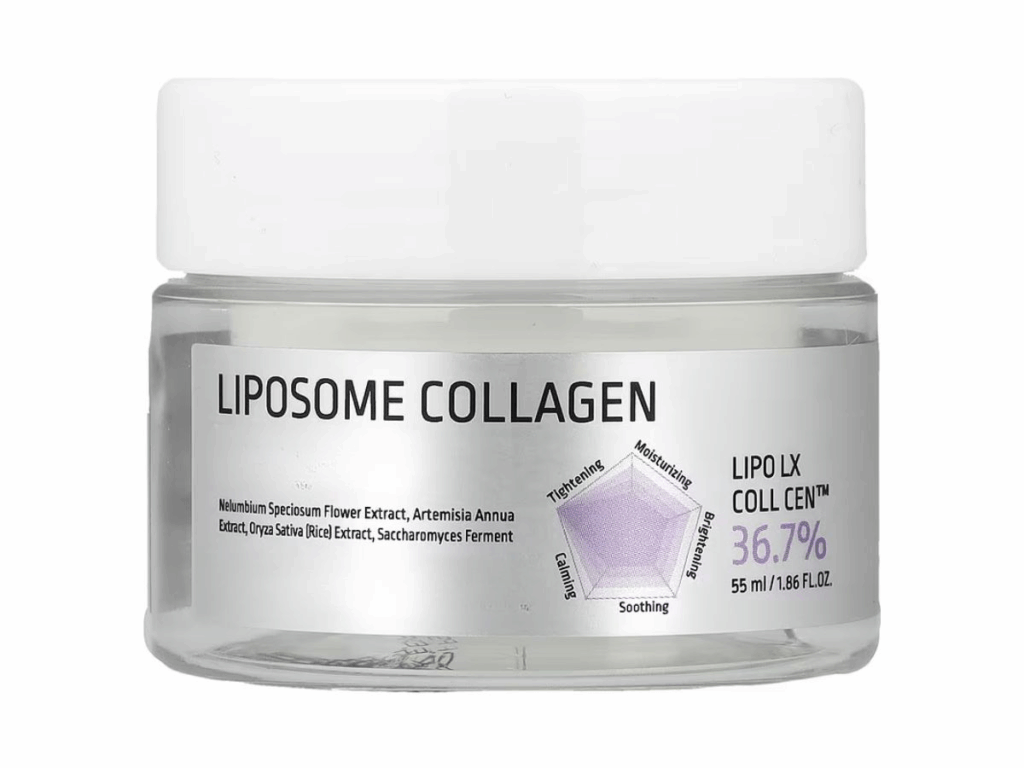
Here, collagen peptides are packed into tiny carriers like liposomes or capsules. The goal is to protect the collagen and release it slowly on the skin surface. This format can improve stability in more complex formulas. It also adds a higher-end angle that some markets look for.
Brands choose this when they want a clearer performance story tied to collagen use. Keep in mind it usually raises raw material cost, so it fits best in upper-tier lines.
5. Factors Affecting Collagen Result
Collagen results in skincare are not the same for every product. What you see on skin depends on the collagen you use and how the full formula is built. If you want buyers to feel a clear benefit, these are the main factors to watch.
Collagen Type and Molecular Size
Collagen can be used as whole collagen, peptides, or amino acids. The smaller the collagen pieces are, the easier they spread and sit evenly on the skin surface. Large collagen stays more on top and mainly adds a soft film feel. Peptides tend to give a smoother, lighter finish and better daily comfort. For you, choosing the right size helps match the product format, like a light serum versus a rich cream.
Product Format and How People Use It
A collagen mask, serum, cream, and body lotion will not feel the same, even with the same collagen. Leave-on products give collagen more time to form a film and hold moisture on the surface. Rinse-off products may feel nice during use but give a shorter result.
Frequency matters too, because collagen benefits are mostly tied to regular hydration and comfort. For b2b buyers, this affects how you guide usage on your label and marketing. It also helps you pick the best format for your target channel, like spa, retail, or daily home care.
Skin Condition and Outside Stress
People with dry or tired skin often feel collagen benefits faster because they need surface moisture support. Oily or very healthy skin may notice less of a difference from collagen alone. Sun exposure, pollution, and harsh routines can also reduce how long the soft, plump feel lasts. This is normal and not a product failure, it is how skin reacts day to day.
7. Safety Considerations of Collagen
Collagen is widely used in skincare, and most brands see it as a low-risk ingredient when it is sourced and handled well. Still, safety depends on the collagen source, how clean it is, and how you present it to buyers. Here are the main safety points to think about before you commit to a collagen product.
Source and Allergy Concerns
Collagen in cosmetics often comes from fish, bovine, or porcine sources. The source can matter for users with allergies, especially fish-sensitive groups in marine collagen markets. If your market leans halal, kosher, or vegan, the source may shape acceptance even more than performance. So you need clear source documents from your supplier. That helps you avoid label changes late in the process.
At TY Cosmetic, we work with different collagen sources and help you choose the one that fits your market rules and buyer needs. We provide clear source records and full specs early, so you can label with confidence from the start. Our team also checks how each collagen type behaves in your formula, so the finished product from formula development until packaging matches your target feel and claim range.
If you need collagen options for different regions, TY Cosmetic guides you through the trade-offs in cost, texture, and acceptance.
Purity and Supplier Quality
Collagen is a natural protein, so purity depends on how it is extracted and refined. Good suppliers remove unwanted residues that could affect odor, color, or skin comfort. Lower-grade collagen may carry trace impurities that raise irritation risk. For your business, this is why test reports matter, not just a basic spec sheet.
Look for batch-to-batch consistency, micro limits, and heavy metal checks. Clean paperwork also supports smoother cross-border selling.
Claims and Market Compliance
Safety is not only about the ingredient, but also about compliance. Collagen works mostly on the skin surface, so your claims should match that reality. Phrases tied to hydration, softness, or improved look of firmness are safer than deep repair promises. If you sell in more than one region, rules may differ, so avoid the strongest claim style by default. It also helps you build trust with distributors and retailers.
Conclusion
We started with a brand partner asking if collagen was real value or just a label story. After reviewing formats, benefits, limits, and safety, the answer is clear.
Topical collagen supports moisture, soft feel, and a smoother look on the skin surface. Results depend on peptide size, formula pairing, and use.
Source and purity matter for comfort and market fit. If collagen is in your next launch, set claims that match surface support. TY Cosmetic can help you choose the right collagen for your line. Contact us today!