












I remember a client asking why their exfoliating gel felt smooth at first but showed mixed results across different skin types, and that question stayed with me as a supplier.
That talk reminded me how small details in a formula can shape the way your customers respond.
As a manufacturer, TY Cosmetic works with many brands, so we see how real users react and what helps a gel perform well.
In this review, you will learn how exfoliating gel works and find clear points that match your search for simple answers.
Let’s move into this topic step by step.
So let’s begin!
1. What Is Exfoliating Gel?
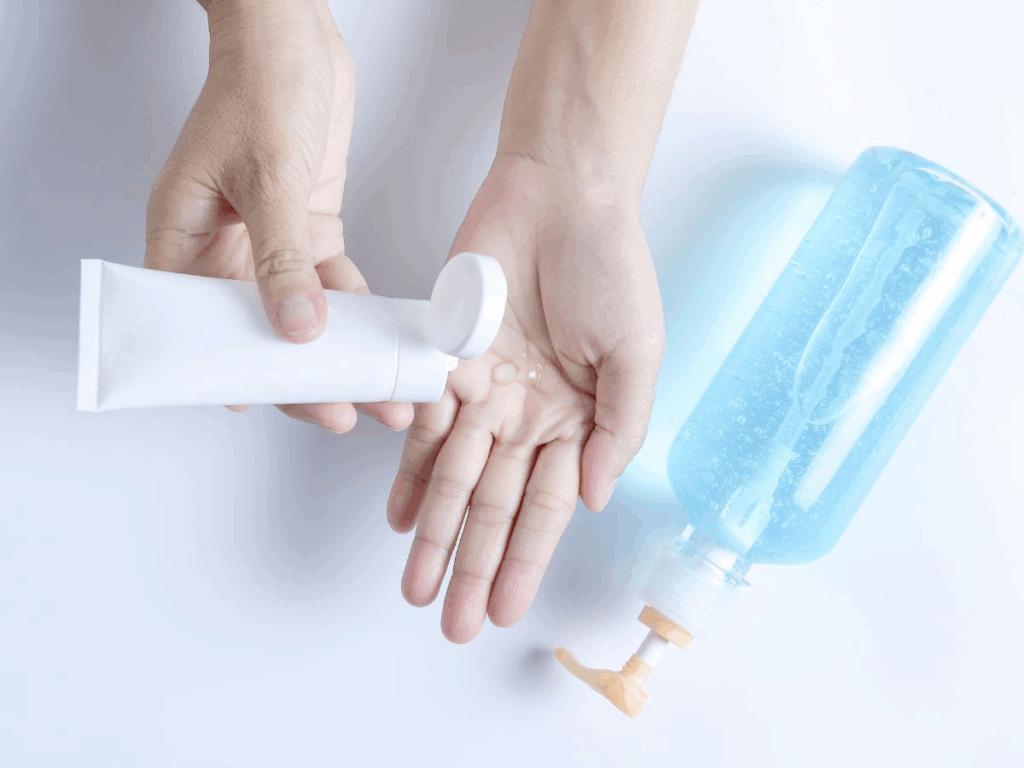
Exfoliating gel is a soft, gel-based product that helps lift dead skin from the surface. It works without harsh rubbing, so your clients can get a clean feel with less stress on the skin. If you offer facial care or retail items, this type of product gives you a simple way to support smoother texture.
For your brand, it helps to think of exfoliating gel as a gentle cleaner that breaks down old skin cells so fresh skin can show through. This makes it easier for your other products to sit well on the skin and gives your customers a clear, steady result.
2. Types of Exfoliating Gels
Exfoliating gels come in a few main forms, and each one fits a different need. We work with many brands, so we see how your clients respond to each type. This helps you match the right gel to your market and treatment style.
| Type | How It Works | Best Use Case | Notes for Your Brand |
| Enzyme Gel | Uses fruit enzymes to break down dead skin. | Good for sensitive or dry skin. | Mild action and steady results. |
| AHA Gel | Uses water-soluble acids to loosen old skin cells. | Works well for dull or uneven skin. | Needs clear instructions for spa and retail use. |
| BHA Gel | Oil-soluble acids clear buildup inside pores. | Great for oily or blemish-prone skin. | Often used in targeted care lines. |
| Peeling Gel | Gathers dead skin into small clumps during massage. | Good for treatments that need quick visible results. | Popular in spa rooms for simple demos. |
These types give you clear choices based on your clients and your product plans. You can mix different gels across your line, or focus on one type if you want a simple range. This table gives you a base to decide what fits your users and your formula direction.
3. How Exfoliating Gels Work on Skin
Exfoliating gels work through simple actions that help clear buildup without harsh force. We see this often with brands we support, and the process is easier to explain than most teams expect. These points will help you guide your own clients and plan your formula choices with steady direction.
Softening the Top Layer of Skin
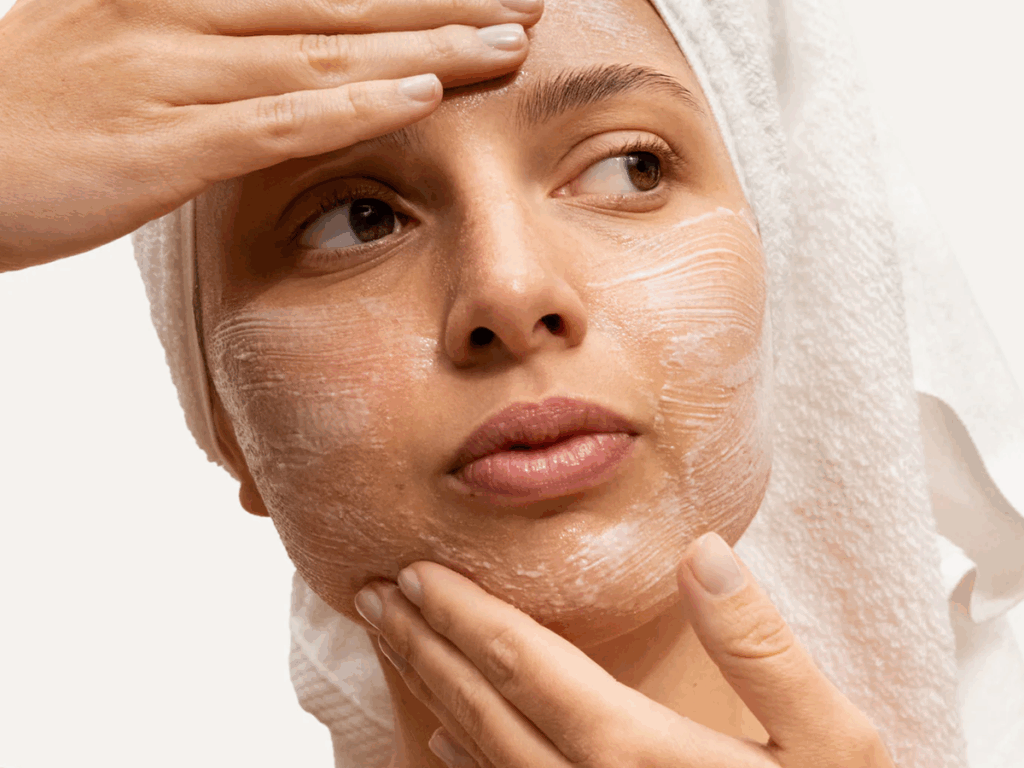
Exfoliating gel starts by softening the dead skin sitting on the surface. The gel spreads in a thin layer, so the skin can take it in without pressure. This step makes the buildup easier to lift during massage. Your clients feel less drag, which helps with comfort during treatment.
You can explain this as the first step in helping the skin release what it no longer needs. It gives you a calmer starting point before the gel begins its next action.
Breaking Down Dead Skin Cells
The gel uses acids or enzymes to break the bonds holding old skin cells together. This action is light but steady, so the buildup loosens over a short time. Your staff can use slow circles to help the gel move across the skin evenly.
As the cells release, the surface begins to feel smoother. This part makes the treatment feel more controlled. It also prepares the skin for the next products in your routine.
Lifting Buildup During Massage
Once the gel softens and loosens the dead skin, the massage step helps lift it away. Your team can use light pressure to roll the gel across the surface. This motion pulls the buildup into small clumps, which is easy for clients to see.
It gives your spa staff a clear way to show progress during treatment. This visual cue helps build trust and makes the session feel more interactive. It also helps you explain the process in simple terms.
Clearing Excess Oil and Surface Debris
Some exfoliating gels also draw out extra oil from the pores. This step helps reduce shine and gives the skin a cleaner feel. Your clients often notice this right after the rinse. The gel works on the surface, so it avoids deep stripping of the skin. This keeps the skin from feeling dry or tight. It also makes the treatment easier to fit into regular care plans.
Preparing Skin for Better Product Absorption
After the dead skin is lifted away, the skin becomes more open to the next steps in your routine. Your serums, creams, or masks can sit on the skin without that extra layer blocking them. This helps your clients feel the benefits of their other products more clearly.
It also helps your spa team build smoother treatment flows. With this base, your full line can show steadier results. It makes the service feel more complete for your clients and your staff.
4. Key Ingredients and Their Functions
Exfoliating gels depend on key ingredients that guide how the gel works on the skin. We see this often when we help brands shape formulas for spa use and retail lines. These points will help you understand what each part does and how it supports your product plan.
Fruit Enzymes
Fruit enzymes help break down dead skin in a slow and gentle way. They work on the surface, making them a good choice for sensitive or dry skin lines. Your team can use them when you want a calm, steady effect that clients can feel right away.
Because they act without strong acids, they fit well into weekly treatments. Many brands use them for spa facials where comfort is a top concern. Your clients can enjoy a smooth finish without sharp reactions.
Alpha Hydroxy Acids (AHAs)
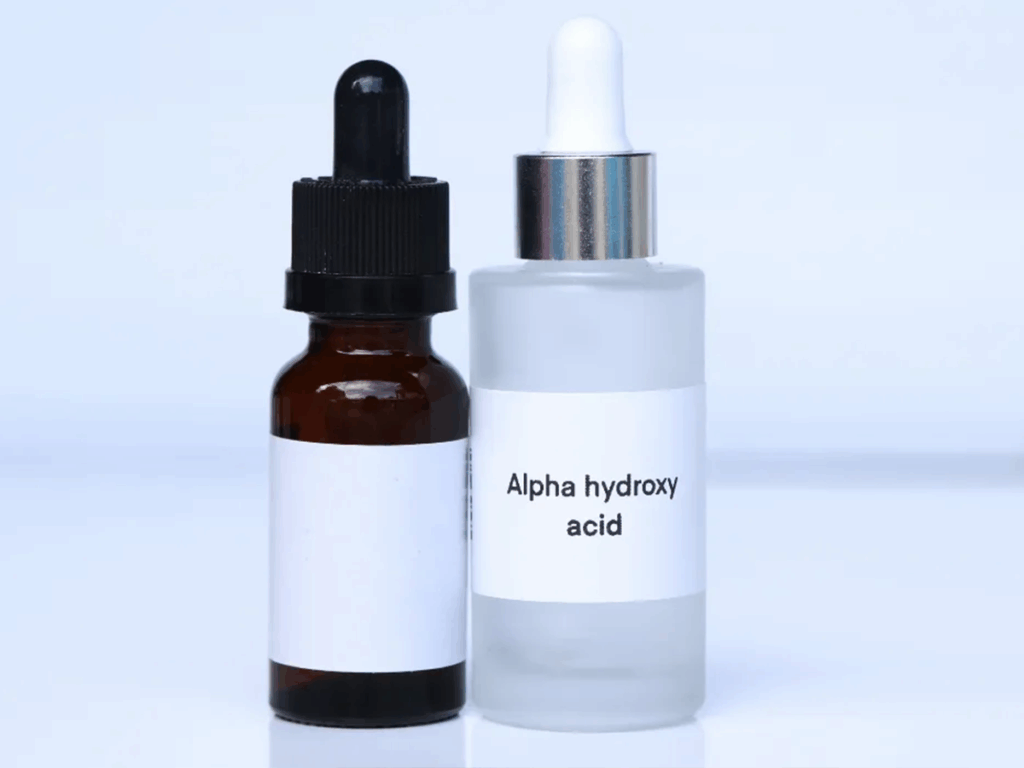
AHAs melt the bonds that hold older skin cells in place. They help brighten dull areas and improve texture over time. Your staff can use them on clients who want a clearer look with simple upkeep. AHA acids stay on the surface, which helps keep the skin balanced. Brands often use them in gels for brightening or light resurfacing.
Beta Hydroxy Acids (BHAs)
BHAs work inside the pores, which makes them helpful for oily or breakout-prone skin. They can reach deeper than AHAs because they mix well with oil. Your team can use them on clients who struggle with shiny or clogged areas. BHAs help clear buildup that regular washing cannot reach.
That makes them useful for targeted care lines or deep-cleansing treatments. You can apply them in small areas or across the full face, based on your client’s needs.
Hydrating Agents and Soothing Add-Ons
Many exfoliating gels include hydrating agents to keep the skin from feeling dry after treatment. These parts help hold moisture on the surface and reduce tightness. Your clients will feel more comfortable, and your staff can give smoother sessions. Add-ons like calming plant extracts also help reduce stress on the skin during the massage step.
This is also where TY Cosmetic becomes helpful for your team, as we guide brands in choosing the right mix of active and calming parts so your gel matches your market’s needs. If you want support building a formula that feels steady and sells well across your line, you can reach out to us for direct help with your product plan.
5. Safety and Sensitivity Considerations
Safety and sensitivity matter in every exfoliating gel you place in your line. We see this often when brands test new formulas and want steady results across different skin types. These points will help you guide your staff and give your clients a safer, clearer experience.
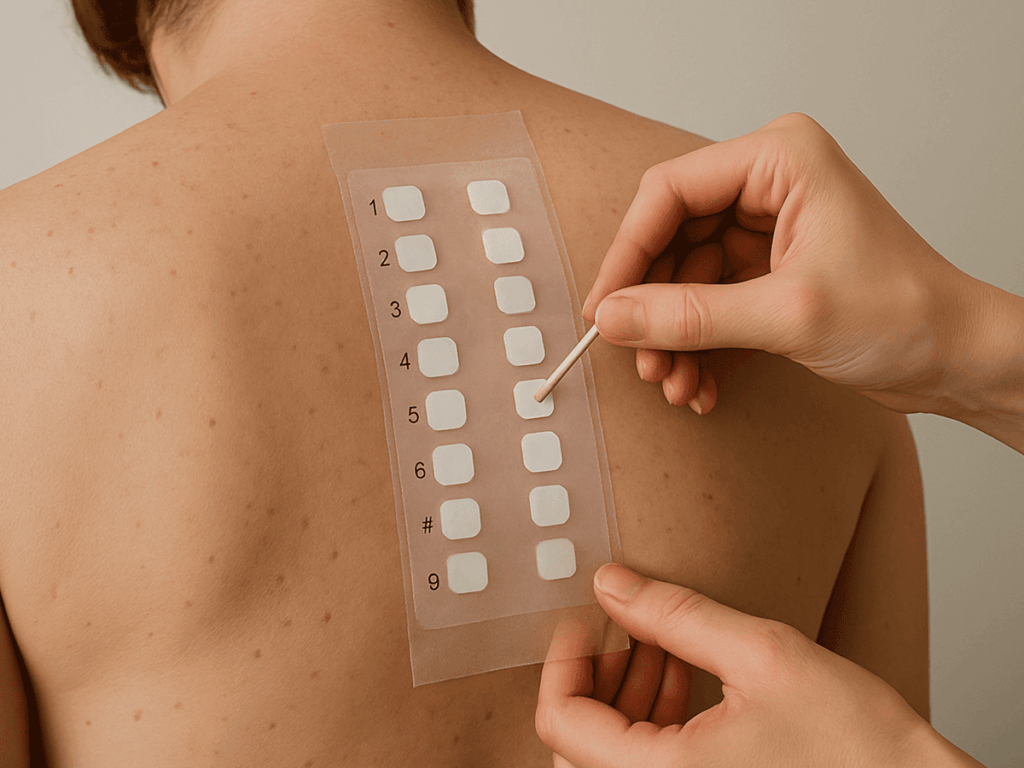
- Patch Testing First: A small test spot helps your staff check for redness or strong reactions before applying the gel across larger areas. This step gives you a simple way to protect sensitive clients and adjust your treatment plan if needed.
- Watch for Over-Exfoliation: Using strong acids too often can lead to dryness or discomfort. Your team should space out treatments and set clear use instructions, so your clients get steady results without stress on the skin.
- Mind Active Ingredients: Some clients may react to strong acids or enzyme blends. You can guide your staff to start with lighter formulas or choose products that match the client’s skin type more closely.
- Avoid Broken or Irritated Skin: Gels should not be placed on open cuts, active rashes, or areas that look inflamed. This keeps the skin safe during treatment and helps your client avoid further irritation.
- Balance With Hydration: Many skin types feel more comfortable when the gel includes soothing or hydrating parts. Your team can follow with a calm serum or light cream to support the skin barrier after exfoliation.
6. Exfoliating Gel vs. Scrubs vs. Other Exfoliation Methods
Exfoliating gel is one option out of several exfoliation methods your brand may use. We often see teams compare these choices when building a new line or shaping spa menus. This table gives you a simple look at how each method stands next to exfoliating gel.
| Method | How It Works | Strengths | Limitations | Best Use Case |
| Exfoliating Gel | Softens and loosens dead skin with enzymes or acids. | Gentle action, low friction, steady feel. | May need repeated use for stronger results. | Good for spa facials and regular weekly care. |
| Scrubs | Uses small grains to remove buildup by rubbing. | Quick results and strong physical lift. | Can feel rough on sensitive skin. | Best for body care or clients who want strong action. |
| Chemical Exfoliants (Liquid) | Uses acids to melt old skin cells across the surface. | Clear results and steady texture improvement. | Can be strong if used too often. | Good for brightening lines and targeted treatments. |
| Peeling Pads | Pre-soaked pads deliver acids in a controlled dose. | Easy retail item and simple for clients. | May feel strong for first-time users. | Great for home care kits or add-on retail. |
| Microdermabrasion | Machine uses fine crystals to polish the skin. | Strong resurfacing and visible results. | Needs trained staff and equipment. | Best for spa rooms and advanced treatment plans. |
This comparison helps you see where exfoliating gel fits in your product line. You can use it as a gentle base while keeping stronger methods for targeted sessions. Many brands use more than one method to give clients flexible options. This mix helps your team guide each client with clearer choices and steadier results.
7. Factors to Consider When Choosing an Exfoliating Gel
Choosing the right exfoliating gel can shape how your clients respond to your whole line. We see many brands sort through these points as they plan spa menus or build retail sets. These factors will help you choose a gel that fits your goals and your customers.
Skin Type and Client Needs
Your clients have different skin needs, so your gel should match the group you serve. Some may need lighter action, while others look for deeper clearing. Your team can guide each client by checking dryness, oil levels, and sensitivity before choosing a gel.
This step helps you avoid strong reactions and gives a steady, comfortable result. When you match the gel to the right user, the treatment feels smoother. It also helps your line show more consistent feedback.
Strength of the Active Ingredients
Different gels use different strengths of acids or enzymes. Your brand should choose a level that works for the clients you serve most often. If you work with sensitive clients, a mild blend may be a better fit. If your clients deal with oil or buildup, a stronger gel can help. Your staff can also adjust use frequency to keep the skin balanced. Simple guidance helps spa teams and retail buyers feel more confident.
Sensory Feel and Client Comfort
Texture plays a bigger role than most teams expect. Your clients notice how the gel spreads, how it massages, and how the skin feels after rinsing. Smooth, light textures often work well for spa rooms where comfort matters.
Gels with more slip help reduce friction during massage, which makes the treatment feel calm. Your brand can test a few textures to see what fits your service style. This also helps you fine-tune your product’s place in your line.
Product Support and Formula Guidance
Some brands need help choosing the right mix of acids, enzymes, and calming parts for their gels. This is where TY Cosmetic can support you, as we work closely with brands to shape formulas that match real business needs and real client feedback.
If you want direct help building a gel that fits your market, you can reach out to us for guidance and product development support. Our team can walk you through each step so your formula feels clear, steady, and ready for use. This gives you a smoother path from idea to finished product. It also helps your staff explain the gel with more confidence.
Conclusion
That early talk with my client about why exfoliating gels feel smooth yet act so clearly now comes to a close here.
You saw how each part of the process fits together, from how the gel lifts buildup to how you can choose the right formula for your clients.
This gives you a stronger base as you plan your own line.
If you want help shaping a gel for your market, at TY Cosmetic, we can support your product plans from start to finish. Contact us today!