











A few months ago, a salon owner called us about a hand cream that kept leaving a sticky film on clients’ hands. They had used an online “natural recipe” and hoped it would work for retail. As a manufacturer, we knew exactly what went wrong — too much wax and an imbalance in the emulsifier.
It’s a common story for small and growing brands. Good intentions meet technical hurdles.
At TY Cosmetic, we specialize in helping skincare businesses avoid these mistakes. Our chemists and formulation experts test ingredients and guide our clients through every stage, from base selection to final testing.
This guide covers the essentials of hand cream formulation and highlights the hand cream ingredients to avoid. It’s built to give you clarity, confidence, and practical advice you can apply right away.
Ready to create a hand cream that stands out for the right reasons?
Let’s begin!
1. The Purpose of Hand Creams
Your clients use their hands all day — washing, cleaning, handling tools, or working with products. Over time, their skin loses moisture and becomes dry, rough, or irritated. Hand creams help restore that balance. They form a light barrier on the skin, keeping moisture in and protecting against daily stress.
For many skincare and spa brands, a good hand cream is not just a comfort product — it’s a way to show care and quality to customers.
We see hand creams as more than simple moisturizers. They reflect your brand’s standards. The right formulation can make a client come back because the product feels right, absorbs well, and actually works. That’s why understanding the purpose behind each ingredient is important.
2. Key Characteristics of a Good Hand Cream
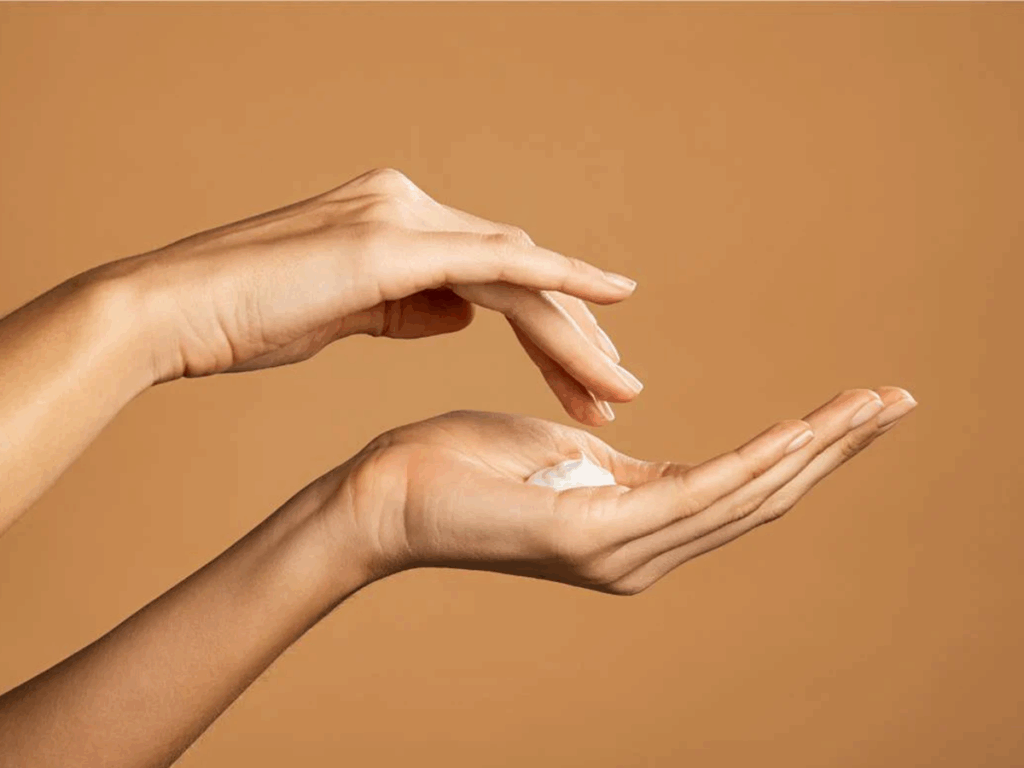
When you create a hand cream, it’s not just about how it feels at first touch. A good formula should meet real user needs and work well over time. From texture to performance, each element plays a part in how your product is received. Here’s what we look for in every strong hand cream formulation:
- Balanced Hydration: The best hand creams lock in moisture without leaving a greasy layer. They use humectants like glycerin to draw water in, while emollients help soften dry skin. It’s about finding that middle ground — rich enough to nourish, but light enough to absorb fast.
- Smooth Application: Texture makes a lasting impression. A good hand cream spreads easily and blends into the skin with little effort. You want a formula that feels smooth during application and leaves a clean finish.
- Lasting Protection: Beyond instant softness, a great product offers longer relief. Ingredients such as natural oils, butters, or silicones form a thin layer that guards against dryness from frequent washing or exposure. That protective quality is what keeps clients coming back.
- Pleasant Sensory Feel: Scent, absorption, and finish all matter. A well-balanced fragrance and non-sticky feel make the experience enjoyable. When users like the way your cream feels and smells, they’re more likely to buy again and recommend it to others.
3. The Core Ingredients in Every Great Hand Cream
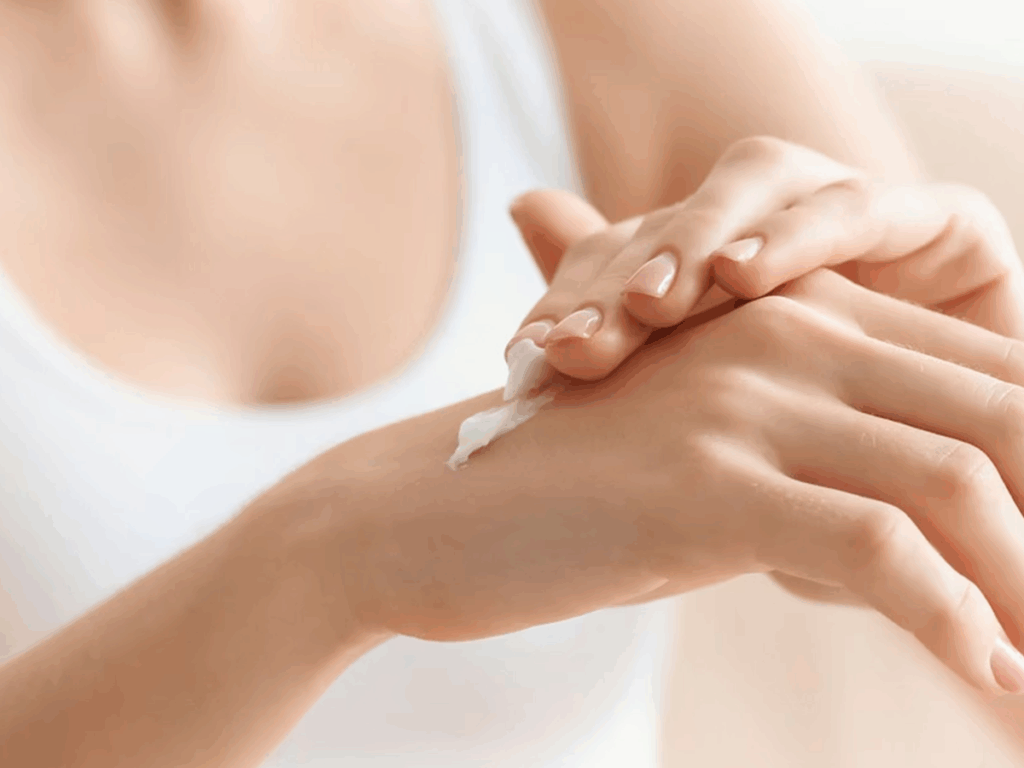
Every strong hand cream starts with the right base. These ingredients work together to hydrate, protect, and smooth the skin. As manufacturers, we focus on balance — too much of one component can throw off texture or performance. Here’s a breakdown of the key ingredients that form the backbone of most effective hand creams:
| Ingredient Type | Examples | Purpose | Notes for Formulators |
| Emollients | Shea butter, jojoba oil, caprylic/capric triglyceride | Soften and smooth the skin surface | Choose lightweight emollients for faster absorption and less greasiness. |
| Humectants | Glycerin, hyaluronic acid, propylene glycol | Attract and hold moisture in the skin | Combine with emollients to prevent a tacky feel. |
| Occlusives | Dimethicone, petrolatum, beeswax | Form a barrier to prevent water loss | Use in small amounts for balance; too much can feel heavy. |
| Emulsifiers | Cetearyl alcohol, glyceryl stearate, polysorbate 60 | Blend water and oil phases together | A stable emulsion prevents separation over time. |
| Preservatives | Phenoxyethanol, ethylhexylglycerin, sodium benzoate | Protect formula from bacteria and mold | Always test compatibility with other ingredients. |
| Fragrances and Essential Oils | Natural or synthetic blends | Add pleasant scent | Keep levels low to reduce irritation risk. |
| Thickeners and Stabilizers | Carbomer, xanthan gum, cetyl alcohol | Adjust texture and improve shelf life | Use small, precise amounts to maintain spreadability. |
At TY Cosmetic, we’ve developed and refined these ingredient combinations through years of manufacturing experience. Our team works closely with skincare brands to design stable, high-quality hand cream formulations that perform well and stay consistent in production. If you want guidance on choosing the right base or balancing actives, we can help you move from idea to finished product with confidence.
4. Functional and Supportive Ingredients
Beyond the core ingredients, a well-formulated hand cream often includes functional and supportive components. These ingredients don’t always make headlines, but they play a big part in how your product feels, performs, and lasts on the shelf.
Antioxidants
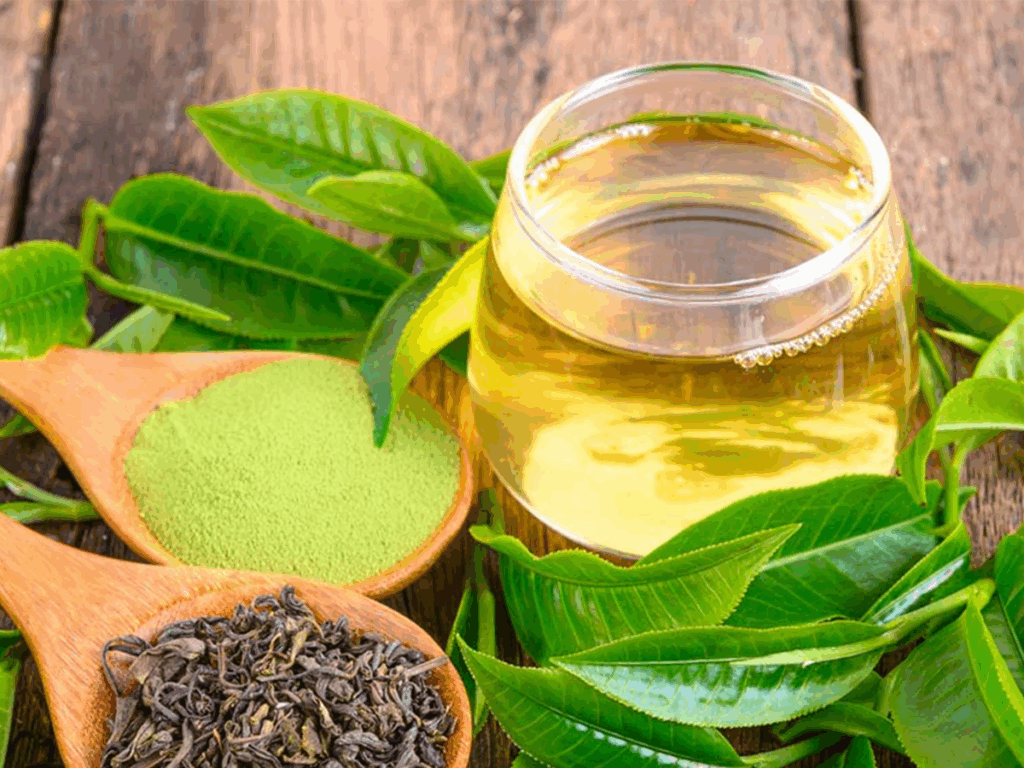
Antioxidants protect both the skin and your product. They stop oils from oxidizing, which helps maintain freshness and scent. Common options include vitamin E (tocopherol) and green tea extract. These ingredients also support skin health by fighting free radicals that cause dryness and irritation. Using a small amount can make a big difference in stability and quality.
Botanical Extracts
Plant-based extracts can add value and marketing appeal. Ingredients like aloe vera, chamomile, or calendula calm the skin and support hydration. They also give your formula a natural image without changing its core structure.
Choose extracts that align with your brand’s focus — gentle care, spa-grade comfort, or premium simplicity. Always test compatibility since natural materials can affect color or scent over time.
Vitamins and Active Boosters
Adding vitamins can strengthen your product’s function. Vitamin B5 (panthenol) helps soften skin, while niacinamide can improve texture and tone. These ingredients give visible benefits without making the formula heavy. They work best in low, balanced doses that complement your base. Actives can turn a standard hand cream into a product customers notice and remember.
Soothing Agents and Additives
Soothing agents reduce irritation and make the cream feel comfortable, even for sensitive users. Ingredients such as allantoin, bisabolol, and oat extract are common choices. They help calm redness and improve the after-feel of the product.
These small touches improve user satisfaction and reflect well on your brand. For many formulators, these are the final details that bring everything together.
5. Ingredients to Avoid in Hand Cream Formulations
Even the most well-planned formula can fail if the wrong ingredients are used. Some materials may seem effective at first but cause long-term problems like irritation, instability, or product recalls. Knowing what to avoid helps you create safer, more reliable hand creams.
Below are some ingredient types that often lead to issues for skincare brands and their customers:
Harsh Alcohols
Short-chain alcohols such as ethanol, isopropyl alcohol, or denatured alcohol can make a cream feel light at first, but they strip away natural oils from the skin. This causes dryness over time and can leave hands feeling tight or rough. While small amounts may be used for quick absorption, overuse damages the skin barrier.
We’ve seen many brands reformulate after realizing their products felt good initially but made skin worse with frequent use. It’s best to use fatty alcohols like cetyl or stearyl alcohol instead — they give texture without irritation.
Strong Fragrance and Allergenic Scents
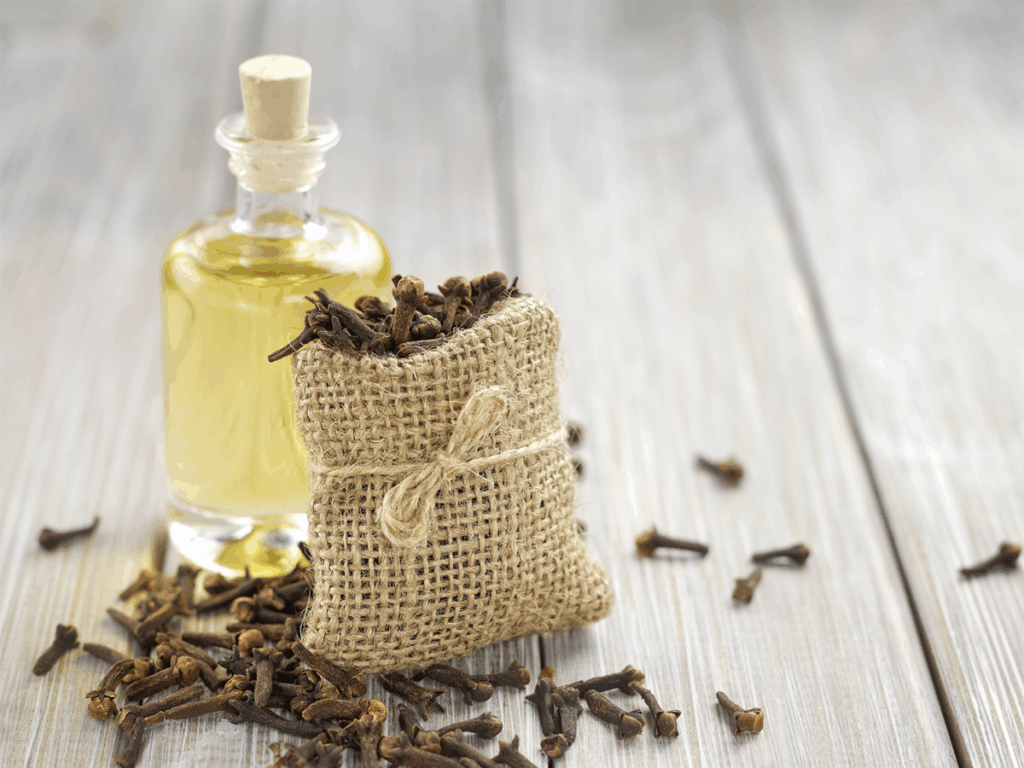
Fragrance adds appeal, but too much can backfire. Synthetic scents and some essential oils are common causes of skin sensitivity, especially on dry or cracked hands. Ingredients like limonene, linalool, or eugenol may trigger reactions even at low levels.
When formulating, stick with mild, skin-friendly fragrance blends or go fragrance-free for sensitive lines. A pleasant scent should never come at the cost of user comfort or safety.
Parabens and Formaldehyde-Releasing Preservatives
Preservatives are needed to keep your product safe, but some traditional types raise safety concerns. Parabens and formaldehyde-releasing agents like DMDM hydantoin or imidazolidinyl urea have been linked to skin irritation and allergic reactions. They also face growing consumer rejection in the skincare market.
Modern preservatives such as phenoxyethanol or ethylhexylglycerin offer safer, effective alternatives. Choosing updated systems helps your brand stay compliant and build consumer trust.
Heavy Mineral Oils and Waxes
While mineral oils and paraffin waxes can trap moisture, they may also block the skin from breathing and cause buildup with frequent use. This can lead to a greasy texture and poor absorption, especially in humid climates. Many brands now prefer natural oils like jojoba, almond, or sunflower for a lighter, cleaner finish.
Using breathable emollients improves the overall sensory feel and aligns with current consumer expectations. A well-balanced formula should protect without feeling heavy or sticky.
6. Factors to Consider When Selecting a Hand Cream Formula
Choosing the right hand cream formula is about finding the balance between performance, market needs, and production feasibility. Each choice you make affects texture, stability, and how your product will be received by end users. Here are key factors to guide you as you plan or refine your formulation:
Skin Type and Target Market
Different markets have different needs. A formula for salon professionals might need stronger hydration and protection, while a retail product could focus on light texture and scent.
Think about who will use your product and under what conditions. This helps you select ingredients and textures that suit real customer habits. The more specific your target market, the easier it is to build a formula that meets their expectations.
Climate and Usage Conditions
Where and how your product will be used plays a big role in formulation. Creams for humid areas need to absorb quickly, while those for colder climates should offer deeper moisture. Frequent handwashing or sanitizer use also changes how a cream should perform.
A formula that works well in one environment might feel too heavy or too light in another. Testing in real-world conditions helps avoid these issues early.
Production and Stability
Even the best ingredient list won’t matter if the formula doesn’t stay stable during production or shipping. Emulsion strength, viscosity, and preservative performance all need to be tested carefully. This ensures your product looks and feels consistent from batch to batch.
At TY Cosmetic, we help brands test and refine formulas under different conditions to make sure they perform well through every stage — from mixing to market. If you’re building or upgrading your hand cream line, reach out to TY Cosmetic for expert formulation support and development guidance.
Conclusion
That salon owner we mentioned earlier? Her new hand cream line now sells out every month. The difference came from understanding ingredients, testing carefully, and choosing the right formula base.
Each step you take toward better formulation helps your brand grow stronger. From choosing safe ingredients to knowing what to avoid, it all connects to product quality and trust.
At TY Cosmetic, we guide brands like yours through every stage of formulation and production with proven expertise and care.
Ready to create a hand cream that performs and sells? Contact us today!