











While working on a new hair removal cream base, we saw something that surprised our team. Two products with the same activity can still perform and feel very different.
That is why ingredient roles matter for you as a business. They help you choose or adjust a formula with fewer problems later.
We are TY Cosmetic, an OEM/ODM manufacturer that has focused on hair removal creams and other body care products for many brand partners since 2009. We run in-house R&D, stability checks, and bulk production, so we see how each ingredient acts from lab to factory.
In this article, you will see the key ingredient groups in hair removal creams and what each group does. You will learn which ones break down hair, which ones calm skin, and which ones keep the cream steady on the shelf.
If you are comparing samples or planning a new SKU, this guide will help you make clear choices.
So, let’s get started!
Quick Summary
Here is a quick scan of the key ingredient groups in hair removal creams. It gives you a clear glimpse before we go deeper later.
| Ingredient | Main Role | What It Helps You Achieve | Best For Your Product Goal | Main Risk To Watch |
| Calcium Thioglycolate | Breaks hair keratin bonds | Strong removal power | Fast, effective hair lift | Irritation if over-strong |
| Calcium Hydroxide | Raises pH, swells hair | Faster active action | Shorter wait-time claims | Burn risk if pH high |
| Cetearyl Alcohol | Thickens, stabilizes cream | Smooth, rich texture | Even spread, no run | Waxy feel if too much |
| Mineral Oil | Adds slip, reduces dryness | Softer skin feel | Comfort-led formulas | Greasy finish if heavy |
| Ceteareth-20 | Emulsifies oil and water | Uniform, stable base | Consistent performance | Mild irritation in some |
| Glycerin | Humectant, boosts comfort | Less tight after-feel | Sensitive-feel positioning | Sticky feel if high |
| Carbomer | Gel thickener, hold | Stay-put application | No dripping, clean look | Clumps if pH off |
| Disodium EDTA | Binds trace metals | Better shelf stability | Color, odor control | Label limits in markets |
| Parfum (Fragrance) | Masks depilatory odor | Better user acceptance | Signature scent lines | Sensitivity, scent drift |
Let’s continue now and unpack each ingredient’s benefits, uses, and limits.
1. Calcium Thioglycolate
Calcium thioglycolate is a core active used in many hair removal creams. It works by breaking the sulfur links in hair keratin, which makes the hair weak enough to wipe off. Because this reaction needs a high pH, your formula must stay alkaline so the active can work at full speed. The same chemistry can also irritate skin if the active level or contact time is too high, so balance and clear use directions matter for your product safety.
Benefits
- Strong Hair Bond Breakdown: Calcium thioglycolate targets the sulfur links in hair and breaks them, so hair softens and lifts away from the skin. For your line, this gives a clear, testable removal effect that supports steady performance claims.
- Supports Short Wait-Time Formulas: In an alkaline cream, the active works faster because the hair shaft swells and lets thioglycolate reach the bonds more easily. That helps you build products with quicker use times, which can be a key buying point for many markets.
- Works Across Many Hair Types: Since it acts on keratin structure, it can remove fine and coarse hair when your formula is set correctly. This lets you cover more customer needs without changing your base too often.
Potential Side Effects
- Skin Irritation Or Chemical Burn Risk: If the active level is too high or users leave the cream on too long, the reaction can also disturb skin proteins and cause stinging or redness. For your brand, this means you must test active range and on-pack timing together and keep both tight in production.
- Dry Or Tight After-Feel: High-pH depilatory systems can leave skin feeling dry after rinse-off, especially on sensitive areas. If your buyers want a comfort-led product, pair the active with skin conditioners and confirm feel in trials.
Takeaway
Calcium thioglycolate gives you the main hair-removal power, so it is central to both performance and claim design. Use it with careful pH and timing control, and support it with comfort ingredients to keep results strong and skin feel acceptable.
At TY Cosmetic, we use calcium thioglycolate in hair removal cream projects because we know how much this one active shapes your final result. We have worked on depilatory formulas for brand partners since 2009, so we understand how to balance removal speed and shelf stability in real production. Our R&D team tests active levels and pH range together, so you get a formula that performs the same in sampling and bulk.
If you want help building or adjusting a hair removal cream line, talk with us about your target claims and we can map out a workable formula plan.
2. Calcium Hydroxide
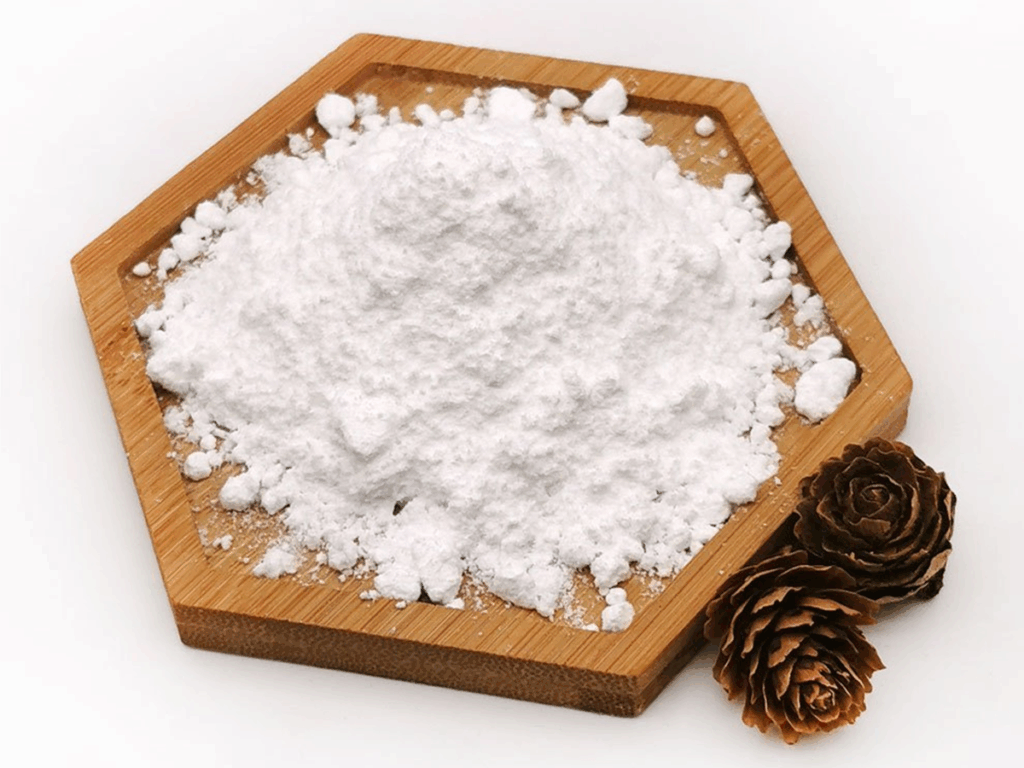
Calcium hydroxide is a strong alkaline ingredient added to hair removal creams to set the formula’s pH at the level needed for hair breakdown. It helps open the hair cuticle and swell the hair shaft, so the active ingredients can reach the hair structure faster. It also supports the cream’s texture by helping some thickeners and emulsifiers work in a stable way.
Benefits
- Sets The Right Alkaline Environment: Calcium hydroxide brings the formula into the pH range where depilatory actives can work as intended. For your product, that means more predictable removal speed during lab timing and user trials.
- Improves Hair Softening Efficiency: By swelling the hair and loosening the outer layers, it lets the active penetrate more evenly through different hair thicknesses. This helps you reduce patchy results, which is a common complaint in poorly balanced creams.
- Supports Formula Stability: Calcium hydroxide can help keep the cream stable over shelf life by keeping pH steady and supporting the function of other base materials. For your brand, this lowers the risk of performance drift between fresh samples and stored batches.
Potential Side Effects
- Higher Irritation Risk At Excess Levels: If the pH goes too high, skin can feel hot, sting, or turn red, even if the active level is correct. That can lead to returns or negative feedback, so your pH target and buffer system need tight control.
- Dry Or Rough After-Feel: Alkaline systems can strip some skin moisture during use, leaving a tight feel after rinse-off. If your buyers focus on comfort claims, you will need to pair it with skin-conditioning agents and confirm feel in tests.
Takeaway
Calcium hydroxide is the pH driver that lets hair removal creams work on schedule, so your pH plan around it affects both speed and safety. Use controlled dosing and clear pH testing to keep performance strong without pushing skin comfort too far.
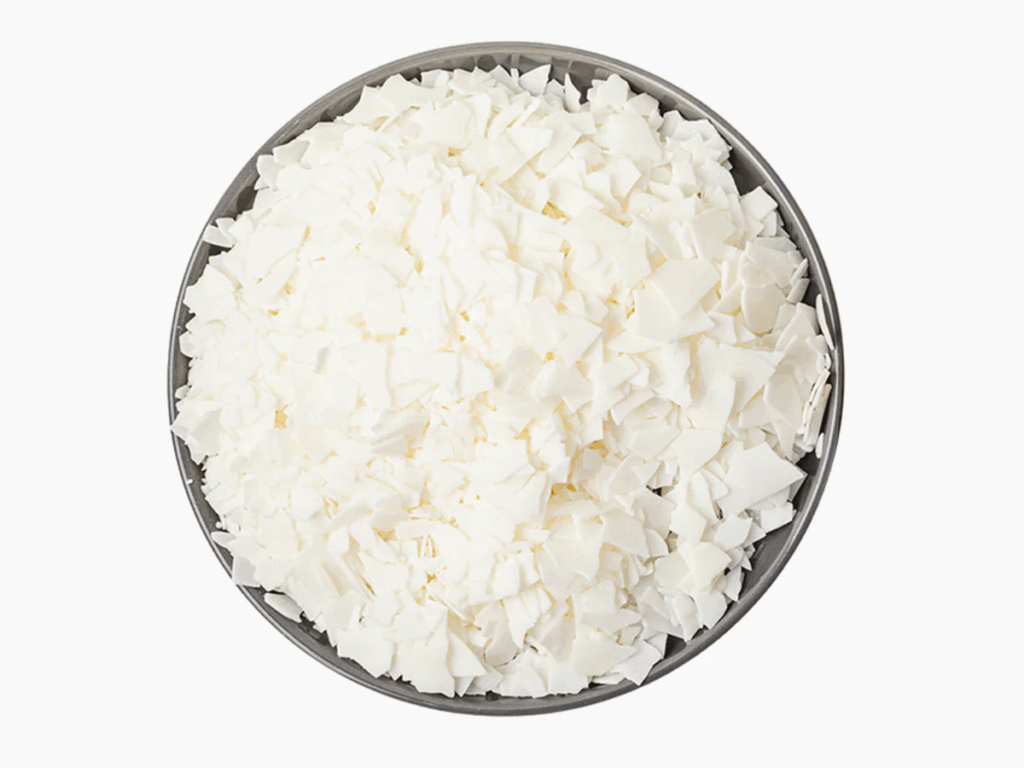
3. Cetearyl Alcohol
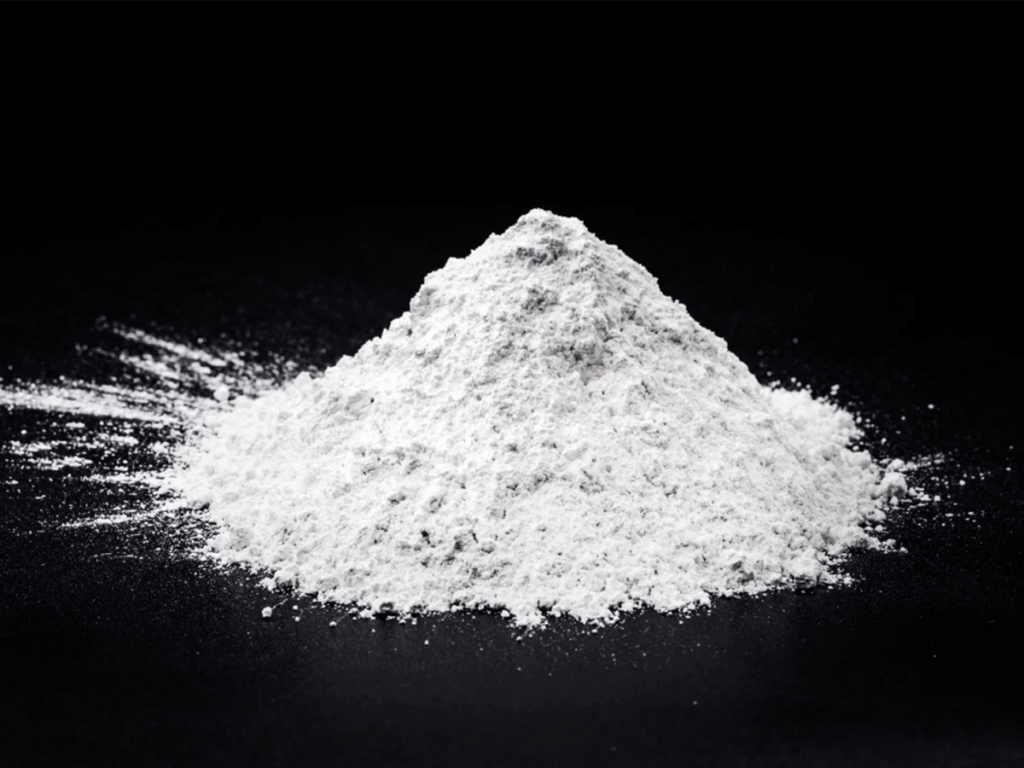
Cetearyl alcohol is a fatty alcohol used to thicken hair removal creams and give them a smooth, rich feel. It helps form a stable cream structure so the product stays even in the tube and spreads without running. It also supports emulsions, keeping oil and water phases mixed over storage. Since it is not a drying alcohol, it can add a soft, cushioned skin feel during and after use.
Benefits
- Builds A Creamy, Stable Texture: Cetearyl alcohol gives your formula body and helps prevent thin or watery separation in hot or cold storage. That keeps your product looking consistent for buyers and reduces complaints about texture changes.
- Improves Spread And Coverage: It helps the cream glide across skin in a controlled way, so users can apply a full, even layer. For your brand, better coverage supports more even hair removal results with fewer repeat passes.
- Adds A Softer Skin Feel: Cetearyl alcohol leaves a light, conditioning layer that can reduce the “dry rinse” feeling common in alkaline products. This supports comfort-focused positioning for sensitive-skin or body-care lines.
Potential Side Effects
- Heavy Feel If Overused: At high levels, it can make the cream feel waxy or slow to rinse, which some markets do not like. That can hurt your user experience score even if hair removal performance is fine.
- Possible Sensitivity In Rare Cases: Most users tolerate it well, but a small group may react with mild irritation. For business buyers, this means routine patch testing and clear labeling still matter.
Takeaway
Cetearyl alcohol is a key structure and feel builder, helping your cream stay thick, stable, and pleasant to apply. Keep its level matched to your target texture so you get smooth spread without making the product feel too heavy.
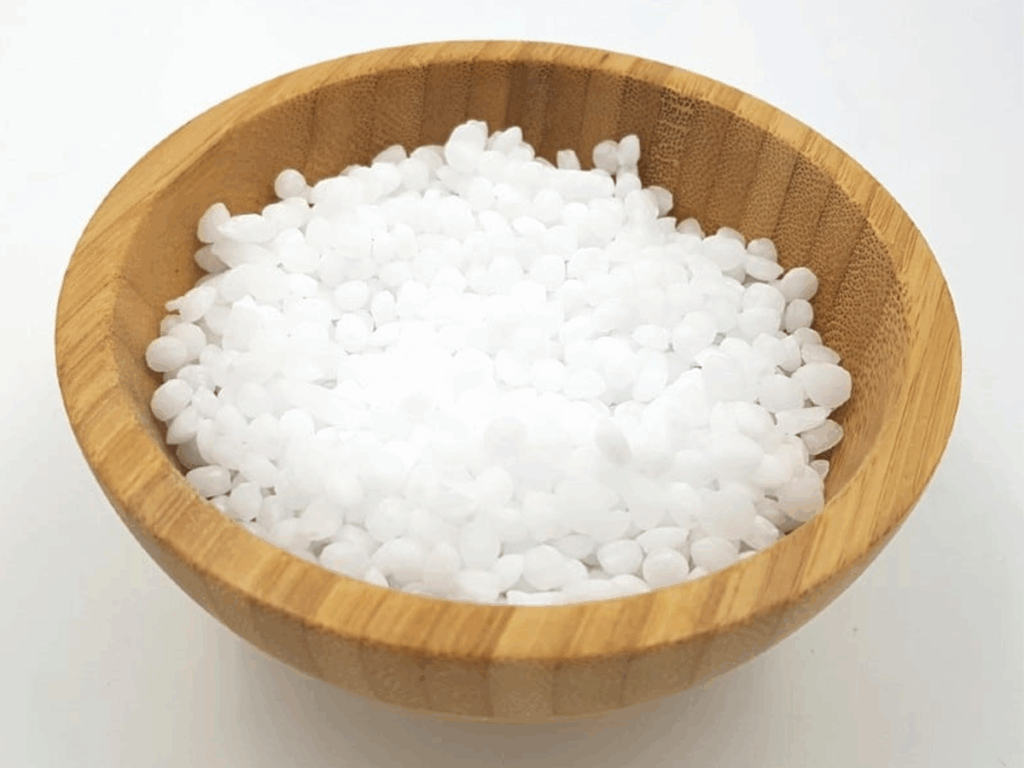
4. Mineral Oil (Paraffinum Liquidum)
Mineral oil is an inert, skin-softening oil used in hair removal creams to improve glide and reduce dryness. It forms a light barrier on skin, helping limit moisture loss during the removal process. It also supports the cream’s slip, making application and wiping easier. Because it is very stable, it can help your formula keep a steady feel over time.
Benefits
- Boosts Application Slip: Mineral oil helps the cream spread smoothly and stay workable while users apply it. For your product, this reduces drag and supports a more even layer on skin.
- Reduces Dryness During Use: It creates a gentle occlusive layer that can lessen the tight feeling caused by alkaline systems. That helps you offer better comfort without changing the active removal system.
- Improves Shelf And Texture Stability: Mineral oil does not oxidize easily, so it holds its feel and performance in storage. This supports longer shelf life and keeps your batches consistent for buyers.
Potential Side Effects
- Greasy Residue If Not Balanced: If the oil phase is too high, users may feel a slick film after rinse, which can lower product satisfaction. You will need to tune the oil level and emulsifier system to avoid that.
- Not Ideal For All Skin Types: Some users with very oily or acne-prone skin may feel clogged or uncomfortable. If your target market includes these users, consider lighter emollient blends or clearer usage notes.
Takeaway
Mineral oil is a simple way to add slip and comfort, especially in formulas that can feel drying. Use it in a balanced oil phase so you support skin feel without leaving a heavy finish.
At TY Cosmetic, we use mineral oil when a hair removal cream needs better glide and a softer rinse feel. Our team has seen that the right oil level can calm the dry feel that often comes with alkaline depilatory bases. We adjust mineral oil together with emulsifiers and thickeners so the cream stays smooth, stable, and easy to wipe without leaving a heavy film.
If you want to fine-tune skin feel or texture for your next depilatory SKU, share your target market and we can suggest a workable oil balance.
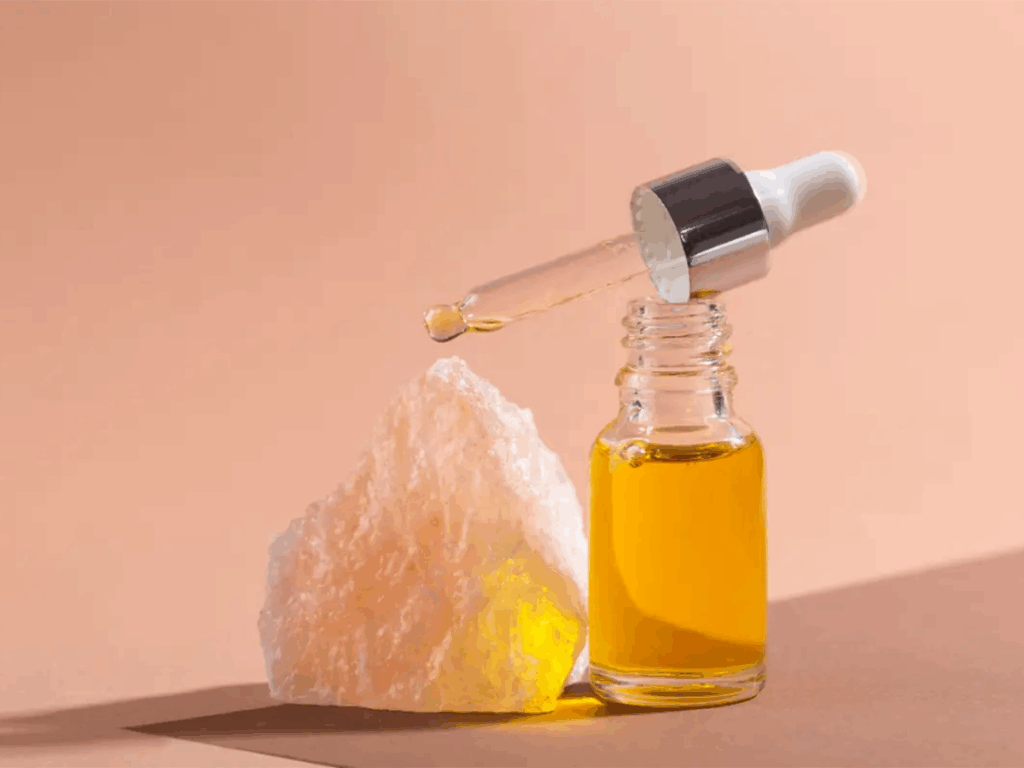
5. Ceteareth-20
Ceteareth-20 is a non-ionic emulsifier that helps oil and water stay mixed in hair removal creams. It supports a smooth, uniform cream so actives and comfort agents spread evenly on skin. It also helps control viscosity by stabilizing the emulsion structure. Because it is a workhorse emulsifier, it is common in depilatory bases that need stable texture through heat and transport.
Benefits
- Keeps Oil And Water Fully Combined: Ceteareth-20 prevents phase split, so your cream stays uniform from first squeeze to last. That protects your brand image since buyers judge stability quickly.
- Improves Even Active Delivery: A stable emulsion helps actives coat skin in a consistent layer, which reduces missed spots. For your product, this supports more reliable performance in user trials and repeat orders.
- Supports A Clean, Smooth Rinse: It helps oils disperse during wash-off, reducing leftover residue. That can lift your user experience without changing the active system.
Potential Side Effects
- Irritation In Very Sensitive Users: Most users tolerate it, but some may feel mild irritation, especially in high-pH products. If you sell to sensitive-skin brands, keep levels moderate and confirm tolerance in testing.
- Texture Issues When Under-Dosed: If the emulsifier level is too low, cream can feel uneven, grainy, or separate during storage. That creates quality risk for you, so stability checks should cover both fresh and aged batches.
Takeaway
Ceteareth-20 is the emulsifier that keeps your cream uniform, which supports both performance and look through shelf life. Set its level based on your oil load and stability tests so the product stays smooth and easy to rinse.
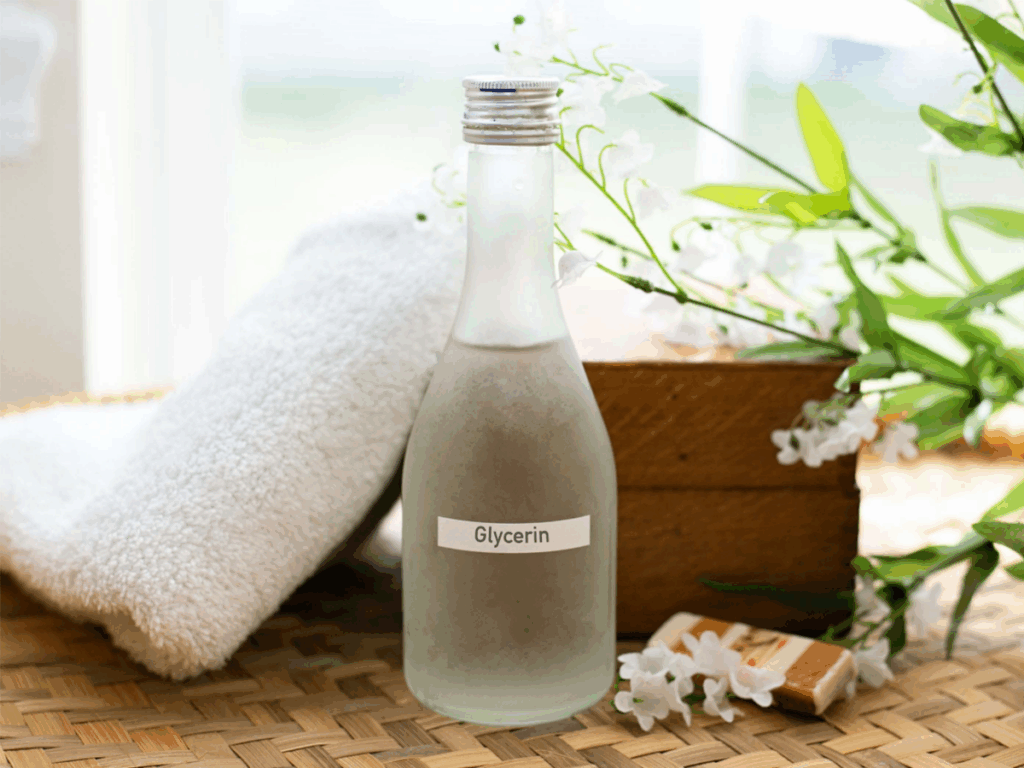
6. Glycerin
Glycerin is a humectant that pulls water into the upper skin layers, helping offset the drying feel that can come with depilatory creams. It also improves slip, so the cream spreads more evenly and stays comfortable during the wait time. In the formula, it supports a smooth, flexible texture by keeping the water phase from feeling “thin” or sharp. Because it is widely tolerated, it fits well into many market targets, including comfort-led lines.
Benefits
- Improves Skin Comfort During Use: Glycerin helps the cream feel less harsh on skin while the active system is working. For your brand, this can lower consumer complaints about tightness or rough feel after rinse.
- Helps Maintain A Consistent Cream Feel: It adds body to the water phase, which supports a more even, creamy spread on skin. That makes your application experience more reliable across batches.
- Supports Broad Market Positioning: Glycerin is familiar to many buyers and works in both value and premium formulas. This lets you offer comfort claims without needing complex add-ons.
Potential Side Effects
- Sticky Feel At High Levels: Too much glycerin can leave a tacky finish, especially in warm climates. If buyers dislike that after-feel, it can hurt repeat orders even when removal works well.
- Pulls Moisture In Very Dry Air: In low-humidity settings, humectants can draw water from deeper skin layers instead of the air. For sensitive-skin lines, you may need to pair it with richer emollients to keep feel balanced.
Takeaway
Glycerin is a simple but valuable comfort builder that helps your depilatory cream feel better on skin and spread more smoothly. Keep its level tuned to your target after-feel so you gain softness without adding stickiness.
7. Carbomer
Carbomer is a polymer thickener that forms a gel network when neutralized, giving hair removal creams their stable viscosity. It helps the product stay where users apply it, instead of running or thinning at body temperature. Carbomer also supports uniform look and reduces phase movement during storage. Because it reacts to pH and salts, your formula design has to consider how it behaves in an alkaline depilatory base.
Benefits
- Creates Strong, Controlled Thickness: Carbomer lets you set a clear viscosity target, from lotion-like to dense cream. For your line, that helps match texture to different body-area uses and market preferences.
- Improves On-Skin Hold: The gel structure helps the cream stay in place during the waiting period. This supports steady removal results since the active stays in contact with hair evenly.
- Gives A Smooth, Clean Appearance: Carbomer helps avoid a grainy or separated look, even after storage. Buyers often judge quality by first squeeze, so this adds value to your presentation.
Potential Side Effects
- Texture Instability If Neutralization Is Off: If the neutralizer balance is wrong, carbomer can clump or lose thickness over time. That can lead to batch inconsistency, so your pH and mixing steps need close control.
- Can Feel Filmy In Some Builds: In certain formulas, it may leave a slight drag or film after wipe-off. If your buyers want a very light rinse feel, you may need to adjust the thickener blend.
Takeaway
Carbomer is the main tool for giving your hair removal cream a stable, stay-put texture that looks and feels consistent. Its performance depends on neutralization and process control, so treat those steps as key quality points.
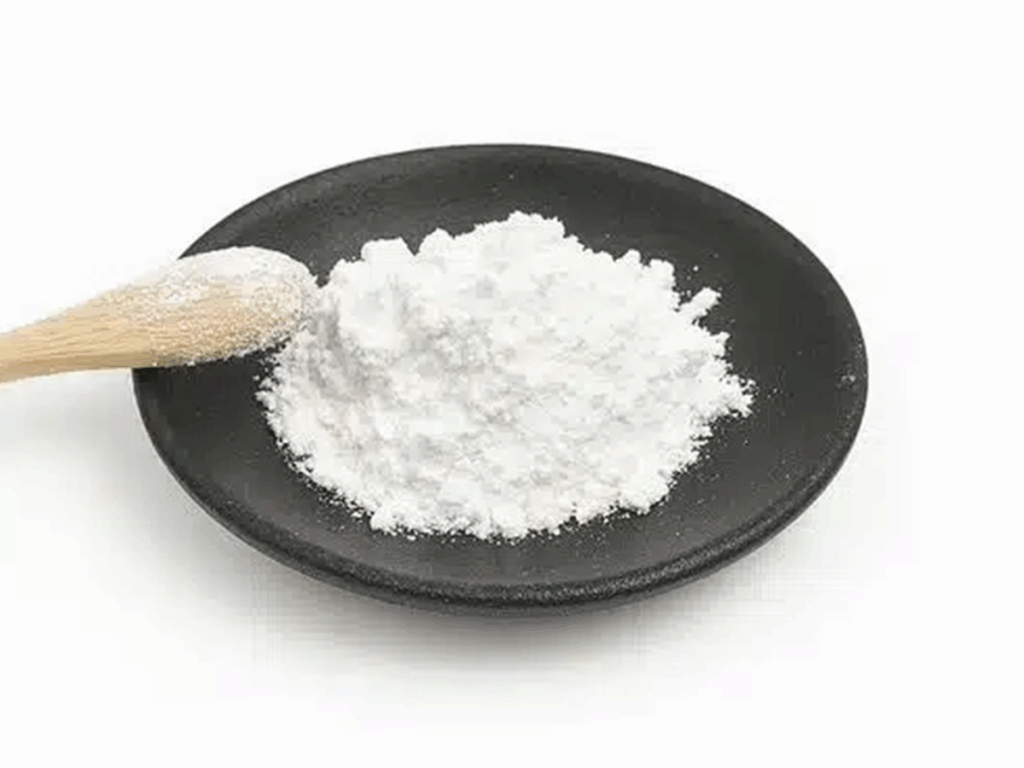
8. Disodium EDTA
Disodium EDTA is a chelating agent that binds metal ions like iron or copper found in water or raw materials. By tying up these ions, it helps protect the formula from slow color shifts, odor changes, or active loss during storage. It also improves preservative function by removing metals that can support microbial growth. In depilatory creams, this helps keep performance steady from first batch to end of shelf life.
Benefits
- Improves Long-Term Formula Stability: Disodium EDTA reduces the chance that trace metals will trigger product changes over time. For your brand, this supports fewer stability failures when shipping or storing in hot regions.
- Protects Color And Odor Quality: Metal ions can push unwanted discoloration or off-smell during shelf life. EDTA helps keep your cream looking and smelling closer to what buyers approved in samples.
- Supports Preservative System Performance: By binding metals that help microbes thrive, it boosts preservative efficiency. That can help you meet safety targets with less risk of overloading preservatives.
Potential Side Effects
- Not A Functional Benefit Buyers Can Feel: EDTA works in the background, so buyers may question its value if they focus on “short label” goals. If your client wants a minimal formula, you may need to explain its stability role clearly.
- Regulatory Or Market Preference Limits: Some markets and brands try to reduce EDTA due to environmental concerns. If that is important for your buyer, consider alternative chelators and re-test stability carefully.
Takeaway
Disodium EDTA keeps your formula stable by blocking metal-driven changes that can hurt color, odor, and results. It is a small add that protects shelf performance, so keep it or replace it only with full stability proof.
At TY Cosmetic, we include disodium EDTA in depilatory creams when brands need steady color, odor, and shelf results across long shipping cycles. Our lab sees that even small metal traces in water or plant extracts can shift a formula over time, so we treat chelation as part of real stability control. We test EDTA levels with the full preservative system and the active base, so your batches stay consistent from pilot to bulk.
If your market has label limits or EDTA concerns, talk with TY Cosmetic and we can review safer chelator options with full stability testing.
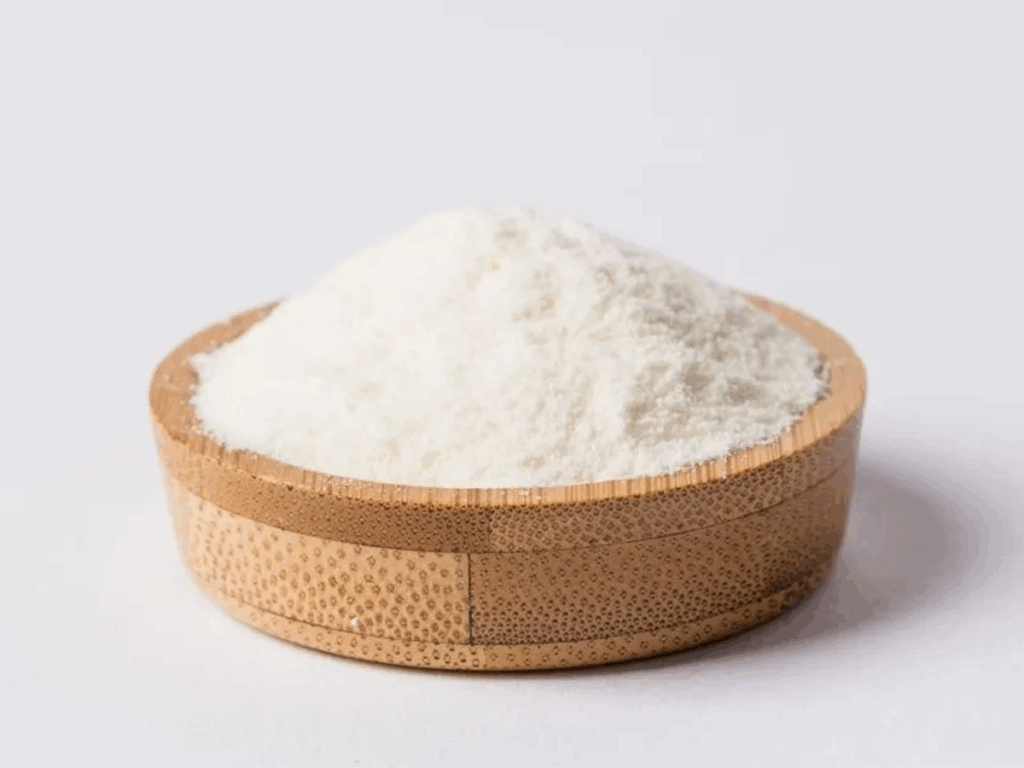
9. Parfum (Fragrance)
Parfum is the fragrance blend used to shape the scent of hair removal creams and reduce the natural chemical odor from depilatory reactions. It helps make the product more acceptable during use, especially in close-contact areas like underarms or bikini lines. Fragrance also supports brand identity by giving your cream a clear sensory style that buyers can recognize.
Benefits
- Improves User Acceptance During Use: A well-chosen parfum helps soften or cover the sulfur-like odor that can appear during hair breakdown. For your product, this can raise satisfaction even if performance is unchanged.
- Strengthens Brand Sensory Identity: Scent is one of the fastest ways buyers remember a product line. If your buyers want a signature feel, fragrance gives you that extra layer of product “personality.”
- Supports Market-Specific Positioning: Different regions prefer different scent styles, from fresh to floral to low-scent. This lets you adjust the same base formula for multiple markets without changing core performance.
Potential Side Effects
- Skin Sensitivity In Some Users: Fragrance is a common trigger for irritation in sensitive groups. If your buyer targets sensitive-skin claims, you may need low-allergen options or fragrance-free variants.
- Stability Or Color Shift Risk: Some fragrance blends can shift smell, color, or clarity in high-pH systems over time. You should run aging tests early so buyers do not face surprises after launch.
Takeaway
Parfum is your main tool for controlling the product smell and shaping how the cream feels as a brand experience. Pick blends that mask odor well in alkaline bases and confirm tolerance and stability before you lock the final scent.
10. 3 Factors To Consider When Choosing The Right Hair Removal Cream Ingredients
When you pick ingredients for a hair removal cream, you are really picking the kind of product your brand will become. We have seen good ideas fail because one small choice did not match the market or the test plan. This section helps you look at ingredients like a business builder, not just a formulator.
#1 Match Ingredients To Your Performance And Claim Goal
Start with what you want the cream to do in real use. If your claim is “fast removal,” you will need a system that works quickly but still feels safe on skin. If your claim is “gentle for sensitive areas,” you will need more skin-comfort support and tighter limits on strength and timing. When your claim and ingredient plan line up, your testing becomes clearer and your final product feels more honest to the market.
#2 Balance Skin Feel With The Alkaline System
Hair removal creams need an alkaline base to work, but that base can feel drying or sharp if it is not balanced. This is where comfort ingredients matter most. Add humectants and soft oils to reduce tightness during and after use, and test the after-feel the same way you test removal speed. Pay attention to texture too, because a cream that spreads unevenly can cause patchy results and more skin stress.
Fragrance can help with odor, but it must be chosen to stay stable in a high-pH base. When you treat skin feel as part of performance, you protect repeat buying and reduce complaint risk.
#3 Think About Stability, Compliance, And Scale Early
A formula has to stay steady from lab sample to bulk shipment. That means watching color, scent, thickness, and removal power over time and under heat. Ingredients like chelators, emulsifiers, and thickener systems may not sound exciting, but they guard product quality that buyers notice fast.
You also need to check the rule sets of your target regions and retailers, since some markets prefer certain ingredient limits or label styles.
Conclusion
We began with a lab moment where two creams looked alike but acted different. Now the reason is clear. The active removes hair, but the helpers decide how fast it works, how it spreads, and how skin feels after rinsing.
Stability ingredients also protect color and scent during storage. When you see the whole mix, you can plan products with fewer surprises.
Use what you learned here to guide your next formula brief or supplier talk. If you want a partner to build or adjust a depilatory cream that fits your market and claims, TY Cosmetic is ready to help. Contact us today!