












I remember meeting a founder who brought an early hair mask draft and looked unsure of every next step. They wanted to turn their idea into a real product but didn’t know where to begin.
If that sounds like what you’re facing now, you’re not alone.
At TY Cosmetic, we worked with many businesses who started with only a sketch or rough concept. We turn those ideas into tested, stable, and ready-for-market products, which gives us a clear view of what businesses need most.
This article will walk you through concept building, formula planning, testing, and production prep. What you came here to learn will be answered clearly.
Let’s take this one simple step at a time.
So, let’s get started!
1. Understanding the Hair Mask Market
Many businesses step into the beauty industry, especially the hair mask market, without a clear view of what buyers truly want. You need to understand your target users, the hair concerns they want to fix, and the product formats they trust. This helps you avoid guessing and create a product based on real needs. When you know the demand, you make better decisions from the start.
You should also look at trends in ingredients, textures, and claims within your market. This gives you insight into what customers prefer and what they may reject. Studying price levels and competitor positioning will also guide you in setting the right direction. With this groundwork, you can shape a product that fits your audience and stands a stronger chance of succeeding.
2. Planning the Hair Mask Formula
Before you begin building your formula, you need a clear direction. You should know the hair problems you want to solve, the texture you want to create, and the market level you want to target. This helps you make choices that match your customers and your budget. Here are the key points you need to plan before moving into development.
Define the Purpose of Your Hair Mask
A strong formula starts with a simple question: What result do you want your customers to feel and see? You should decide whether your mask focuses on moisture, repair, shine, or strength before you think about ingredients. This keeps your development grounded and prevents you from creating a formula that tries to do too much.
At TY Cosmetic, we work with brands at every stage of development, helping them turn early ideas into formulas that fit real market needs. We also guide clients through testing, adjustments, and production planning to keep the process simple and predictable. This hands-on support helps businesses build products that feel purposeful, effective, and ready for market.
If you need guidance choosing the right direction for your formula, our team is always ready to support you.
Choose the Right Base and Active Ingredients
Your base sets the texture, slip, and overall feel of the mask. You should decide early whether you want a rich cream, a light butter, or a more fluid conditioner-like texture. From there, you can pick actives that match your main benefit, such as oils for softness or proteins for repair. Each choice impacts stability, cost, and performance, so you want ingredients that support your final goal instead of working against it.
Balance Performance, Stability, and Cost
A formula that works well on hair still needs to stay stable on shelves and fit your budget. You should test how your blend holds up under heat, light, and time, because a great formula loses value if it separates or thickens too much. Your cost per kilogram also matters, especially when planning long-term production. Many B2B brands adjust their formula more than once to reach a point where performance and cost work together.
3. Choosing the Right Manufacturing Path
You have a few different paths to bring your hair mask idea to life, and each one fits a different stage of your business. You should choose based on your budget, timeline, and how much control you want over the formula. Here is a simple breakdown to help you compare your options:
| Manufacturing Path | Best For | What You Should Know | Pros | Cons |
| Private Label | Businesses who want fast entry to market | You select from ready-made formulas and focus on branding. | Quick production, lower cost, fewer steps to manage | Limited formula control, harder to stand out |
| Custom Formulation | Brands who want a unique formula direction that fits their concept | You work with the manufacturer to create the formula from scratch. | Full control, stronger brand identity, flexible claims | Longer development time, higher R&D cost |
| Contract Manufacturing | Businesses with their own formula ready to scale | You provide the formula, and the manufacturer handles production. | Keeps your formula ownership, stable large-batch output | Requires strong documentation and testing readiness |
TY Cosmetic supports businesses at every stage, whether you want a fast private label launch, a custom formula, or full contract manufacturing. Our team works with clear processes that help you move smoothly from planning to production. We guide brands through each choice so they understand the cost, timeline, and long-term impact of their decision.
If you’re ready to choose the path that suits your business, TY Cosmetic can support you from idea to finished product.
4. Safety, Testing & Regulatory Compliance
Before your hair mask reaches the market, it must be safe, stable, and approved for sale in your target regions. You need to understand the testing steps your product goes through and why each stage matters for your brand’s reputation. This section will help you see what to expect and how to prepare for it.
Proper Ingredient Review
You should begin by checking every ingredient against the regulations of your target market. Each region has its own rules about allowed percentages, restricted materials, and banned substances. This step prevents costly changes once the formula is already finished. When your ingredients are cleared from the start, the rest of the process becomes smoother.
Stability and Compatibility Testing
Your hair mask must stay safe and usable during its full shelf life, so stability testing is an important step. You should test how your formula reacts to heat, time, and different storage conditions to see if it shifts in texture, color, or smell. This helps you catch issues like separation or thickening before production.
Packaging compatibility tests also matter because the wrong container can affect the formula. When we help brands with these tests, we focus on spotting early signs of problems so the final product stays reliable for customers.
Meeting Documentation and Regulatory Requirements
Every region requires specific paperwork before a hair mask can be sold. You need items like safety assessments, test reports, ingredient breakdowns, and product information files. These documents show regulators that your product has been made responsibly and follows local rules.
Many brands underestimate how much time this step can take, which is why we guide clients through it from day one. When your documents are complete and organized, launching your product becomes far easier.
5. Packaging & Brand Appearance
Packaging shapes how buyers judge the quality of your hair mask long before they try it. You need a balance of practicality and visual appeal so the product looks good and performs well during transport and use. This section guides you through choices that help your brand stand out in a clear, honest way.
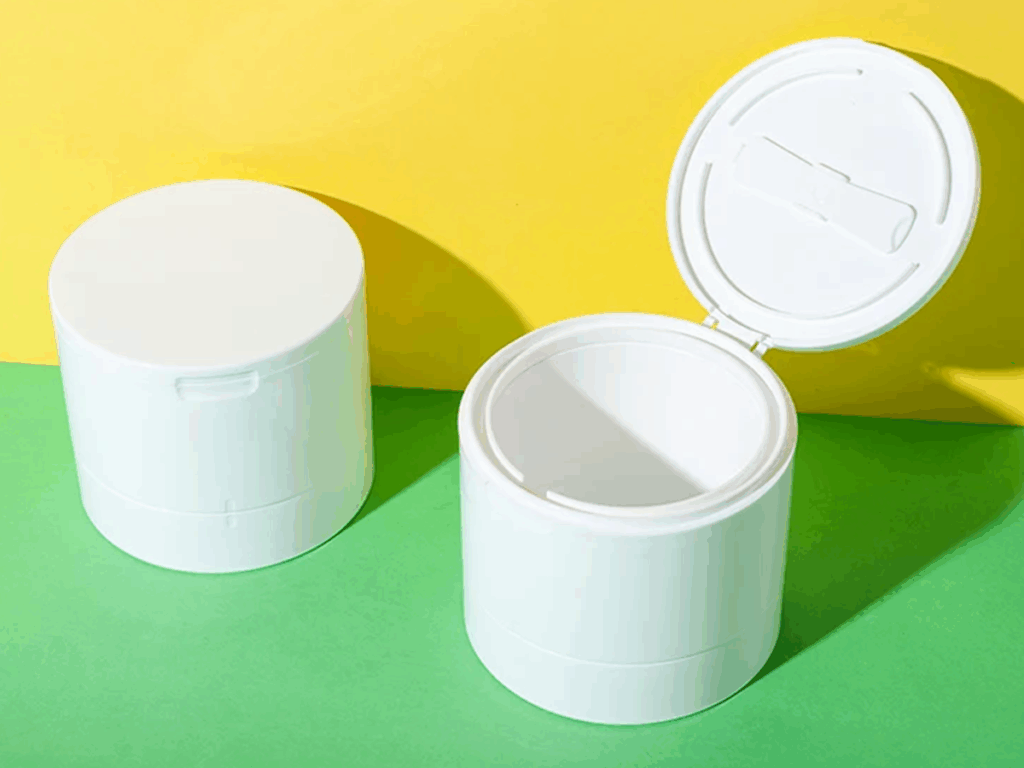
- Picking the Right Container Type: Think about the texture and thickness of your formula before choosing a jar or tube. The right container keeps the product easy to scoop, stable, and protected through its full shelf life.
- Matching Packaging With Your Market Level: Different price levels expect different looks, so choose materials and designs that fit the market you want to serve. This helps buyers understand where your product belongs and what they can expect from it.
- Making the Label Clear and Helpful: A label should explain the product’s purpose and how to use it without forcing buyers to guess. Simple, direct wording helps your product connect with both distributors and end users.
- Keeping the Design Consistent With Your Brand: Use colors, fonts, and layout styles that stay aligned across your full line. This creates a stronger brand identity and makes your product easier to recognize on shelves and online.
- Planning for Shipping and Storage Conditions: Choose packaging that handles warehouse heat, long transit, and general handling without damage. Stronger materials reduce product loss and keep your brand looking reliable to retailers and partners.
6. Setting Price & Profit Margins
Pricing shapes how your product fits into the market and how much you earn from each batch. You need a clear picture of your costs, your target customers, and the price levels your competitors follow. This section will help you build a price structure that supports steady growth instead of guesswork.
Understand Your Full Cost Breakdown
Start by listing every cost that goes into producing one unit of your hair mask. This includes raw materials, packaging, filling, labeling, testing, storage, and shipping. Many businesses only look at formula cost, but the hidden expenses often influence your final price more than expected. When you know your full cost clearly, you can set a price that protects your margin and supports your long-term plans.
Position Your Price for Your Target Market
Your pricing should match the market level you aim to serve, whether it’s mass, mid-tier, or premium. Buyers often judge a product by price before they read a label, so your number must feel right for the category. Study what similar products cost and see where your formula strength and packaging allow you to fit.
Some brands choose to price slightly higher to signal better quality, while others stay closer to average to speed up volume sales. A clear position helps distributors and retailers understand where your product belongs.
Build a Profit Margin That Supports Growth
Your margin needs to cover operating expenses and still leave enough room for future expansion. Consider the margins required by resellers if you plan to work with distributors or retail partners, because each layer takes a percentage. A healthy margin also gives you space for promotions, samples, and marketing without hurting your cash flow.
7. Scaling to Market Success
Once your product is ready, you need a plan that helps you grow in a steady and realistic way. Scaling is more than increasing order sizes, it’s about building systems that support long-term progress. This section will help you understand the steps that guide your business from small batches to a stable presence in the market.
Strengthen Your Supply Chain Before You Grow
A reliable supply chain keeps your business running even when demand increases. You should confirm that your manufacturer can handle larger batch sizes, faster timelines, and consistent ingredient access.
TY Cosmetic supports businesses by offering steady production capacity and access to reliable raw material sources. Our team works closely with suppliers to keep ingredient availability stable even during high-demand seasons. We also maintain clear communication with clients so they always know what to expect during each production cycle.
If you want a partner who can grow with you at every stage, TY Cosmetic is here to support you.
Improve Production Efficiency With Clear Systems
As your orders rise, your process needs to stay organized and predictable. You should document your formula steps, packaging requirements, and quality checks, so every batch meets the same standard. Clear systems reduce errors and make it easier for your manufacturer to scale with you. These small steps make expansion smoother and safer for your product line.
Build Strong Partnerships With Distributors and Retailers
Scaling often depends on who you work with, not just how much you produce. Good distributor relationships help you reach more stores, salons, and regional markets without carrying the full sales burden yourself. You should share clear pricing, order terms, and product information so partners can promote your line confidently.
Track Market Feedback and Adjust as You Grow
Once your hair mask is on shelves, real user feedback becomes one of your best tools. You should track comments from retailers, salons, and online buyers to spot patterns in performance and expectations. This lets you improve your formula, packaging, or marketing before small issues turn into bigger problems. Adapting with intention helps your product stay competitive as you expand.
Conclusion
Remember that founder who came in unsure of what to do next? Their project grew once they understood the market, the formula, the price, and the steps needed to launch.
You now have that same roadmap in your hands. Each section of this article connects to the next, giving your business a clear way to move from idea to success.
Use what you learned here to plan your next move with more confidence.
If you want a partner who can guide you through development and production, TY Cosmetic is ready to support you. Contact us today!