












I often meet brand owners who feel unsure about where to start with the deodorant manufacturing process. You may feel the same when you try to plan a new product or improve what you already sell.
This is a normal step because deodorant production has many parts, and each one affects the final result.
At TY Cosmetic, we guide brands through every stage of development. We work with skincare brands, spas, and start-ups, and we know what works because we make these products every day.
In this guide, you will learn the types of deodorant, how the deodorant spray manufacturing process works, and what happens inside a full production line. By the end, you will have the clarity you came for.
Let’s walk through this together so you can move forward with confidence.
Now, let’s begin!
1. Types of Deodorants: Formats & Formulation Differences
Many brands ask us which deodorant format works best before starting development. We understand why. Each type has its own feel, cost, and formulation needs. When we guide you through product planning at TY Cosmetic, we always match the format to your brand goals and your target user.
Here is a clear table to help you see the differences:
| Type | Texture / Form | Main Ingredients | Key Formulation Notes | Packaging Needs | Best For |
| Roll-On | Liquid or gel | Water, humectants, mild actives | Needs stabilizers to prevent separation | Ball applicator bottle | Everyday use, spa retail |
| Stick | Solid balm | Waxes, butters, oils | Needs controlled heating and cooling | Twist-up tube | High-demand retail products |
| Spray / Aerosol | Fine mist | Alcohol, fragrance, antibacterial agents | Requires propellants and pressure-safe formula | Aluminum can, special valve | Quick-dry products, large markets |
| Cream | Soft cream | Emollients, mild actives, humectants | Needs good emulsifiers | Tubes or jars | Sensitive-skin lines |
| Gel | Smooth gel | Water, thickener, cooling agents | Must prevent watery texture | Roll-on or squeeze tube | Fresh-feel products |
| Natural / Aluminum-Free | Varies | Magnesium, starches, plant extracts | Stability can shift with natural actives | Sticks, jars, paper tubes | Clean beauty brands |
| Antiperspirant | Stick or spray | Aluminum salts | Must meet OTC rules in some regions | Same as deodorant formats | Sweat-control demands |
These formats may look simple, but each one needs the right mix of ingredients and equipment. When you choose a format, think about your audience, your cost plan, and your brand style. We help you match all three so your product stays stable and performs well. With a clear understanding of the options, you can move forward with more confidence.
2. Key Ingredients Used in Deodorant Formulations
When you build a deodorant formula, each ingredient has a clear role. Some ingredients control odor, while others shape the texture or keep the product stable. We look at ingredients in simple groups so you can see how each part works in your own product.
Odor Control Ingredients
Odor control is the main function of a deodorant, so this group is important. These ingredients help slow down the bacteria that cause an underarm smell. Brands often choose between mild acids, zinc salts, or plant-based ingredients.
Each option has a different strength level and skin feel. When you pick one, think about your target user and the type of deodorant you plan to make.
Moisturizing and Skin-Soothing Ingredients
Many brands add moisturizers to improve comfort on the skin. These can include oils, butters, or humectants that help keep the underarm area soft. They also reduce irritation, especially in natural formulas or products with active ingredients. Hydration levels can change the final texture, so your formula needs the right balance. This is why early testing matters.
Absorbent and Sweat-Handling Ingredients
Absorbents such as starches, clays, and magnesium powders help manage moisture. They do not stop sweat, but they make the underarm feel drier. These ingredients work well in natural and aluminum-free deodorants.
They can affect texture, so they need even blending during production. Your final choice depends on whether you want a soft, smooth feel or a drier, powdery finish.
Structuring Ingredients (Waxes, Thickeners, and Gelling Agents)
These ingredients give the deodorant its shape. Sticks need waxes. Gels need thickeners. Roll-ons need stabilizers that keep the formula consistent. The balance decides whether your product feels firm, soft, or silky. This part of the formula also decides how your deodorant holds up in heat or cold, so it’s an important step in development.
Fragrance and Sensory Ingredients
Fragrance is one of the first things your customers notice. You can choose essential oils or cosmetic-grade fragrance blends. Each option comes with its own stability needs and safety rules. Sensory additives, like cooling agents, can also change how your product feels on the skin. When you choose a scent, think about staying power, user comfort, and regional compliance.
At TY Cosmetic, we help brands choose the right ingredient set based on performance, cost, and market position. This saves you time during development and gives your formula a stronger start. If you want clarity on which ingredients fit your product goals, you can ask us for guidance at any stage.
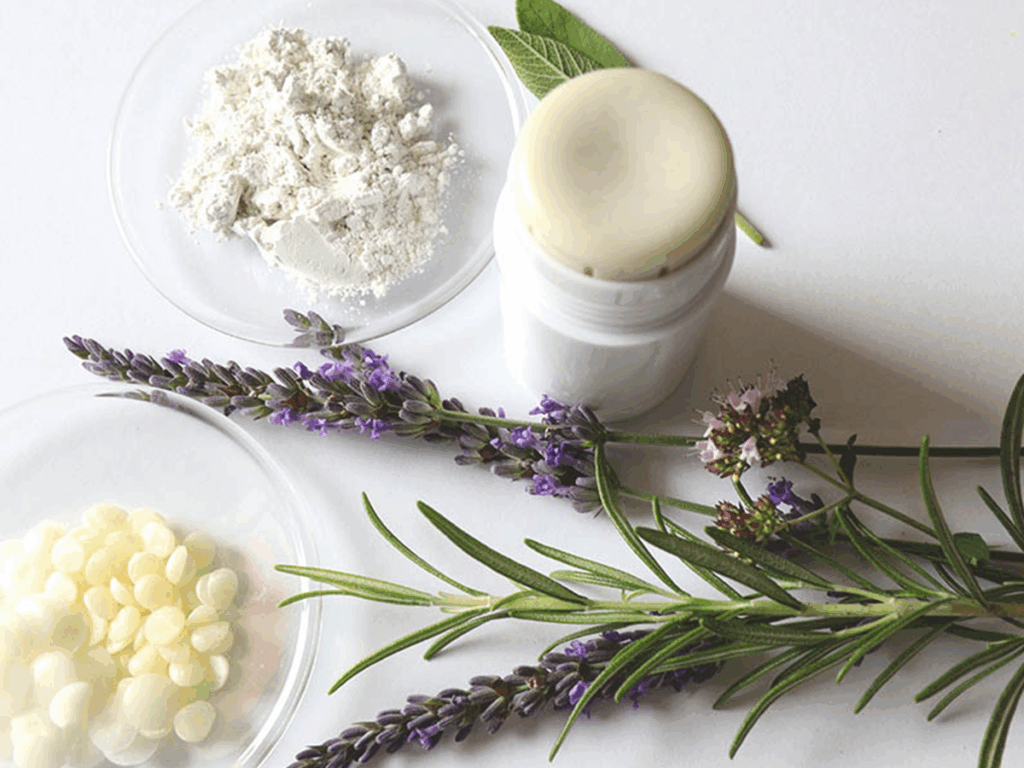
3. The Deodorant Manufacturing Process (Step-by-Step)
The deodorant manufacturing process has many parts, but each step has a clear purpose. When we walk brands through a new project, we make sure you understand what happens behind the scenes and what each stage means for your product. This helps you plan your timeline, your cost, and your expectations.
Step#1 Formula Planning and Lab Development
Every deodorant starts with a formula plan. You choose the type of deodorant, the feel you want, and the actives you need. We use these details to prepare small lab samples. These samples help you see texture, scent, and performance before moving forward. This step also shows how the ingredients behave together. It is the point where you confirm the product’s direction.
Step#2 Ingredient Preparation and Weighing
Once the formula is approved, each ingredient is weighed with care. Accuracy matters because even small changes can affect stability or texture. Some ingredients need melting, and others must stay cool. We prepare them in separate phases, so the mix stays clean and consistent. By doing this, you reduce errors later in the batch.
Step#3 Mixing and Homogenization
This is where the formula comes together. Sticks need heated mixing, while roll-ons and gels use a cooler process. We blend the ingredients in the right order to keep the texture smooth. Homogenization helps break down particles and gives the formula an even finish. At this stage, we also check the batch for air bubbles, lumps, or separation. Each formula has its own mixing speed and time.
Step#4 Filling and Cooling
After mixing, the product moves to filling. Sticks are poured while warm and need time to cool and harden. Roll-ons and creams are filled at lower temperatures to protect their structure. Spray formulas need pressure-safe filling lines. Cooling must stay controlled, so the final texture stays stable. A small shift in temperature can change how the product looks or feels.
Step#5 Quality Checks and Final Packaging
The batch goes through a series of checks before it moves to packaging. We look at texture, color, scent, and stability. Each format has its own standards. After approval, the product is filled into its final containers and labeled. The packaging stage also checks for leaks, weight accuracy, and seal strength. This step makes sure your product is ready for shipping and retail use.
4. Regulatory Requirements for Deodorant Manufacturing
Regulations help keep your deodorant safe, stable, and ready for the market you serve. We guide many brands through these rules because they can feel unclear when you are building a product for the first time. With a simple breakdown, you can see what matters most and plan your formula with confidence.
- Product Classification Rules: Each region classifies deodorants in its own way. Some treat antiperspirants as over-the-counter drugs, while deodorants stay in the cosmetic category. Knowing this early helps you plan labels and claims.
- Ingredient Safety Standards: Your formula must meet safety rules for each market. This includes restricted ingredients, allowed levels, and banned substances. A small change in one ingredient can shift your compliance path.
- Labeling and Claims Requirements: Labels must follow clear rules, including INCI names, net content, and safe-use warnings. You also need to make sure your claims are truthful and supported. Words like “24-hour protection” or “natural” must match the real performance.
- Stability and Microbial Testing: Every product needs testing to confirm it stays safe and stable over time. These tests check how your deodorant handles heat, cold, and long storage. Testing also helps you avoid separation, color change, or scent loss.
- Packaging and Safety Standards: Your packaging must protect the formula and meet regional rules. Aerosol products need pressure testing, and all formats need secure seals. These steps reduce the risk of leaks, damage, or contamination during shipping.

5. Choosing the Right Deodorant Manufacturer
Not every manufacturer works with all deodorant formats. Some focus on sticks, others on roll-ons or sprays. You should choose a partner who already understands the texture, feel, and stability needs of your product. This lowers risk and speeds up development. It also helps you avoid long rounds of reformulation.
Check Their R&D and Testing Capabilities
Strong R&D support makes your project smoother. You want a team that can guide your formula and offer clear feedback. Stability and performance testing are also important because they show how your deodorant will hold up over time. Ask your partner how they test each batch. This tells you how prepared they are for long-term production.
Understand Their Production Capacity and Lead Times
Production capacity decides how fast your product can move from sample to market. Some manufacturers can handle small batches, while others focus on large runs. You should also look at lead times and check if they match your schedule. A clear plan helps you avoid delays. It keeps your launch steady and predictable.
Choose a Partner Who Communicates Clearly
Good communication makes the whole process easier. You want a partner who shares updates, explains each step, and helps you make smart choices. This is where TY Cosmetic stands out, because our daily work with brands gives us a clear sense of what you need at each stage.
We support you with direct, practical guidance so you don’t feel lost in the process. If you want help choosing the best path for your deodorant project, you can reach out to us anytime.
Conclusion
You may remember how many brands told me they felt unsure about where to start with deodorant development.
Now you’ve seen the full process, from types of deodorants to testing and rules. You also understand why each step matters.
This gives you a clearer path forward and a way to plan your own product with confidence. Your next move is to choose a partner who understands your needs and supports your goals.
At TY Cosmetic, we guide you through each step and help you make smart choices. Contact us today!