












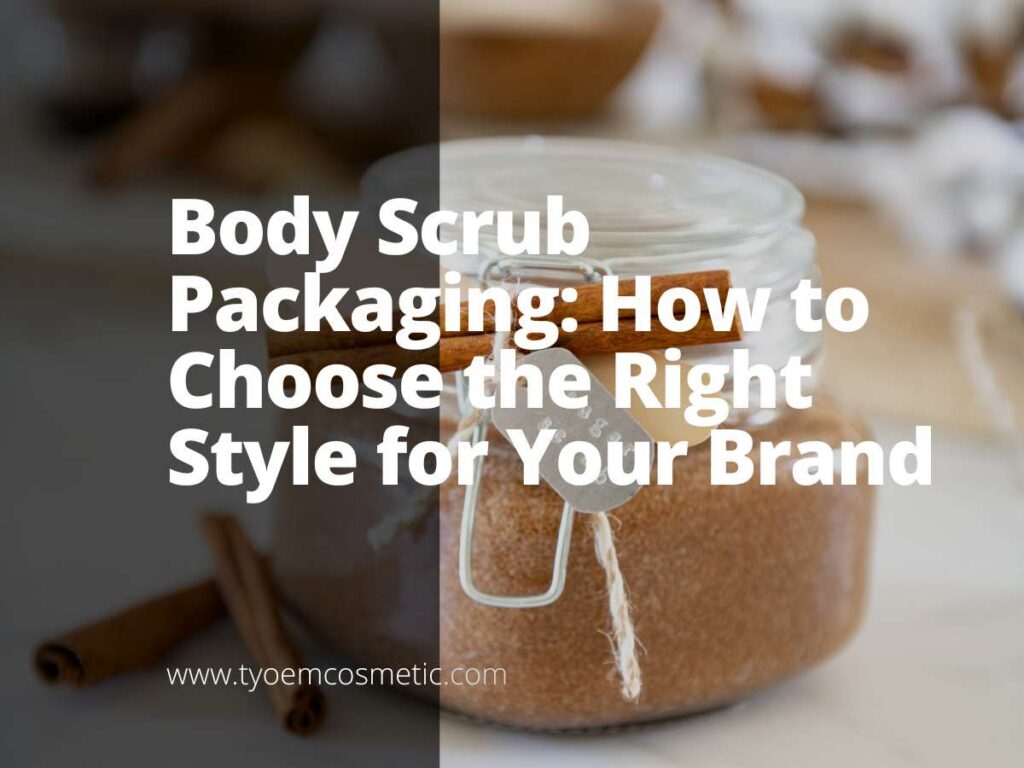
Last year, a client had a body scrub that felt rich and smooth, but the jar looked cheap and arrived cracked. We had to change the packaging so it matched the product and shipped safely.
That case showed me one simple thing. Packaging is a big part of how buyers judge your brand before they try the scrub.
At TY Cosmetic, we help cosmetic businesses choose and produce body scrub packaging every day. We test what works for filling, sealing, shipping, and shelf display, so our review comes from real production.
In this article, you will see the main packaging styles for body scrubs and what each one is best for. By the end, you will know how to pick a style that fits your brand, budget, and product texture.
If you want your scrub to look right, feel right in the hand, and stay safe in transit, the package choice matters. Let’s go through the options in a clear way.
So, let’s get started!
1. Importance of Choosing the Right Body Scrub Packaging
Choosing the right body scrub packaging matters because it shapes how stores, distributors, and other business buyers see your brand at first glance. If your jar or tube feels cheap, bulky, or messy, they may doubt your product before they even open it. The package also signals your price level and target market, so it needs to match the kind of buyer you want.
Packaging is also a business decision that affects your costs and daily operations. A poor choice can lead to leaks, cracks, or hard-to-handle units during filling and shipping. That can cause returns, delays, and extra work for you and your partners. A smart packaging fit helps your scrub move through production and logistics with fewer problems.

2. Types of Packaging Materials
Packaging material matters as much as the format because it affects cost, shelf look, and product safety. Some materials handle salt, sugar, and oils better than others. This simple table shows what each material is best for.
| Material | Common formats | Good points for your brand | Limits to think about |
| PET plastic | Clear jars, bottles | Clear, neat look, good shelf appeal | May crack with some oils or strong scents |
| PP plastic | Jars, caps | Tough, heat-safe, good for thick scrubs | Not as clear, more basic look |
| PE plastic (HDPE/LDPE) | Tubes, squeeze bottles | Flexible, easy to squeeze, lower cost | Can bend or warp if too thin |
| Acrylic / PMMA | Premium jars | Very glossy, high-end feel | Higher cost, can crack if dropped |
| Glass | Jars | Premium weight, strong barrier | Heavy, breaks easier in shipping |
| Aluminum | Tubes, some jars | Blocks light and air, modern feel | Can dent, may need inner coating |
| Multilayer film | Pouches, refill packs | Light to ship, saves space | Needs strong seals, barrier must match formula |
| Paper / bioplastic blends | Outer jars, refill systems | Supports low-plastic look | Often needs inner liner for oil and moisture |
At TY Cosmetic, we support cosmetic businesses with body scrub packaging across all the materials listed above. You can choose clear plastics, sturdy opaque plastics, premium outer jars, metal tubes, glass, or flexible refill films based on your product plan. We help you compare how each material fits your scrub texture, oil level, shipping needs, and shelf goals.
If you want samples or a short material match review, reach out and tell us your scrub type and target channel.
3. Different Packaging Formats for Body Scrubs
Body scrub packaging comes in a few main formats, and each one sends a different message about your brand. The right choice depends on your scrub texture, where you sell, and how you want business buyers to position your product. Here are the formats you will see most often, with clear pros and trade-offs for your line.
Wide-Mouth Jars
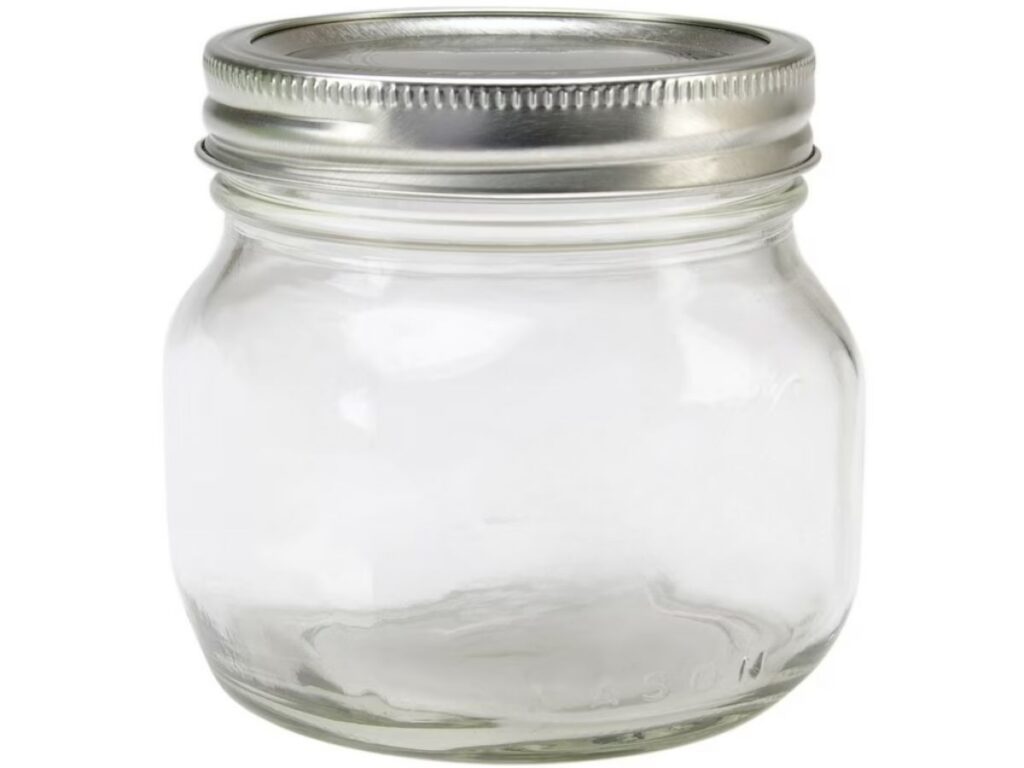
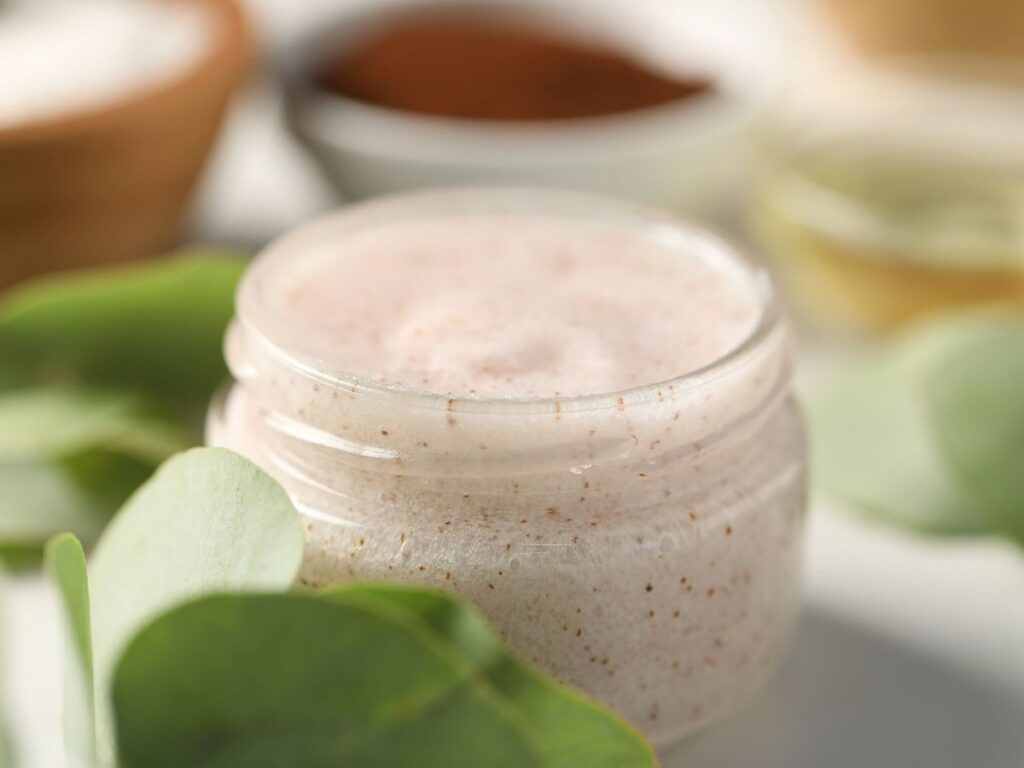
Wide-mouth jars are the most common choice for body scrubs, especially salt or sugar blends. They make it easy for users to scoop product out, which fits thick or grainy formulas. For your business, jars are simple to fill and give a strong shelf look, so many retail buyers prefer them. The trade-off is that jars need good sealing to avoid leaks during shipping.
Squeeze Tubes
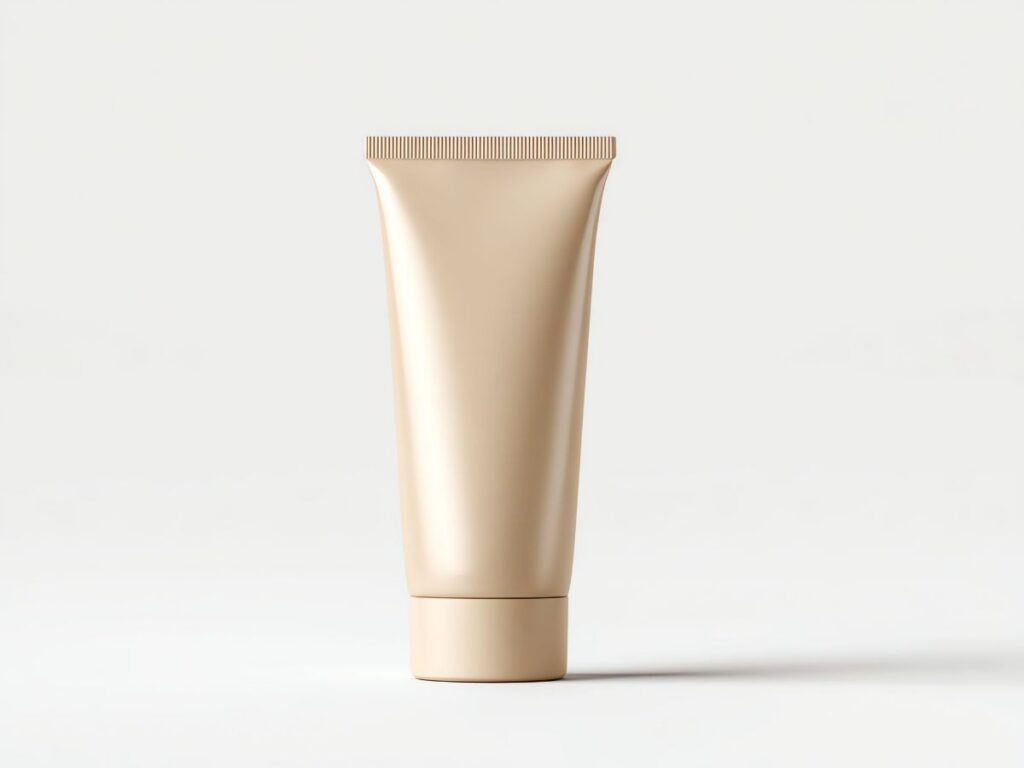
Tubes work best for smoother scrubs or gel-based formulas that can move under pressure. They feel cleaner to use because the product comes out without fingers dipping inside. In stores, tubes often signal a modern, easy-routine scrub, which can help if your brand aims at quick-use buyers.
On the production side, tubes need steady filling so air gaps do not form. If your scrub has large grains, you will need a wider opening to prevent clogging.
Bottles with Flip-Top or Pump
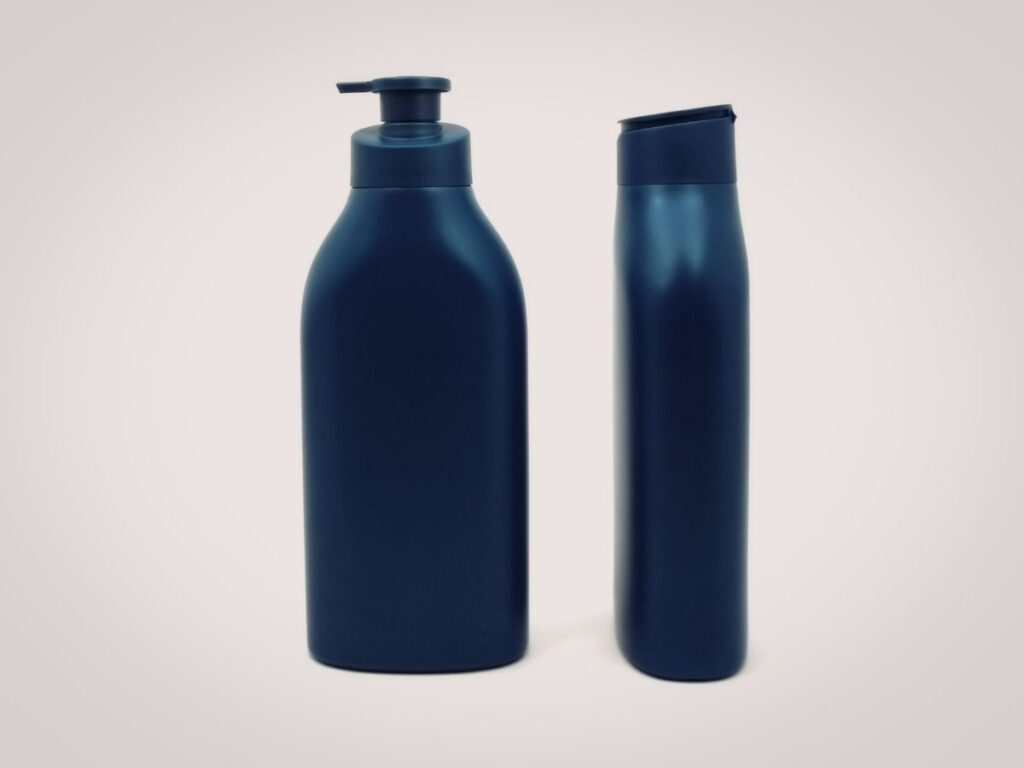
Bottles are a good fit for liquid scrubs or fine-grain blends that pour or pump out easily. A flip-top gives simple control, while a pump adds a more measured, less messy use. Many store and spa buyers like bottles for shower use because they stand upright and store neatly. Bottles also stack well in cartons, which can make your shipping setup smoother.
ust note that thicker scrubs may not work with standard pumps unless the neck size and pump type match your formula.
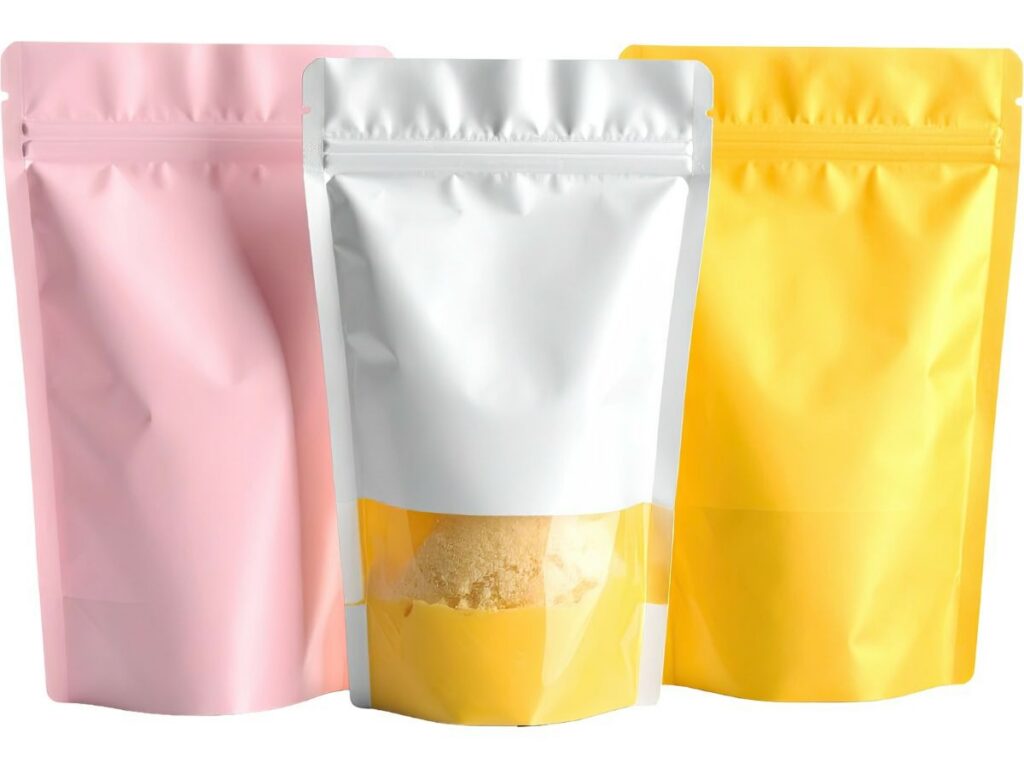
Stand-Up Pouches and Sachets
Pouches are often used for refill packs, travel sizes, or cost-focused product lines. They save space in shipping and storage, and they use less material than rigid packs. For brands selling online or as bundles, pouches can be a flexible way to offer more size options without big tooling costs.
The main concern is barrier quality, since scrubs with oils or active ingredients need strong layers to stay stable. Seal strength matters a lot too, because even a small seal gap can lead to slow leaks.
4. Functional Features to Check
Functional features are the small details that decide if your packaging works in real life. They affect filling speed, shipping safety, and how buyers feel when they hold your product. When we review body scrub packs with businesses, these features often make the difference between a smooth launch and a stressful one.
- Closure Strength and Seal Fit: Your cap or closure must stay tight through shipping, storage, and repeated opening. A weak seal can cause slow leaks that lead to returns from stores or distributors.
- Opening Size and Product Flow: The opening should match your scrub texture so it comes out smoothly without clogging. If the opening is too small or too large, buyers will see waste, mess, or poor user experience.
- Wall Thickness and Drop Safety: Scrubs are heavy, so thin walls can crack or deform during handling and transit. A slightly stronger pack lowers breakage and makes your product feel more reliable to buyers.
- Base Shape and Shelf Stability: A stable base helps your product stand straight on shelves and stack cleanly in cartons. Tall or narrow packs tip more easily, which can hurt shelf appeal and raise damage risk.
- Label Area and Application Ease: Check that the pack has enough flat space for a clear front label and required details. Odd curves or tight angles can make labeling harder, slower, and less consistent in production.
At TY Cosmetic, we help cosmetic businesses check these features before they commit to a packaging run. We look at how each pack performs during filling, sealing, shipping, and shelf setup, not just how it looks in a photo. Our team has handled many body scrub projects, so we know which details tend to cause leaks, cracks, or labeling trouble.
That hands-on view helps you avoid costly rework and gives your buyers a smoother product experience. If you want a second set of eyes on your scrub packaging plan, reach out and we’ll walk through it with you.
5. Decoration, Labeling, and Shelf Impact
Decoration and labeling are what business buyers see before they touch the formula. They tell a quick story about your price level, your market, and how serious your brand feels on shelf. Here are the key areas to think about so your packaging looks clear, durable, and easy to place in stores.
Label Material and Finish Matter More Than You Think
Your label has to survive water, oils, and repeated handling. A paper label can look nice, but in a wet shower setting it may wrinkle or peel. Plastic labels like PP or PET hold up better and keep your packs looking fresh longer. Matte finishes feel soft and modern, while glossy finishes look bright and bold under light.
If you sell to stores, durability lowers complaints about “worn-looking” stock on shelf. Always match the label finish to the mood you want your buyer to feel.
Make the Front Panel Easy to Read at a Glance
Business buyers scan shelves fast, so your key info must be clear in two seconds. Put your brand name, scrub type, and main benefit on the front in simple words. Avoid crowding the label with too many claims or tiny text. Keep the contrast strong, so the words stand out from the background.
If your pack is small, cut text down even more and focus on one main message. A clean front panel helps your product look more premium and easier to place in stores.
Shelf Shape and Color Should Support Your Positioning
Your packaging shape and color work with the label to create shelf impact. A wide jar feels rich and spa-like, while a slim tube feels quick and modern, so design should follow that cue. Lighter colors often signal gentle care, while darker tones feel more intense or luxury-focused.
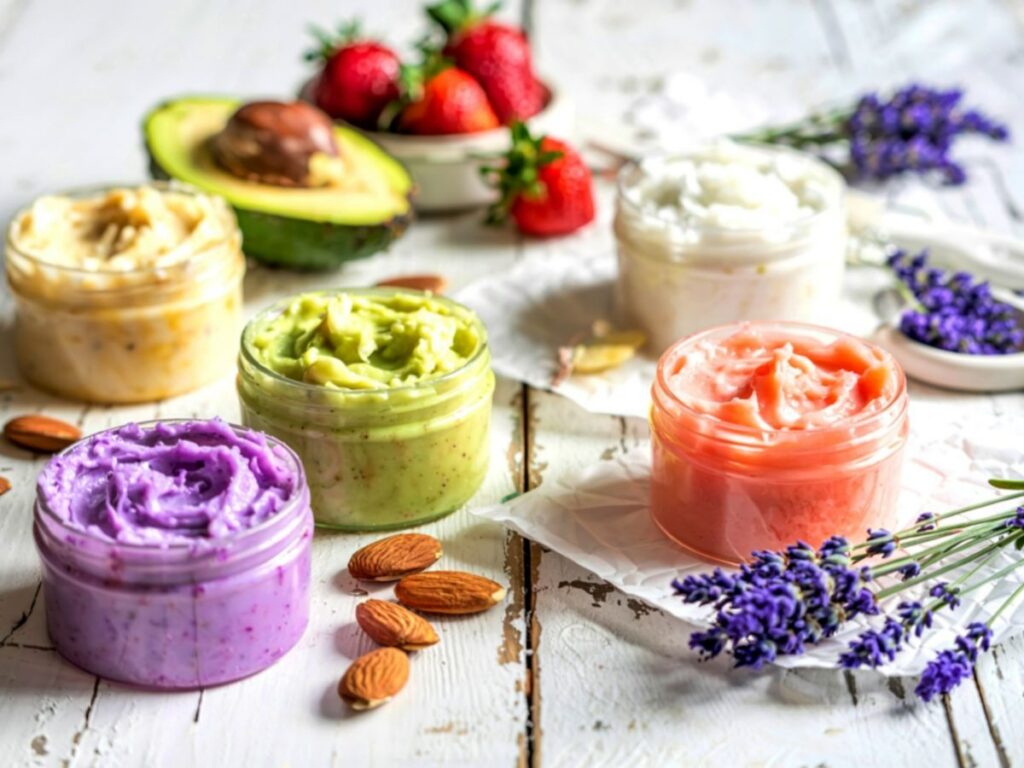
If you plan to sell a set, keep a steady design system across scents so they look like one family. Think about how your scrub will sit next to competitors, and choose colors that still read well from a distance. When your shelf look is clear, buyers understand your product faster and trust it more.
6. Common Packaging Mistakes to Avoid
Packaging mistakes often happen when brands pick a style for looks first, then deal with problems later. I have seen good scrubs lose chances with buyers because the pack did not fit the formula or the market. Here are the most common missteps to watch for before you lock in a packaging plan.
Choosing a Format That Fights Your Formula
A thick sugar scrub in a narrow pump bottle is a setup for clogging and complaints. The same goes for gritty salts in small-orifice tubes that make users squeeze too hard. When the format does not match texture, buyers notice fast and may drop the line.
It also makes your filling process slower and messier. Test how the scrub moves in and out of the pack before you order big. A good fit keeps both production and user experience smooth.
Picking Material Without Testing for Oils and Actives
Many scrubs carry oils, fragrance, or exfoliating acids that can stress some plastics over time. If you skip compatibility tests, you risk cracks, warping, or color change weeks after shipment. That turns into returns, bad reviews, and loss of trust with retail partners.
Material choice should be based on how your real formula behaves, not a sample in water. Even small shifts in oil level can change how the pack holds up. Always run stability and storage checks with the exact blend you plan to sell.
Overloading the Label or Designing for the Wrong Shelf
Some brands try to say everything on the front label, so nothing stands out. Tiny text, low contrast, or busy graphics make buyers work too hard to understand the product. That is risky in stores where decisions are made in seconds.
Another mistake is using a design style that does not match your price level or market, like a playful look for a premium spa line. Your label should tell one clear story at a glance. Clear design helps business buyers place your scrub with confidence.
7. 3 Tips To Consider When Choosing The Right Body Scrub Packaging
Choosing body scrub packaging is easier when you start from your business goals, not just what looks nice. The right pack should fit your formula, your buyers, and your supply chain in a simple, workable way. Here are practical tips that help you make a choice you can stand behind.
#1 Start With Your Formula and How It Will Be Used
First, look at your scrub texture, grain size, and oil level. Thick or chunky scrubs usually need wide openings so users can scoop without a mess. Smoother scrubs can work in tubes or bottles, but only if the opening lets the product flow easily. Think about where your buyers’ customers will use it, like a shower, spa, or travel kit.
At TY Cosmetic, we help cosmetic businesses match scrub formulas with packaging that works in real use. We look at grain size, oil load, and how the scrub moves through filling, sealing, and daily handling. Our team has worked with many scrub types, so we can point out which formats fit thick, gritty, or smooth blends without causing mess or clogging.
If you want help choosing a format that fits your scrub and your market, talk with us before you place a large order.
#2 Match the Packaging to Your Sales Channel
Your packaging should support where you plan to sell most. Retail shelves reward strong visuals and stable shapes, so jars or sturdy bottles often work well there. Online sales put more pressure on shipping safety, so lighter packs with tight seals may be the smarter pick.
If you sell to spas or salons, weight and a premium feel can matter more than compact shipping. For refill programs, pouches may suit your plan better than repeating full jars. A clear channel match helps you avoid paying for features your buyers do not value.
#3 Check Production and Supply Chain Fit Early
Before you lock a style, think through filling, sealing, storage, and carton packing. Some packs look great but slow down production because they need careful filling or special tooling. Others ship well but take more warehouse space, raising your storage cost.
Ask your supplier about lead time, minimum order size, and whether parts like caps are stable in supply. If you plan to scale, choose a pack that can grow with your order volume without a full redesign. A smooth supply chain fit keeps your launch on track and protects your margin.
Conclusion
Choosing body scrub packaging is not only about looks. It links your formula, your buyers, and your daily costs. We covered formats, materials, key features, label impact, and mistakes that can slow your launch.
Remember the client whose jars arrived cracked. After we moved them to a stronger jar and tighter cap, their scrub reached stores cleanly and reorders followed.
Let that guide your next choice. Test packaging with your real texture, plan for shipping, and keep your shelf message simple.
If you want help picking and testing the right pack for your line, TY Cosmetic is ready to support you. Contact us today!