











I once worked with a client who admitted they didn’t know what cleansing balm really did until customers started asking for it. I understood that feeling because in our early years, we learned a lot through real-world testing too.
That’s why I want to explain this product in a simple, clear way today.
At TY Cosmetic, we’ve grown from one factory to three, supported by a strong R&D team and sustainable ingredient sourcing. We make cleansing balms that are safe, effective, and tested for long shelf life so your brand can sell with confidence.
In this guide, you’ll learn exactly what cleansing balm is used for and why it’s a valuable product for your customers. Everything you need as a business buyer will be clearly laid out.
And you may find that this little product does far more than you expect.
So, let’s walk through it!
1. What Is a Cleansing Balm?
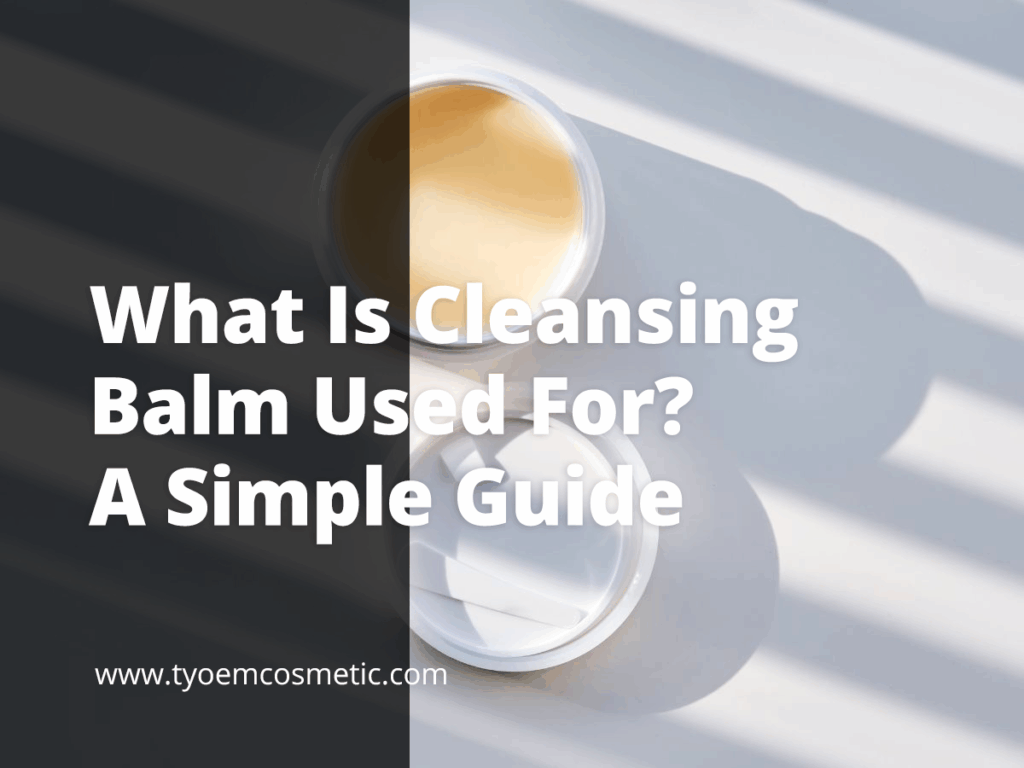
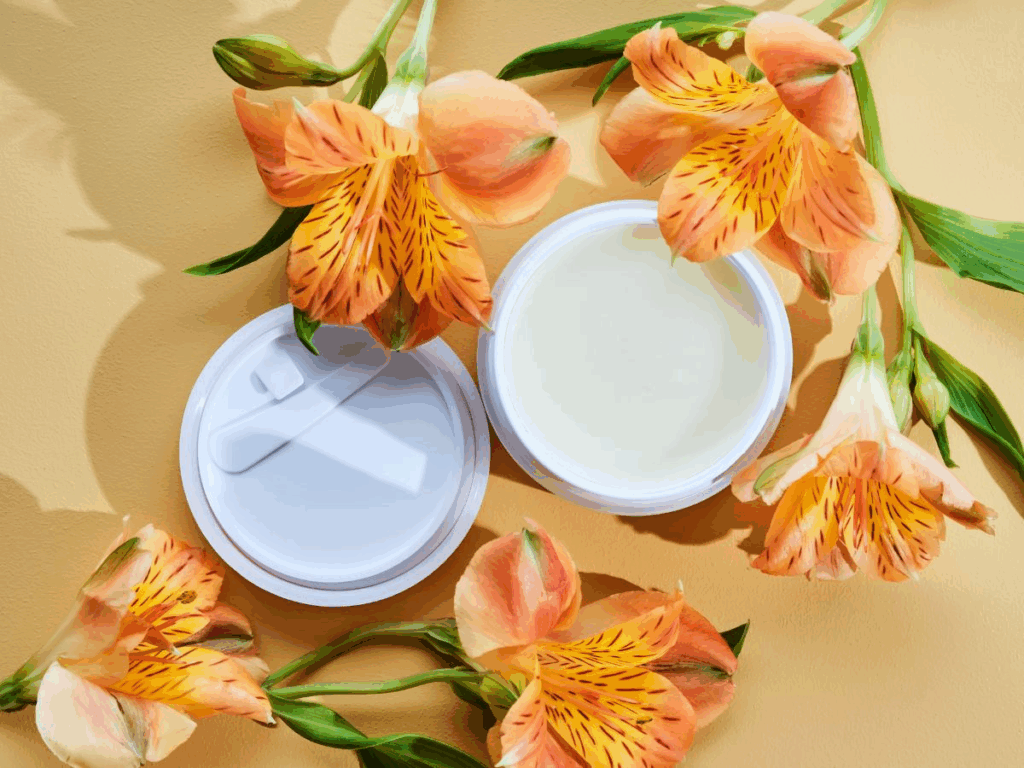
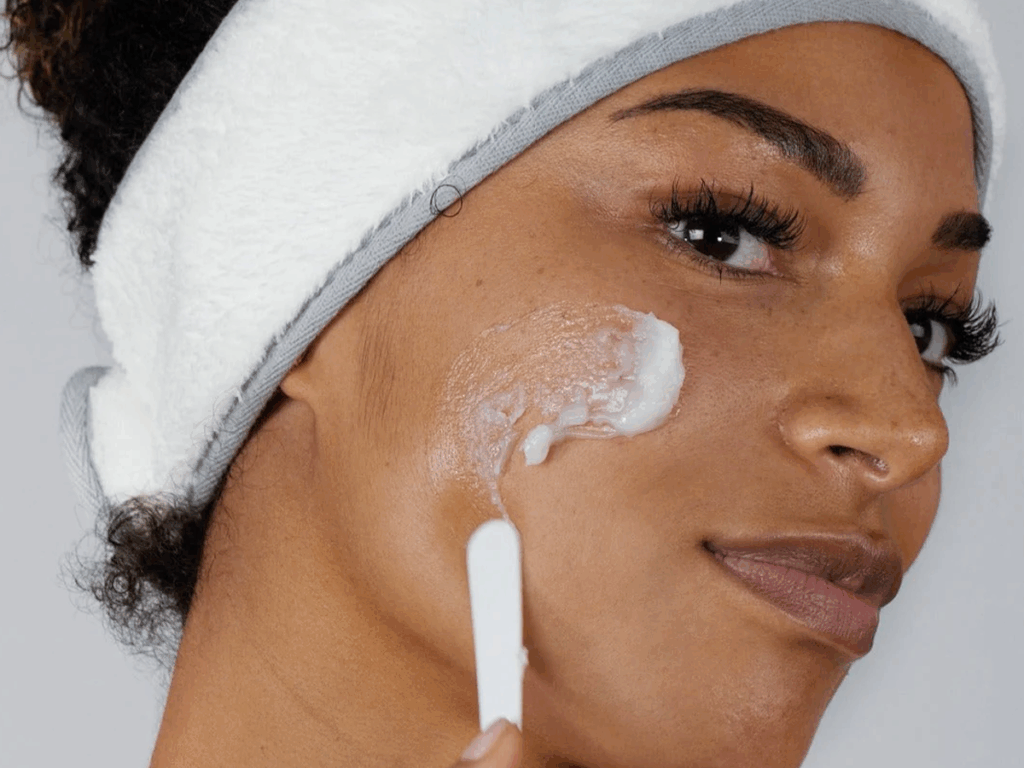
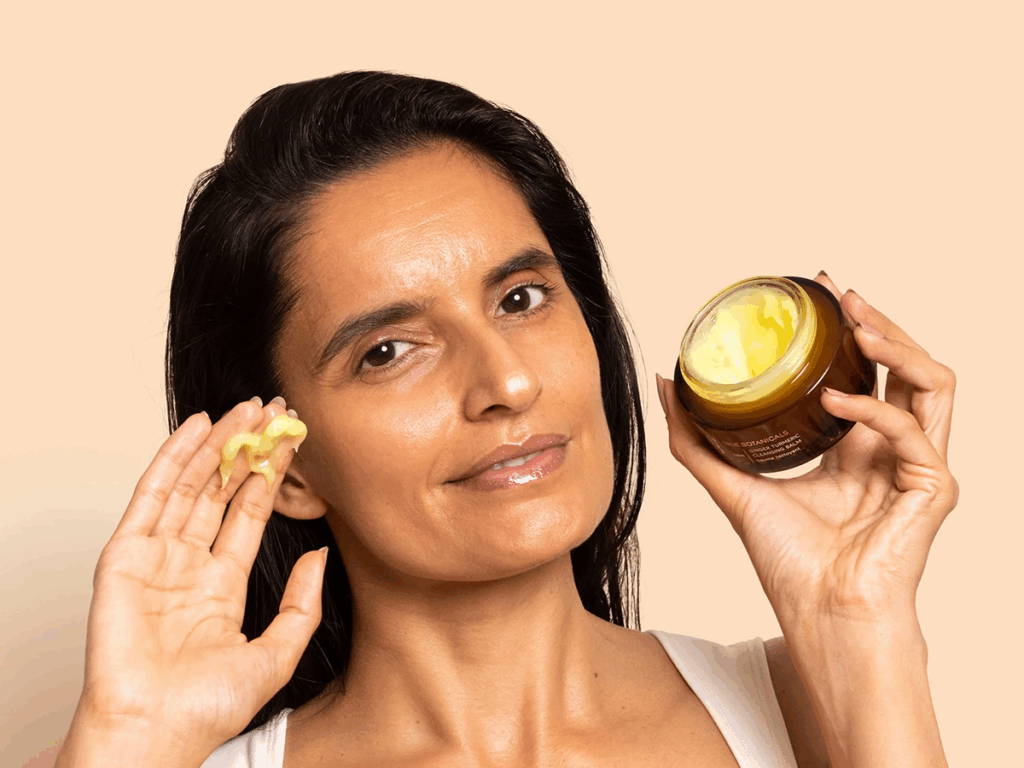
A cleansing balm is a soft, buttery cleanser that melts into an oil when you rub it on the skin. It’s designed to remove makeup, sunscreen, and dirt without stripping the skin or leaving it dry. Most balms feel gentle, smooth, and comforting, which makes them a favorite for both daily routines and heavier cleansing needs.
For business owners, think of a cleansing balm as the first step in a smart skincare lineup. It offers deep cleaning while still keeping the skin balanced, making it a great option for customers with dry, sensitive, or makeup-heavy lifestyles. It’s simple, effective, and easy for consumers to understand and love.
2. How Cleansing Balm Works
Cleansing balms may look simple, but the way they work is actually pretty smart. Let’s break it down in an easy way so you can explain it clearly to your customers or team.
The Balm Melts Into Oil
A cleansing balm starts as a solid or creamy texture that melts into a smooth oil when you warm it between your hands. This change happens because the formula includes gentle oils and emollients. Once melted, the oil spreads easily across the skin, even when it’s dry. It covers the face evenly without tugging or pulling. This first step sets the stage for deep but gentle cleansing.
Oil Lifts Away Dirt, Makeup, and Sunscreen
Oil naturally binds to oil-based impurities like makeup, sunscreen, and excess sebum. This is why a balm works so well on long-wear and waterproof products. Instead of scrubbing, the oils in the balm loosen everything for you. The product then turns all that buildup into a soft, spreadable layer.
TY Cosmetic designs its balm formulas to remove debris without irritating the skin. We test every batch to make sure the cleansing power stays strong but still gentle enough for daily use. Our R&D team also adjusts oil blends to fit different brand needs, from lightweight textures to richer, balm-to-oil formulas. This helps your customers get a smooth cleanse that feels good and works well every time.
Emulsifiers Help Everything Rinse Off Cleanly
When you add a little water, the balm transforms again and becomes milky. This happens because of emulsifiers, which help oil and water mix. They break down the oily layer so it rinses off smoothly. This step keeps the skin feeling clean instead of greasy. It also ensures the skin stays soft, hydrated, and ready for the next steps in a skincare routine.
3. Main Uses of Cleansing Balm
Cleansing balms may look simple, but they actually serve several important functions in a skincare routine. Many brands use them because they solve multiple problems with just one product. Here’s a clear breakdown of the main uses so you can easily explain them to your customers or team.
| Use Case | What It Does | Why It Matters | End Result | Best For |
| Makeup Removal | Breaks down all types of makeup, including waterproof formulas | Reduces rubbing and protects the skin barrier | Clean skin without irritation | Heavy makeup users, beauty professionals |
| Sunscreen Removal | Dissolves thick or water-resistant SPF layers | Ensures a complete cleanse at the end of the day | Skin feels fresh and buildup-free | Daily SPF users |
| Oil & Sebum Control | Lifts excess facial oils gently | Helps balance the skin without drying | Softer, smoother, balanced skin | Oily or combination skin |
| Deep Daily Cleansing | Removes dirt and pollution trapped in pores | Keeps skin healthy with consistent cleansing | Clearer-looking skin | Urban environments, active lifestyles |
| Prep for Double Cleansing | Acts as the first step before a water-based cleanser | Supports a thorough cleansing routine | Skin fully prepped for treatment products | Professional skincare routines |
4. Who Should Use a Cleansing Balm?
Not everyone knows if a cleansing balm is right for their skin or their customers, so it helps to break it down clearly. The good news is that cleansing balms work for more people than you might think. Here’s who can benefit the most from adding one to their routine.
- People With Dry Skin: A cleansing balm adds moisture while it cleans, so it doesn’t leave the skin feeling tight. It’s a gentle option for anyone who struggles with dryness.
- Sensitive Skin Users: Because balms don’t require hard scrubbing, they’re ideal for easily irritated skin. The smooth texture makes cleansing feel soft and calming.
- Heavy Makeup Wearers: If someone uses long-wear or waterproof makeup, a balm can break it down fast. It saves time and reduces tugging around the eyes.
- Daily Sunscreen Users: Sunscreen can cling to the skin, and a balm melts it away better than most regular cleansers. It helps customers maintain a complete end-of-day routine.
- People With Oily or Combination Skin: Cleansing balms can actually help balance the skin by lifting excess oil gently. They clean without stripping, which keeps oil levels steady.
- Anyone Living in Polluted or Urban Areas: Pollution sticks to the skin, and a balm is great at removing that extra layer of buildup. It helps keep pores clear and skin fresh.
- Skincare Beginners Wanting Something Simple: A balm is easy to use and hard to mess up, which makes it great for new users. One product can handle makeup, sunscreen, and dirt at the same time.
5. Cleansing Balm vs. Other Cleanser Types
Choosing between different types of cleansers can get confusing, especially when each one claims to do something unique. A quick comparison makes it easier to see where cleansing balms stand. Here’s a simple table to help you understand the differences at a glance.
| Cleanser Type | How It Works | Best For | Key Difference |
| Cleansing Balm | Melts into oil to dissolve makeup, sunscreen, and excess sebum | Dry, sensitive, or makeup-heavy users | Deep yet gentle cleanse without stripping the skin |
| Foam Cleanser | Lathers up to remove surface dirt and oil | Oily or acne-prone skin | Can feel drying if used alone, especially for dry skin |
| Gel Cleanser | Lightweight gel removes dirt and light oils | Combination or normal skin | Offers a fresh feel but may not remove heavy makeup |
| Micellar Water | Uses micelles to lift dirt and makeup without rinsing | Quick cleansing or light makeup users | Convenient but not enough for heavy SPF or long-wear makeup |
6. Common Mistakes to Avoid
Even though cleansing balms are easy to use, people still make a few mistakes that can affect results. The good news is that these mistakes are simple to fix once you know what to look for. Let’s walk through the most common ones so you can guide your customers better.
Using Too Little Product
A lot of people try to use a tiny amount of cleansing balm. This makes it hard for the balm to melt and glide across the skin. Without enough product, it won’t fully remove makeup or sunscreen. The skin may even feel tugged or irritated. Using a proper scoop helps the balm do its job smoothly.
Applying on Wet Skin
Some users wet their face first out of habit. Cleansing balm works best on dry skin, because that’s when the oils melt makeup and sebum properly. Adding water too soon keeps the formula from breaking things down. This makes the cleanse less effective overall. Starting with a dry face keeps the balm performing the way it should.
Rinsing Without Emulsifying
Another common mistake is rinsing the balm off without adding a bit of water first. The balm needs water to turn milky and lift away dirt cleanly. Skipping this step may leave a greasy film behind. It can also cause product buildup, especially for people with oilier skin. Emulsifying before rinsing keeps the skin clean, fresh, and comfortable.
7. Final Tips for Choosing the Right Cleansing Balm
Choosing the right cleansing balm can feel overwhelming when there are so many formulas on the market. The good news is that you don’t need to overthink it. A few simple guidelines can help you pick a balm that fits your brand and your customers’ needs.
Look at the Ingredient List
Start by checking the main oils and emulsifiers in the formula. These ingredients control how well the balm melts and how easily it rinses off. Avoid formulas loaded with heavy or pore-clogging oils unless your target customers prefer richer textures. A clean, simple ingredient list usually performs best. This makes the balm easier for customers to trust and understand.
Pay Attention to Texture and Spreadability
The texture of a cleansing balm affects the whole user experience. It should melt easily in the hands without feeling waxy. A balm that spreads smoothly prevents tugging around the delicate areas of the face. When the texture feels right, customers are more likely to keep using it. Consistency is a big factor in repeat sales.
Test How Well It Handles Makeup and Sunscreen
A good cleansing balm should remove long-wear makeup and thick sunscreen without effort. If customers have to scrub, the formula isn’t doing its job. You want something that lifts everything quickly. Try testing it on waterproof mascara, foundation, and SPF.
TY Cosmetic often evaluates formulas this way to make sure they meet real-world needs. Our R&D team compares multiple prototypes to see which one performs the best under real-use conditions. We also run stability and texture tests to ensure the balm stays effective over time. This helps brands launch products that work well from the first use to the last scoop.
Choose a Formula That Rinses Off Cleanly
A cleansing balm should wash off without leaving a heavy or greasy film behind. This makes the skin feel fresh and ready for the next step. Poor rinsing is one of the main reasons users avoid balm cleansers. Look for formulas that turn milky with water and glide off easily. This ensures a positive experience for beginners and experienced skincare users alike.
Conclusion
We began this article with a client who felt unsure about cleansing balm, and now you can see how far that question took us.
You’ve learned its purpose, its benefits, and why it’s a strong pick for any skincare line.
Everything ties together with one message: simple products can make a big impact when they’re made well.
If your business is ready to add a balm that your customers will trust, we can guide you from idea to launch. TY Cosmetic is here to support your next step. Contact us today!