











Back when TY Cosmetic worked with a small trading company on their first toothpaste project, I remember watching them struggle through sample tests, packaging choices, and early production trials.
If you feel the same pressure to make the right moves, you are in the right place.
TY Cosmetic has produced toothpaste for many businesses, from first-time startups to large distributors, and our team handles formula development, batching, filling, and quality checks every day, so the guidance here comes from real factory experience.
In this guide, you will learn each step of the process, what you must prepare, and how production works, giving you the clear answers you came here for.
By the time you finish reading, the whole process will feel far more manageable.
So, let’s get started!
1. Understanding the Toothpaste Toothpaste Manufacturing Business
Understanding the toothpaste manufacturing business starts with knowing how the market works and what role you want to play in it. You are entering a field with steady demand because toothpaste is a daily-use product for homes, clinics, hotels, and retail chains. When you understand who you plan to supply, you can shape your production plans with more confidence.
In this business, you handle product development, safe formulation, and stable production output. You also manage sourcing, packaging needs, and supply expectations from your buyers. Once you see how each part connects, you can build a setup that fits your goals and capacity.
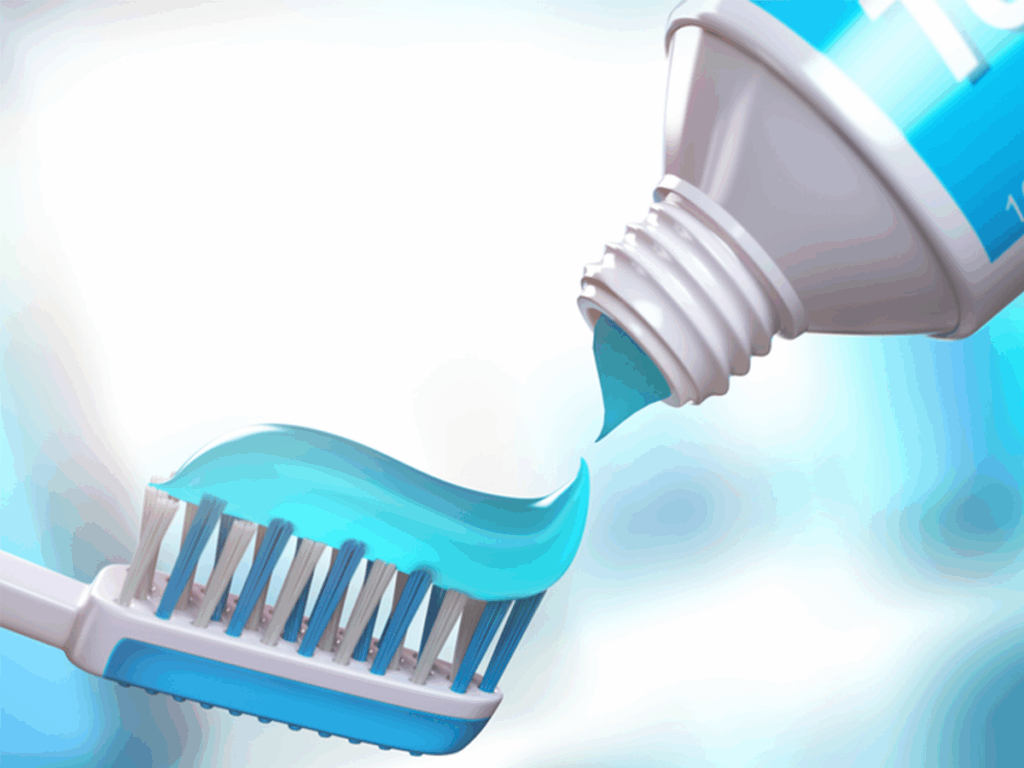
2. Types of Toothpaste You Can Manufacture
You have many options when choosing which toothpaste line to develop. Each type serves a different market need, so the right choice depends on your buyers and your production goals.
- Fluoride Toothpaste: This is the most common type and works well for general retail buyers. You can offer it to distributors who want a simple, reliable product for daily use.
- Whitening Toothpaste: Whitening products appeal to markets that focus on cosmetic benefits. You will need mild abrasives or whitening agents that fit your target region’s rules.
- Herbal or Natural Toothpaste: These formulas use plant-based ingredients and appeal to buyers who want cleaner labels. You can produce them as gel or paste, depending on your customer’s market.
- Sensitive Toothpaste: This type uses ingredients that help reduce tooth sensitivity. Many private-label brands request this because it fills a strong niche in pharmacies and clinics.
- Kids’ Toothpaste: Kids’ formulas use gentle ingredients and lighter flavors. You can target nurseries, dental clinics, and retailers that carry family products.
At TY Cosmetic, our team helps clients choose the right product type based on market demand, formulation needs, and long-term production plans. We review each option carefully to match it with the client’s goals and target buyers. This guidance makes planning easier, especially for businesses entering toothpaste manufacturing for the first time. It also helps avoid costly trial-and-error during development.
If you want support choosing the best category for your project, TY Cosmetic team is ready to assist.
3. Essential Ingredients in Toothpaste Formulation
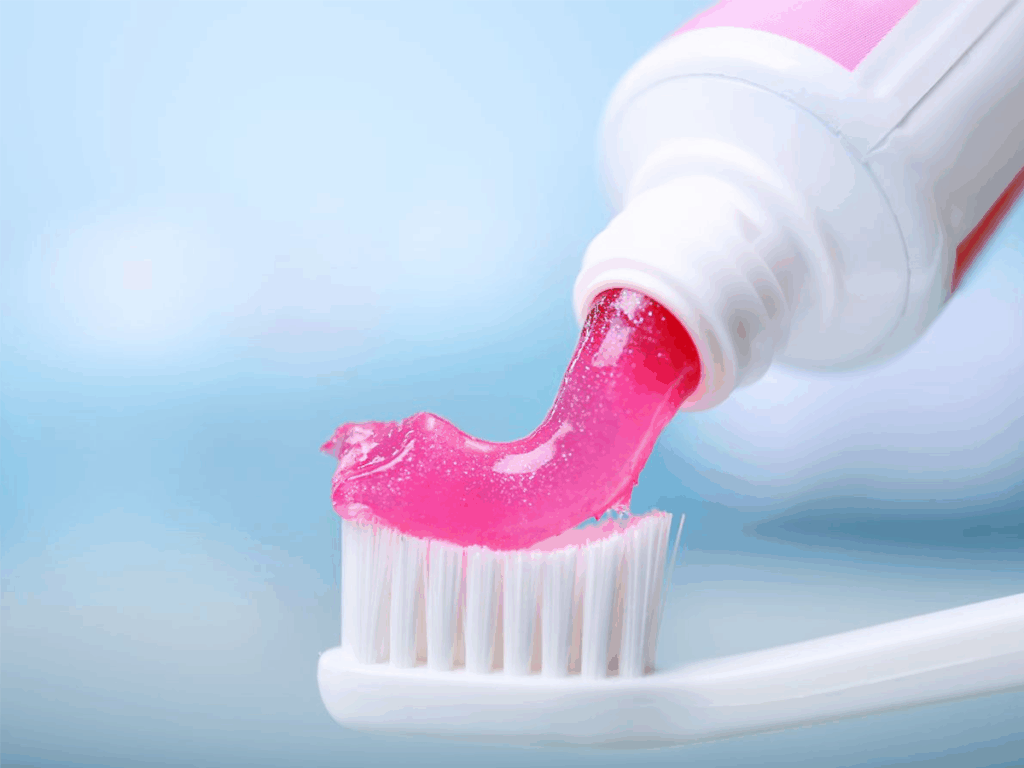
When you start planning your toothpaste line, you need to understand what goes into the formula and why each ingredient matters. These ingredients work together to create texture, cleaning power, flavor, and stability, and they shape how your product performs on the shelf.
The table below shows the key ingredients you will work with and what each one means for your formula.
| Ingredient | Purpose | What This Means for Your Product |
| Abrasives | Help remove plaque and stains | You get a clean feel without damaging the teeth. |
| Humectants | Keep the paste moist and smooth | Your toothpaste will not dry out or harden during storage. |
| Binders | Hold all ingredients together | You get a stable texture that stays consistent in the tube. |
| Surfactants | Create foam and help spread the paste | Your customers get better coverage when brushing. |
| Fluoride (optional) | Supports cavity protection | You can offer stronger functional benefits for retail markets. |
| Sweeteners | Improve taste without sugar | You can make the formula pleasant for daily use. |
| Flavoring Agents | Give a fresh taste | You can adjust flavor profiles based on your target market. |
| Preservatives | Help keep the product safe over time | Your toothpaste stays stable during shipping and storage. |
| Colorants | Give the paste a clean or attractive look | You can match your customer’s preferred visual style. |
| Water | Forms the base of the formula | You control consistency for gel or paste types. |
4. Regulatory Requirements and Compliance
You need to meet the rules set by your target market before you begin toothpaste production. These rules protect consumers and help your product enter stores without delays. Understanding them early will save you time, money, and stress later.
Local and International Standards
Every country has its own set of rules for toothpaste, and you must follow the standards of the market where you plan to sell. Some regions focus strongly on ingredient limits, while others care more about safety records and labeling format. You should start by reviewing the guidelines shared by your government health agency, such as the FDA in the United States or similar authorities in other regions.
This helps you know which ingredients require approval and which claims need clear support. Once you understand these rules, you can shape your formula and packaging to fit them.
Ingredient Safety and Documentation
Your ingredients must be safe, properly sourced, and supported by the right documents. Most buyers will expect clear proof of purity and testing, especially if you plan to produce whitening, herbal, or sensitive formulas. Having the right paperwork ready will help you build trust with wholesalers and retailers.
You should request COAs (Certificates of Analysis) from suppliers and keep all records organized for future checks. This step may feel heavy at first, but it becomes routine once you build a good sourcing process.
Labeling and Packaging Compliance
Your labels must match the rules in your target market, and each detail matters. You will need to list ingredients, usage instructions, warnings, and product claims in a clear way. Some regions also require batch numbers, expiry dates, and manufacturing details.
If you sell internationally, you may need multiple languages and updated claim rules. This part of compliance helps your buyers avoid legal issues and keeps your product safe for retail shelves. Good labeling is also one of the easiest ways to build credibility with your customers.
At TY Cosmetic, our team reviews every label design with compliance in mind to help clients avoid mistakes. We check required details, confirm ingredient disclosures, and make sure claims align with market rules. This process supports a smoother launch, especially for brands entering new regions. It also helps reduce costly redesigns later on.
If you want guidance from a partner who handles labeling compliance every day, our team is ready to help.
5. Cost and Investment Planning
A clear financial plan helps you understand what your budget can support before starting production. Early planning also keeps your project organized as you move from idea to factory work. Here are the main cost areas you need to review before setting up your toothpaste line.
Startup Costs and Initial Setup
The first major expenses usually come from equipment, facility preparation, and basic formulation work. Cost levels change based on the capacity you want and the degree of automation you choose. Smaller lines need less capital, but the limited output may hold you back as orders grow.
Larger setups require more money upfront yet give you stronger consistency and increased production. Thinking about long-term goals helps you decide which setup fits your plans.
Cost of Raw Materials and Packaging
Ingredient and packaging choices can shape your overall pricing strategy. Some formulas rely on simple components that keep spending steady, while whitening or herbal products often need higher-value materials. Packaging costs also shift depending on tube style, caps, artwork, and order volume.
Bigger orders usually reduce the cost per piece, which helps your margins. Working with dependable suppliers makes it easier to keep your production stable.
Labor, Utilities, and Operating Expenses
Daily operations can become one of your largest running costs. Trained staff are needed for batching, filling, mixing, and quality checks. Electricity, water, and routine maintenance will increase as your output grows. Planning these expenses early helps prevent sudden shocks later on. A clear view of your operating costs also supports better cash flow management.
Budgeting for Quality Control and Compliance
Testing and compliance work should be part of your budget from the beginning. Stability tests, microbial checks, and documentation reviews all play a role in keeping your product safe. Some markets require regular testing, while others need specific checks when launching new formulas.
These costs vary depending on your region and product type. Including them in your financial plan helps you move through approvals with fewer delays.
6. Common Challenges and How to Address Them
Every toothpaste project comes with hurdles, especially during the early stages of planning and production. These challenges can slow down your timeline if you don’t prepare for them in advance. Here are the most common issues you may face and how you can handle them with confidence.
Sourcing Consistent Raw Materials
Finding reliable suppliers can be tough, especially if your formula needs specialized ingredients like whitening agents or herbal extracts. Prices may shift depending on season, availability, and order size. A strong supplier network helps stabilize your costs and protects your production from delays. Building long-term relationships with suppliers works well for most businesses because it secures a steady flow of materials.
Maintaining Stable Production Quality
Keeping each batch consistent is one of the hardest parts of manufacturing toothpaste. Small differences in mixing, temperature, or ingredient handling can affect texture or performance. Regular quality checks help prevent issues before they reach your buyers.
Staff training also plays a big role in keeping the line stable because skilled workers catch mistakes faster. When your process becomes more organized, your output becomes more predictable.
Managing Production Costs as You Scale
Costs often rise when you increase output, especially if your equipment or layout is not built for higher capacity. Electricity, water, and labor expenses grow as production expands.
Planning your scale in stages helps you avoid spending too quickly. Some businesses compare the cost of upgrading equipment with the cost of running multiple smaller batches to see which approach works better. A flexible plan gives you room to adjust as your orders increase.
7. Final Tips for Starting a Toothpaste Manufacturing Business
Starting a toothpaste line takes planning, patience, and a clear understanding of your market. Every step becomes easier once you know how the process works and what your buyers expect from you. Here are the final points to keep in mind as you move forward with your project.
Start with a Clear Product Direction
A strong product idea makes your planning smoother from the beginning. Many businesses rush into equipment and packaging before deciding what type of toothpaste they truly want to offer.
Thinking through your target buyers, preferred formula style, and expected order volume will help guide every choice that follows. This approach keeps your project focused and reduces unnecessary spending. A clear direction also helps your suppliers and partners support you better.
Build a Reliable Supplier Network
Stable production depends on the quality of your raw materials and packaging. Working with dependable suppliers gives you consistency and keeps your production timeline on track. Some ingredients may have seasonal or regional limitations, so planning ahead helps reduce delays. Building strong relationships with suppliers can also give you better pricing as your orders grow.
At TY Cosmetic, we work with long-standing ingredient and packaging suppliers who support stable production for our clients. Our team reviews every batch we receive to keep formulas consistent across different runs. This setup helps us avoid delays and protect the quality buyers expect from us. It also gives us a clearer view of material trends so we can guide clients better during planning.
If you want support from a partner who already has a strong supply chain in place, you can reach out to our team anytime.
Invest in Training and Process Control
Even good equipment cannot run well without skilled staff handling each step. Training helps your team catch small issues early, which protects your batches from mistakes. Repeating the same process in the same way each time supports stable results. Regular checks on mixing, filling, and final inspection also help you maintain the quality your buyers expect. Over time, your team becomes more confident and faster in handling the line.
Stay Informed on Market and Compliance Changes
Toothpaste regulations and market trends shift over time, and staying updated helps you keep your products relevant. Ingredient limits, labeling rules, or claim requirements may change without much warning. Checking updates from your target markets protects you from costly adjustments later.
Watching market trends also gives you insight into what new buyers may want next. Staying informed keeps your business stronger and more prepared for growth.
Conclusion
The small trading company I mentioned earlier found their way by learning each step one at a time. This guide now gives you the same structured path so you can move ahead with confidence.
Each tip and section fits together to help you build a steady toothpaste line. Use this information to plan your budget, choose your formula, and organize your production.
Your next decision can bring you closer to launching your product. If you want support from a team that builds toothpaste lines every day, contact TY Cosmetic today!