









I remember a meeting when a brand owner brought body lotion and eczema cream, assuming they followed the same rules. They were surprised when I explained one was a cosmetic and the other counted as an OTC product.
You may have faced a similar moment of confusion, which brings us to the next point.
At TY Cosmetic, we worked with many global brands, big and small, and we help them decide which category their product belongs to before production even begins. Our team handles formula development to compliance steps every day, so you can trust that this review comes from hands-on experience.
In this article, you’ll learn the key differences between cosmetic products and OTC products, written in simple terms. By the end, you’ll know exactly how each one works and how that affects your own product plans.
Before we go deeper, let’s start with an idea that will help guide your thinking.
So, let’s get started!
Quick Comparison Chart
Here’s a simple table to help you compare cosmetic and OTC products at a glance. This quick overview makes it easier to understand the big differences before we go deeper.
| Category | Cosmetic Product | OTC Product |
| Intended Use & Purpose | Improves appearance on the surface of the skin, hair, or body. | Treats or prevents a specific condition and affects how the body functions. |
| Allowed Marketing Claims | Focuses on beauty, comfort, and surface improvements like smoothness or brightness. | Must follow approved treatment claims that reflect measurable results. |
| Active Ingredients | Uses safe ingredients that deliver appearance-based benefits without treatment effects. | Uses approved active ingredients at controlled levels that deliver treatment effects. |
| Formulation Flexibility | Allows creative freedom in textures, scents, and ingredient choices. | Has strict rules tied to active ingredients and allowed levels. |
| Testing Requirements | Needs safety and stability testing to confirm general safety. | Needs advanced testing or clinical proof to show the product works as claimed. |
| Cost of Development | Lower cost and easier development due to flexible formulas. | Higher cost due to strict testing, documentation, and compliance. |
Now that you’ve seen the quick comparison, let’s break each category down step by step.
1. What Is a Cosmetic Product?
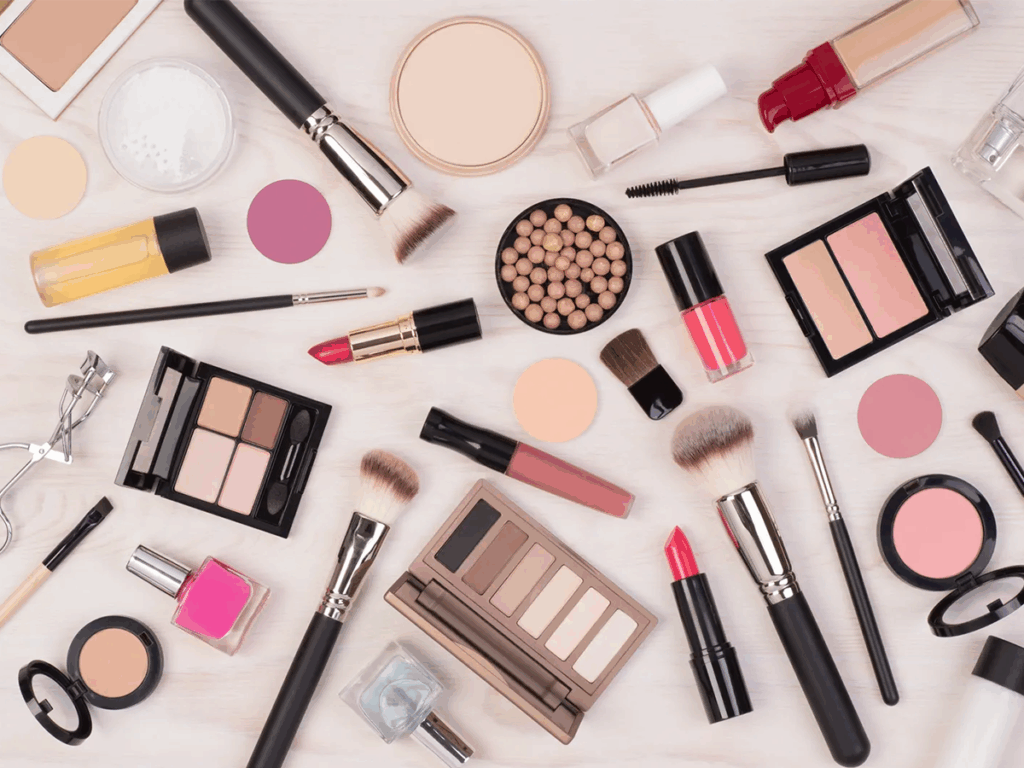
A cosmetic product is something you make to clean, protect, or improve the look of the skin, hair, or body. It works on the surface and does not change how the body functions. When you create a cosmetic item for your brand, you focus on texture, scent, feel, and overall user experience. This category fits you if your goal is to offer products that support appearance without making medical or treatment claims.
2. What Is an OTC Product?
An OTC product is something you create to treat or prevent a specific health condition, and it must follow drug-level rules. It uses approved active ingredients and must match the guidelines set by regulators. When you add an OTC item to your line, you take on stricter testing, labeling, and claim requirements. This category fits you if your product needs to deliver a measurable action on the body, not just improve appearance.
3. Intended Use and Purpose
Active ingredients are one of the biggest differences between cosmetic and OTC products, and this is where many brands make early mistakes. Choosing the wrong ingredient can shift your product into a stricter category without warning. Understanding how these rules work helps you plan formulas that match your goals and budget.
Ingredient Approval and Control
- Cosmetic Product: A wide range of safe ingredients can be used to improve appearance, texture, or feel. The formula stays flexible because the actives do not treat medical conditions.
- OTC Product: Only approved active ingredients are allowed, and each one has fixed levels and functions set by regulators. Formulas must follow these limits exactly to stay compliant.
Role of the Active Ingredient
- Cosmetic Product: Actives support surface-level benefits such as hydration, brightness, or softness. They help your product look and feel better without altering how the body works.
- OTC Product: Actives play a treatment role and must deliver a measurable effect, such as reducing acne, controlling dandruff, or blocking UV rays. These ingredients carry strict expectations for performance and testing.
Takeaway
If your product is meant to improve how the skin or hair looks, the cosmetic path gives you more freedom in development time. But if your goal is to treat a real condition and deliver a proven result, choosing the OTC route will give your brand the structure and testing needed to support those stronger promises.
At TY Cosmetic, we guide brands by helping them understand which ingredients stay safely within the cosmetic category. Our team reviews concepts early, so you can avoid actives that push your formula into stricter rules. If your goal is to build cosmetic products with clarity and confidence, we can help you take the right steps from the start.
4. Allowed Marketing Claims
Marketing claims shape how your product is positioned, so this step affects both your formula and long-term strategy. Many brands run into trouble because one strong claim can shift a product into an OTC category without warning. Understanding these limits helps you control your message and avoid delays in development.
Claim Strength and Flexibility
- Cosmetic Product: Claims focus on appearance and sensory improvements such as brighter skin or a smoother texture. This gives your team freedom to highlight beauty benefits without entering treatment territory.
- OTC Product: Claims must match approved treatment actions like clearing acne or protecting from UV exposure. Every statement has to stay within the rules set by regulators and must reflect measurable performance.
Impact on Product Positioning
- Cosmetic Product: Offers plenty of space for creative marketing because the claims highlight beauty, comfort, and overall experience. This flexibility helps your brand build personality without strict medical wording.
- OTC Product: Requires factual and direct wording that reflects its treatment purpose. Marketing must stay precise and support the approved active ingredient’s intended action.
Takeaway
If messaging freedom and brand storytelling matter most, a cosmetic product fits your plan better. But if your product needs stronger problem-solving claims, the OTC category gives you the structure required to support those promises.
5. Formulation Rules
Formulation rules decide how much control you have over texture, ingredients, and overall product style. Many brands are surprised by how strict OTC formulas can be compared to cosmetic ones. Knowing the rules early helps you avoid unnecessary reformulation and stay on schedule.
Formula Flexibility
- Cosmetic Product: Allows creative freedom in choosing textures, scents, and supporting ingredients. Adjustments are easier because the formula does not need to meet treatment standards.
- OTC Product: Must follow fixed guidelines based on approved actives and their required levels. Any change has to stay within those limits to keep the product compliant with regulations.
Performance Expectations
- Cosmetic Product: Expected to deliver surface-level results and a pleasant user experience. The focus is on feel, spreadability, and visual effects rather than medical outcomes.
- OTC Product: Expected to show proven results linked to treatment claims like reducing acne or blocking UV rays. The formula must perform exactly as stated and meet strict performance standards.
Takeaway
If your priority is creative control and flexible formula development, cosmetics offer the space you need. When treatment performance is the goal, OTC rules provide the structure that supports stronger claims.
At TY Cosmetic, we focus on helping brands build cosmetic formulas that feel good, perform well, and support long-term product plans. Our team works closely with you to create textures, scents, and ingredients that match your vision while staying efficient in production. We guide each project through development so you can explore ideas without dealing with heavy restrictions.
If you need cosmetic products that balance creativity, quality, and smooth development, TY Cosmetic is here to support your growth.

6. Testing Requirements
Testing requirements change the timeline and workflow of your product development. Cosmetics follow a lighter process, while OTC products require deeper proof of effectiveness. Knowing which path you are choosing helps your team plan budgets, lab timelines, and launch dates more accurately.
Testing Scope
- Cosmetic Product: Requires safety testing that checks for irritation, stability, and general product safety. These tests confirm that the formula performs well on the skin without medical claims.
- OTC Product: Requires more advanced testing that proves the product works as promised. This includes clinical or lab studies that show clear treatment results and long-term stability.
Documentation Needs
- Cosmetic Product: Needs standard records such as ingredient lists, safety reports, and manufacturing details. These documents are easier to maintain and update over time.
- OTC Product: Requires detailed files that support both safety and treatment performance. Documentation must follow strict formats and stay ready for regulatory review at any time.
Takeaway
Cosmetic testing keeps your launch faster and easier if you focus on appearance-based benefits. OTC testing is worth the added work when your product needs treatment claims backed by strong proof.

7. Cost of Development
Development costs vary a lot between cosmetic and OTC products, and this difference affects long-term planning. Some brands underestimate the cost gap, which leads to delays or incomplete projects. Understanding these expenses early helps you plan more accurately and avoid surprises.
Upfront Investment
- Cosmetic Product: Development stays more affordable because formulas are flexible and testing is simpler. This makes it easier to create multiple products or expand your line quickly.
- OTC Product: Development costs rise due to required actives, advanced testing, and strict compliance steps. Each formula needs more time and resources before reaching the market.
Long-Term Expenses
- Cosmetic Product: Ongoing costs remain low since updates and reformulation changes do not require heavy documentation. Your team can adjust textures and ingredients without major hurdles.
- OTC Product: Long-term costs stay higher because compliance checks, updated records, and strict controls must be maintained at all times. Any formula change requires careful review to meet the allowed rules.
Takeaway
Cosmetic development is the better fit if you need lower costs and want to build a broad product line. OTC development is worth the investment if your business needs treatment-level claims that require strong testing and long-term compliance.
8. 3 Factors To Consider When Choosing Cosmetic vs. OTC Products
Choosing between cosmetic and OTC paths affects your formula, your claims, and the full development plan behind your product. This decision shapes your timeline, your budget, and the level of testing you will need. Here are the factors that will help guide you in the right direction.
#1 Your Brand’s Long-Term Product Goals
Think about where you want your product line to go in the coming years. A cosmetic product works well if your focus is beauty, texture, experience, and visual results. But brands that want to address skin concerns like acne, dandruff, or sun exposure need the OTC route because it supports stronger treatment claims. Your long-term direction should guide your choice before any formula work begins.
#2 Budget and Development Capacity
Cost plays a major role in choosing the right path. Cosmetic development stays lighter on the budget, which lets you build more products or explore multiple ideas at once. OTC development requires higher investment because of active ingredients, deeper testing, and strict documentation needs. The size of your team and available resources will often influence this decision.
At TY Cosmetic, we manage formula work, packaging support, and testing coordination in one place, which helps brands save time and control cost. We work with companies at different stages, so we understand how budgets change from project to project. If you need cosmetic products that fit your budget and support your brand goals, we are ready to help.
#3 Claim Strength and Compliance Comfort
The claims you want to make usually point you toward one category. If your marketing focuses on appearance, feel, and daily skincare benefits, the cosmetic route keeps development simple and flexible.
But if your brand needs stronger claims that treat a condition or prevent a problem, the OTC path becomes necessary even with the added steps. This choice depends on how comfortable your team is with long-term compliance responsibilities.
Conclusion
Back in the introduction, the brand owner, who brought a body lotion and an eczema cream finally understood why the two products followed different rules.
That same clarity is what this guide aimed to give you. Cosmetics and OTC items serve different goals, use different actives, and follow different levels of testing and cost.
When you understand these differences, planning becomes easier and faster. And if you want support building a cosmetic line that aligns with your goals, contact TY Cosmetic today!