






I often see our clients struggling to choose what works better for their brand: tallow cream or natural plant skincare. Watching that confusion pushed us to study both options closely during real projects.
That is why this comparison is worth sharing with you today.
At TY Cosmetic, we make formulas for brands that sell in many regions and need steady results. Our lab tests every ingredient, checks stability over time, and reviews how each formula works in bulk production. You can trust this review because it is based on years of helping businesses pick the right base.
In this article, you will see how both options compare in feel, shelf life, sourcing, production needs, and long-term use in your line. By the end, you will have clear answers that match your business goals.
Before we start, think about the type of product your customers ask for most.
So, let’s get started!
Quick Comparison Chart
Here’s a quick snapshot comparing tallow cream and natural plant skincare before we break down each section in detail. This table gives you a simple overview you can scan fast so you understand the main differences at a glance.
| Category | Tallow Cream | Natural Plant Skincare |
| Source of Ingredients | Comes from rendered animal fat, usually beef tallow. | Made from plant oils, butters, and botanical extracts. |
| Supply Stability | Supply depends on farming cycles and meat industry output. | More stable supply because ingredients come from many regions and crops. |
| Sourcing Flexibility | Fewer ingredient options and limited room to adjust texture. | Wide range of oils that let you create light, medium, or rich textures. |
| Skin Compatibility | Creates a heavy, slow-absorbing layer on the skin. | Absorbs more evenly and gives a softer finish for broader user groups. |
| Skin Type Suitability | Works best for dry or stressed skin; may feel too rich for oily skin. | Adjusts easily for oily, dry, or combination skin types. |
| Allergen Risk | Low allergen risk but relies on clean processing. | Higher allergen risk from nuts, seeds, and botanicals. |
| Scent & Sensory | Natural scent may need more fragrance work. | Pleasant natural scents that blend easily with added fragrance. |
| Texture & Skin Feel | Dense, balm-like texture that melts slowly. | Smooth glide with faster absorption and more versatility. |
| Stability | Naturally resistant to oxidation; may soften in heat. | Can oxidize faster depending on oils; stable across temperature changes. |
| Cost & Availability | Costs shift with livestock cycles and may need stronger supplier contracts. | Offers a wide price range and steady year-round availability. |
| Production Workflow | Needs heating and careful handling due to solid texture. | Easier batching and mixing; flexible for many product types. |
With that quick overview, let’s move into the detailed comparisons next.
1. What Is Tallow Cream?
Tallow cream is a skin cream made from rendered animal fat, usually from grass-fed beef. You may see it used in brands that want a rich, fatty base with a heavy, slow-absorbing feel. Your team should know that it behaves more like a solid balm during production, so it needs heat to blend with other ingredients. If you’re exploring this option, focus on how its dense texture and heavy finish fit into your product line.
2. What Is Natural Plant Skincare?
Natural plant skincare uses oils, butters, and extracts that come from plants rather than animal sources. You will see bases like jojoba, almond, shea, or botanical blends that give a lighter, smoother feel. You will notice these ingredients melt and mix more easily during batching, which makes them flexible for many product types. If you are considering this option, think about how its wider ingredient range fit your brand’s goals.
3. Source of Ingredients
Choosing the right base starts with understanding where each ingredient comes from. This matters for your supply chain, product story, and long-term planning. These points help you see how each option supports your production needs.
Supply Stability
- Tallow Cream: Supply can shift based on farming cycles and meat industry output. If your demand rises quickly, you may face limits that slow your production plans.
- Natural Plant Skincare: Plant oils are grown in many regions, which supports more stable supply throughout the year. Multiple suppliers can cover volume needs even during harvest changes.
Sourcing Flexibility
- Tallow Cream: Ingredient options are narrower, so your room for adjusting texture, slip, or absorption is limited. This gives you less freedom when fine-tuning a product’s feel.
- Natural Plant Skincare: Plant oils offer broad flexibility, letting you build light, medium, or rich textures based on your formula goals. This supports both simple and advanced product lines without major sourcing hurdles.
Takeaway
Plant-based ingredients give you more flexibility and wider sourcing options, which helps when building different product types. Tallow sourcing is stable but less adaptable, so it works best for brands that want a simple, consistent base.
At TY Cosmetic, we work with verified suppliers across multiple regions to secure stable, high-quality ingredients for your formulas. Our sourcing team checks purity, documentation, and consistency, so your products stay reliable batch after batch. We help you choose ingredients that match your goals, whether you want a rich tallow-based cream or a flexible plant-based blend.
If you want smoother sourcing and dependable supply support, TY Cosmetic is always here ready to help.
4. Skin Compatibility
Skin compatibility affects how your formula feels, how well it absorbs, and how many customers it can reach. You want a base that works with your product goals and meets the needs of the people who will use your creams. This comparison helps you see what each option offers during development. These points will guide your team as you plan for performance and comfort.
How It Performs on the Skin
- Tallow Cream: Tallow creates a heavier, slow-absorbing layer that sits longer on the skin. This can feel soothing to some users, but others may find it too rich for daily use.
- Natural Plant Skincare: Natural plant skincare blends absorb more evenly and create a softer finish on the skin. This helps you build creams that feel smoother and more comfortable for a wider range of users.
Suitability for Different Skin Types
- Tallow Cream: Works best for dry or stressed skin because of its dense texture. Your team may find it less suitable for oily or breakout-prone skin types.
- Natural Plant Skincare: Natural plant skincare allows you to adjust your formula for oily, dry, or combination skin. You can fine-tune the blend in a way that meets the needs of broader customer groups.
Takeaway
Natural plant skincare gives you more flexibility when developing products for many skin types, which helps you reach bigger markets with fewer limitations. Tallow cream can still be a strong choice, but it fits best when your brand focuses on rich moisture or specialty products rather than broad-use items.
5. Allergen Risk
Allergen risk affects safety, quality, and customer trust, so you want a base that reduces problems early in development. Your team needs to know which ingredients are more likely to trigger reactions to avoid costly changes later. This comparison helps you understand where each option stands in terms of potential triggers. It also guides you in choosing the safest direction for your product line.
Potential Triggers
- Tallow Cream: Tallow has a low allergy rate, but the quality depends on how the fat is processed and cleaned. Your team must work with suppliers who maintain strong handling standards.
- Natural Plant Skincare: Natural plant skincare can carry allergens from nuts, seeds, and botanicals. This means your team must choose oils carefully to avoid reactions in sensitive customers.
Risk Control
- Tallow Cream: With fewer ingredients involved, tallow makes it easier for your team to manage risk and track purity. This simplicity helps you maintain steady product safety.
- Natural Plant Skincare: Natural plant skincare gives you the option to select low-allergen oils, but your team needs to test each blend carefully. Choosing safer oils like jojoba or sunflower can help reduce risks.
Takeaway
Natural plant skincare has more allergen risks because it uses many botanical sources and plant cell technology. You need stronger screening and careful oil choices. Tallow cream has fewer variables, but you still need reliable sourcing and proper handling to keep your safety standards high.
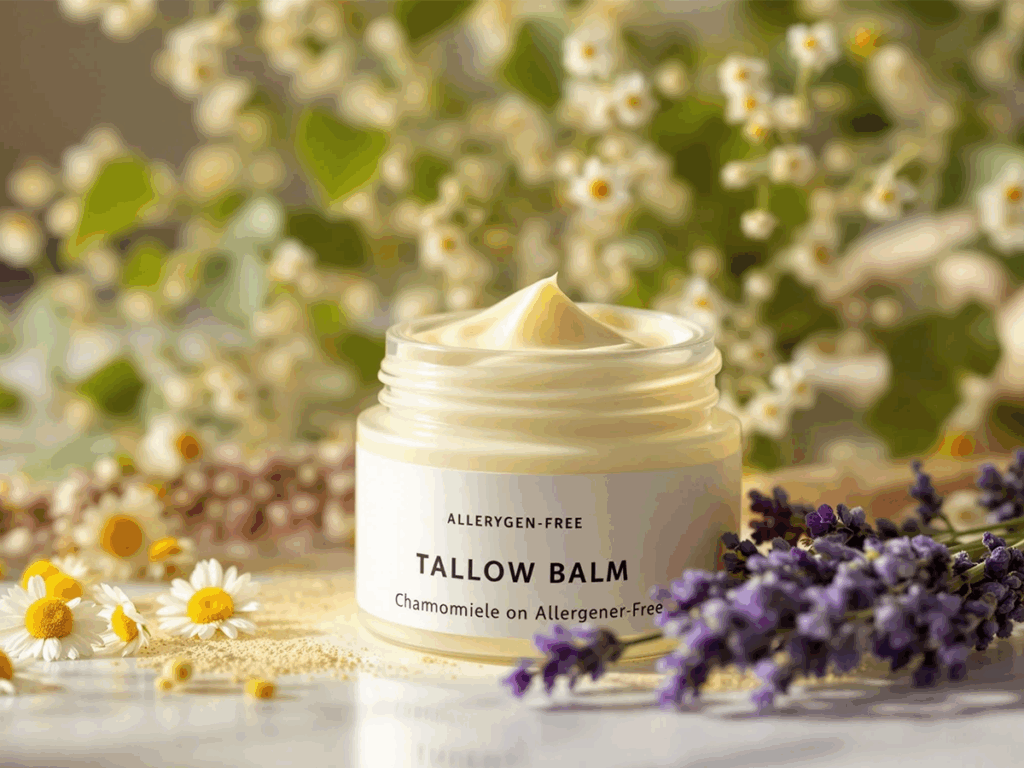
6. Scent and Sensory Profile
Scent and feel play a major role in how customers judge your product on first use. You want a base that supports the fragrance direction you plan to use and delivers the texture your brand prefers. This comparison shows how each ingredient behaves in real formulas. It helps your team choose the option that creates the best experience for your customers.
Natural Scent
- Tallow Cream: Raw tallow can carry a mild animal scent that needs masking during formulation. Your fragrance work must be more precise to achieve a clean final smell.
- Natural Plant Skincare: Natural plant skincare comes with softer, more pleasant natural scents that blend easily with added fragrance. This gives you smoother control over your final aroma.
Texture and Feel
- Tallow Cream: Creates a dense, balm-like texture that melts slowly into the skin. This heavier feel makes the product better suited for deep moisture or overnight use.
- Natural Plant Skincare: Natural plant skincare gives you smoother glide and faster absorption, which supports lighter and more versatile product types. You can adjust the texture easily by mixing different oils.
Takeaway
Natural plant skincare is easier to fragrance and offers a smoother sensory experience, giving you more creative room when shaping how your products feel. Tallow cream works well for richer products, but it needs more fragrance work and may not suit brands focused on lighter or fast-absorbing creams.
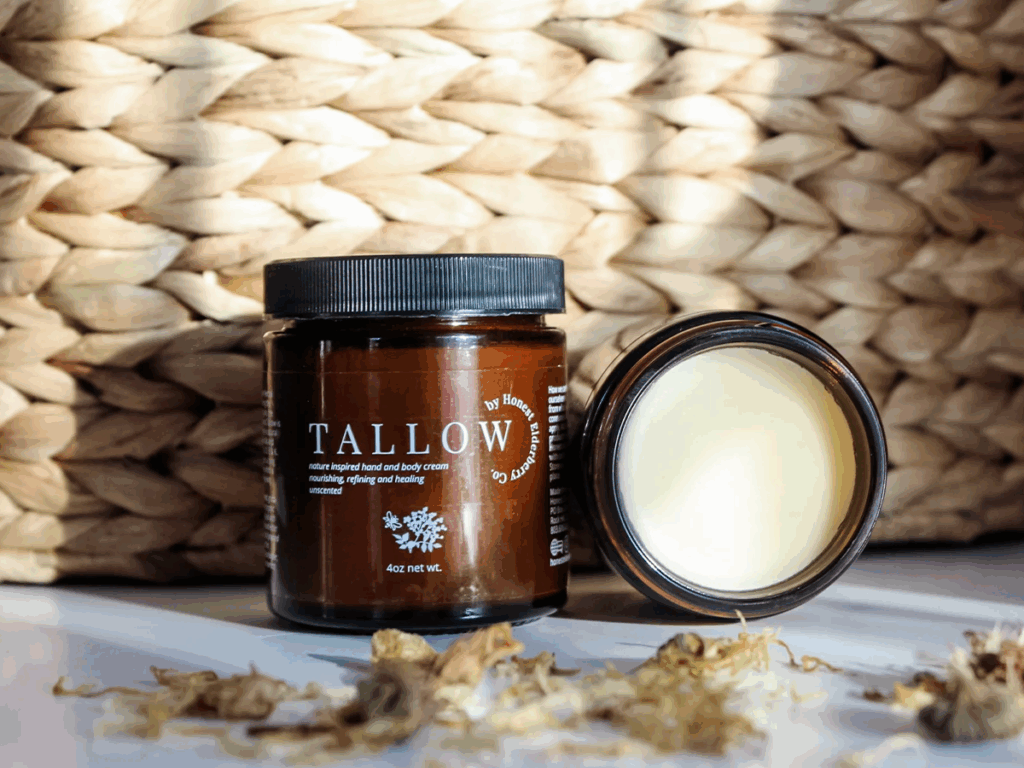
7. Product Stability
Stability affects shelf life, product safety, and the way your formula handles transport. You want a base that holds its structure and remains predictable over time. This comparison shows how each option reacts to heat, storage, and oxidation. These points help your team plan for long-term reliability.
Oxidation and Shelf Life
- Tallow Cream: Tallow is naturally resistant to oxidation, which helps maintain a longer shelf life. Your team still needs to check storage conditions to keep it fresh.
- Natural Plant Skincare: Natural plant skincare can oxidize faster depending on the oils you choose. Your formula may need antioxidants to protect the product over time.
Heat and Storage Behavior
- Tallow Cream: Tallow holds its structure well in cooler settings but may soften during high heat exposure. This means your packaging tests must confirm stability during transport.
- Natural Plant Skincare: Natural plant skincare stays fluid across temperature changes, which helps the product remain consistent during shipping. This can reduce texture issues in warmer climates.
Takeaway
Natural plant skincare handles temperature shifts more smoothly, making it easier to ship across different regions. Tallow cream holds strong against oxidation, but it may require more attention to storage and packaging if your products face heat during travel.
TY Cosmetic manages stability testing with controlled lab conditions so your formulas stay consistent through storage and shipping. Our team checks heat behavior, viscosity changes, and oxidation patterns to help you prevent issues before your product reaches the market. We support you from formulation to final testing to keep your line dependable as it grows.
If you want stable formulas backed by real lab data, TY Cosmetic can help.
8. Cost and Availability
Cost and availability can shape your pricing strategy, margin planning, and long-term supply needs. You want a base that fits your budget while staying reliable as your business grows. This comparison gives you a clearer view of how each option affects production. It also helps you plan for scale and supply security.
Cost Differences
- Tallow Cream: Costs can shift due to changes in livestock production, which makes long-term pricing harder to predict. Your team may need stronger supplier contracts to steady your cost planning.
- Natural Plant Skincare: Natural plant skincare offers a wider range of price points, from affordable oils to higher-end options. This gives you more freedom to match your formula to your budget.
Availability
- Tallow Cream: Availability depends on meat industry output, which may limit your scale during certain seasons. Larger production runs may require early planning and locked supply agreements.
- Natural Plant Skincare: Natural plant skincare is available from many regions, giving you more reliable year-round supply. This makes it easier to scale your line without worrying about shortages.
Takeaway
Natural plant skincare supports long-term growth more easily because you can adjust cost, sourcing regions, and supplier options as your business expands. Tallow cream can still fit your strategy, but it works best for brands with predictable production volumes and stable, slow-growing product lines.
9. 3 Factors To Consider When Choosing Tallow Cream vs. Natural Plant Skincare
Choosing the right base affects your product quality, cost, and how customers feel about your brand. You want a formula that supports your long-term plans and matches the kind of results your clients expect from you. These points help you look at the bigger picture before committing to either option. Here are the key factors you should look at before making your choice.
#1 Product Goals and Target Users
Your formula should match the needs of the customers you serve. If your line focuses on rich moisture, overnight repair, or specialty care, tallow cream may fit better because of its heavier profile. Natural plant skincare works well when you want lighter, smoother products that appeal to a wider range of users. Understanding what your customers expect helps you choose the base that supports your product direction.
At TY Cosmetic we combine global client experience with streamlined OEM/ODM services to help brands scale efficiently and reliably. Our team of R&D engineers and packaging specialists guides you from concept to launch, so you feel supported every step of the way. Partner with us today to bring your next product to market with confidence.
#2 Production Requirements and Formula Flexibility
Your production team needs a base that behaves well during batching, blending, and filling. Tallow cream requires heat and more careful handling because of its solid texture, which can slow down parts of the process.
Natural plant skincare blends easier and gives you more room to adjust texture, viscosity, and absorption. If you plan to expand your line or test new variations, plant-based systems will support that growth more smoothly.
#3 Long-Term Business Planning and Scaling
Your ingredient choice should support your growth plans, not limit them. Tallow cream can work well for smaller lines but may restrict your sourcing flexibility as demand rises. Natural plant skincare offers more supplier options and wider price ranges, which helps when scaling or planning new product launches. Choosing the option that supports steady expansion will save your team time and prevent supply issues later.
Conclusion
When our clients first compared tallow cream and natural plant skincare in our lab, they were just as unsure as you might be now.
But after seeing how each base works, the picture became clear. Both options can fit your line, but they serve different goals, textures, and customers.
This article walked you through every key point so you can make the right choice for your business. If you want support choosing ingredients or building your next product, we’re here to help. Contact TY Cosmetic today!