










A while back, one client came to us with a best-selling moisturizer and a tight restock date. They asked if they should stay with private label or move to contract manufacturing for their next run.
That kind of choice shows up at every stage of a brand. It can decide how fast you launch and how much control you keep.
At TY Cosmetic, we have made both private label and OEM/ODM products for many years in Guangzhou. We run multiple GMP factories and an in-house R&D team, so what you read here comes from real projects with business clients.
In this guide, you will see a clear side-by-side look at both models. We will cover cost, timing, formula control, and which one fits different business goals.
If you want to launch quickly, or you want a formula built around your own idea, this article will help you pick the better path.
So, let’s get started!
Quick Comparison Chart
Here’s a quick side-by-side snapshot to help you see the differences fast. We will unpack each point in more detail right after this.
| Factor | Private Label | Contract Manufacturing |
| What it is | Ready formula, your brand | Your formula, factory makes |
| Speed to market | Launch in weeks | Launch in months |
| Upfront cost | Lower starting spend | Higher starting spend |
| MOQ | Lower minimum orders | Higher minimum orders |
| Formula ownership | Factory owns base | Brand owns formula |
| Exclusivity | Shared base, less exclusive | Custom base, more exclusive |
| Quality control | Proven process, stable | More control, more checks |
| Risk profile | Lower production risk | More scale-up risk |
| Compliance and testing | Lighter testing load | Heavier testing load |
Keep this chart in mind as we dig into each topic in the sections ahead.
1. What is Private Label Manufacturing?
Private label manufacturing means you pick a ready-made product from a manufacturer and sell it under your own brand. The formula is already developed, so you focus on choices like shade, scent, packaging, and your label design. This setup is often used when you want to launch fast and keep the product working simple. You still control how the product looks and fits your market, while your manufacturer handles making it at scale.
2. What is Contract Manufacturing?
Contract manufacturing in cosmetics means you work with a manufacturer to produce a product based on your own formula or a formula built just for your brand. You can bring a finished recipe, or you can develop one with the manufacturer’s R&D team, then approve samples before production. This route gives your business more control over ingredients, performance, and how the product stands apart in your market.
3. Speed to Market
Speed to market matters when you are planning a launch or a restock for your brand. The faster you reach market, the sooner you can test demand and start earning back your spend. Private label and contract manufacturing can both work, but they move at very different speeds.
Typical Timeline
- Private Label: You start with a finished base formula, so you can move straight into picking packaging, shades, scent, and label design. If you already have clear brand assets, you can often go from selection to production in a few weeks.
- Contract Manufacturing: You are building or refining a formula with your manufacturer, so you need time for lab work, samples, feedback, and final approval. After that, stability checks and scale-up planning add more weeks, so your total lead time usually stretches into a few months.
Main Time Drivers
- Private Label: Your timeline is mostly driven by how quickly you make decisions and send clean design files. If you revise packaging or shades late, you may slow your own launch even though the factory is ready to produce.
- Contract Manufacturing: The biggest time driver is the formula process, since each change can mean another sample round and more testing. Your target market rules also matter, because extra safety or claim tests can add steps before you are allowed to ship.
Takeaway
If your main goal is to get a product on the market fast and start selling soon, private label usually matches that need better. But if your goal is to bring out a product that follows your own idea and long-term brand plan, contract manufacturing takes more time but gives you that deeper control.
At TY Cosmetic, private label is a core part of how we help brands launch and grow. Many business clients come to us when they need a fast path to market without giving up control over branding and product direction. This focus on private label is why many brands see us as a steady long-term partner for repeat launches and line expansion.
If you want to move fast with private label, share your product idea and timeline, and we can map the next step.
4. Upfront Cost
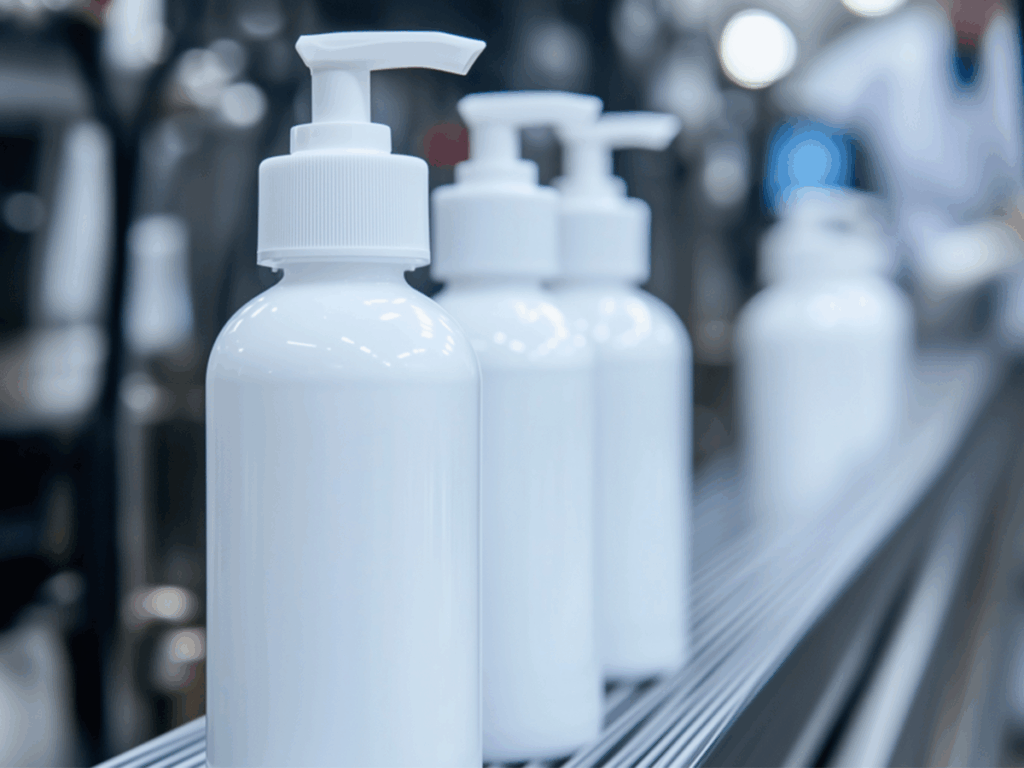
Upfront cost is the money you put in before your first batch ships. It includes things like product setup, samples, packaging choices, and any lab work needed. For your business, this cost sets the risk level of the launch and how soon you can break even. Private label and contract manufacturing spread these costs in very different ways, so it helps to see what you are paying for early on.
Cost Components
- Private Label: You pay mainly for finished formulas, packaging choices, and labeling, since the product base already exists. The cost is more predictable because most of the development work is already done.
- Contract Manufacturing: You pay for formula work, lab samples, testing, and setup before mass production begins. These steps raise the starting cost, especially if you want a custom texture, shade, or claim.
Budget Flexibility
- Private Label: This model lets you start with a smaller budget because you skip R&D spending at the start. It also makes it easier to test a product idea before you commit more money.
- Contract Manufacturing: The early spend is higher, so it fits better when your business is ready to invest in a longer plan. You may also need to set aside extra budget for revisions if the first samples are not close to your target.
Takeaway
Private label is usually the lower-cost way to get your first product out. Contract manufacturing costs more at the start, but it supports brands that want something built around their own plan.
5. Minimum Order Quantity (MOQ)
MOQ is the smallest number of units a factory will make in one run for your brand. It affects how much cash you lock into inventory and how flexible your launch plan can be. If you are testing a new market or new product, MOQ can decide how safe or stressful that first order feels. The MOQ for private label is often lower, while contract manufacturing usually needs a bigger run.
Typical MOQ Range
- Private Label: MOQs are often lower because the manufacturer already makes the base formula in bulk. This gives your business room to start small and add more SKUs without heavy stock pressure.
- Contract Manufacturing: MOQs are usually higher because the factory must set up a run just for your formula. The batch has to be large enough to cover setup time and material buying.
Impact on Inventory Risk
- Private Label: Lower minimums help you avoid overstock while you test demand. It also makes it easier to refresh or drop a product if sales move slower than expected.
- Contract Manufacturing: Higher minimums mean you hold more inventory upfront, so your sales plan needs to be clear before you commit. If demand shifts, you may sit on stock longer than you want.
Takeaway
Private label works well if you want to keep early inventory light and stay flexible. Contract manufacturing fits better when your demand is steady enough to support larger runs.
6. Formula Ownership and Exclusivity
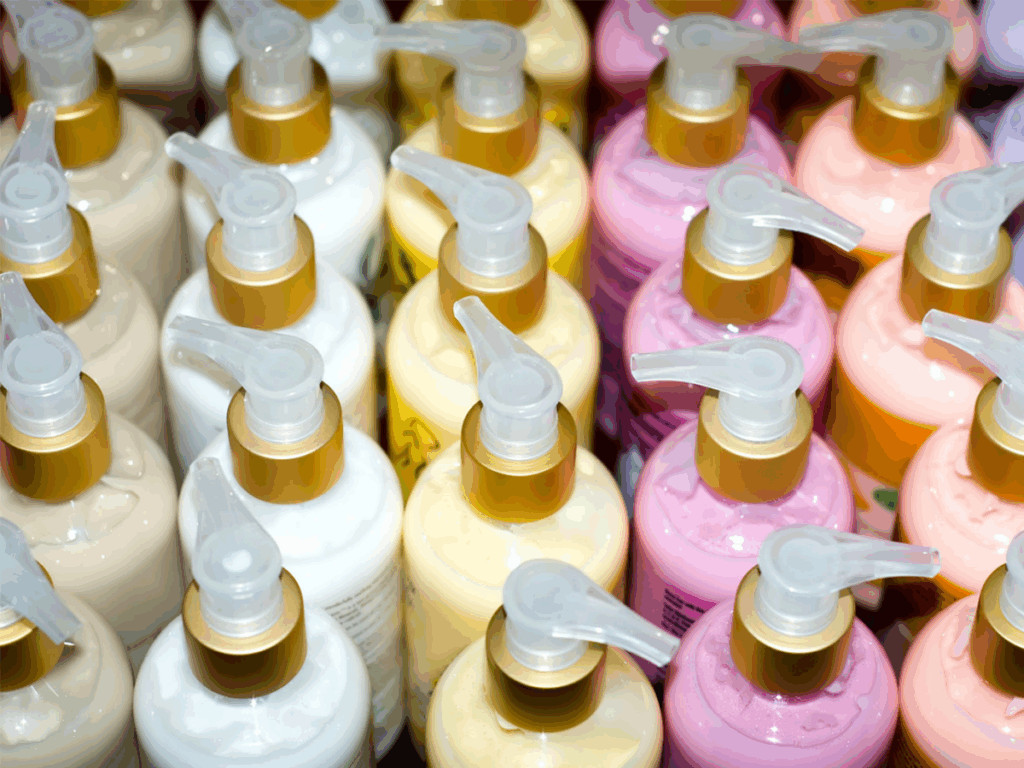
Formula ownership is about who controls the recipe behind your product. Exclusivity is about whether that same formula can be sold to other brands. These points matter if you want a product that feels truly tied to your brand story and long-term plan. Private label and contract manufacturing offer very different levels of control here.
Who Owns the Formula
- Private Label: The manufacturer owns the base formula, and your brand uses it under your label. You can adjust small details like scent or shade, but the core recipe is shared.
- Contract Manufacturing: Your brand can own the formula if it is built for you or provided by you. That gives you control over ingredients and future changes.
How Exclusive the Product Is
- Private Label: Since the formula is shared, other brands may sell a very similar product. You can still stand out with branding and packaging, but the product itself may not be one-of-a-kind.
- Contract Manufacturing: A custom formula can be locked to your brand, depending on the agreement you set. This makes it easier to build a clear product identity that competitors cannot copy fast.
Takeaway
Private label gives you a fast product base, but the formula is not yours alone. Contract manufacturing supports deeper ownership and stronger exclusivity if that matters to your brand story.
7. Quality Control and Risk
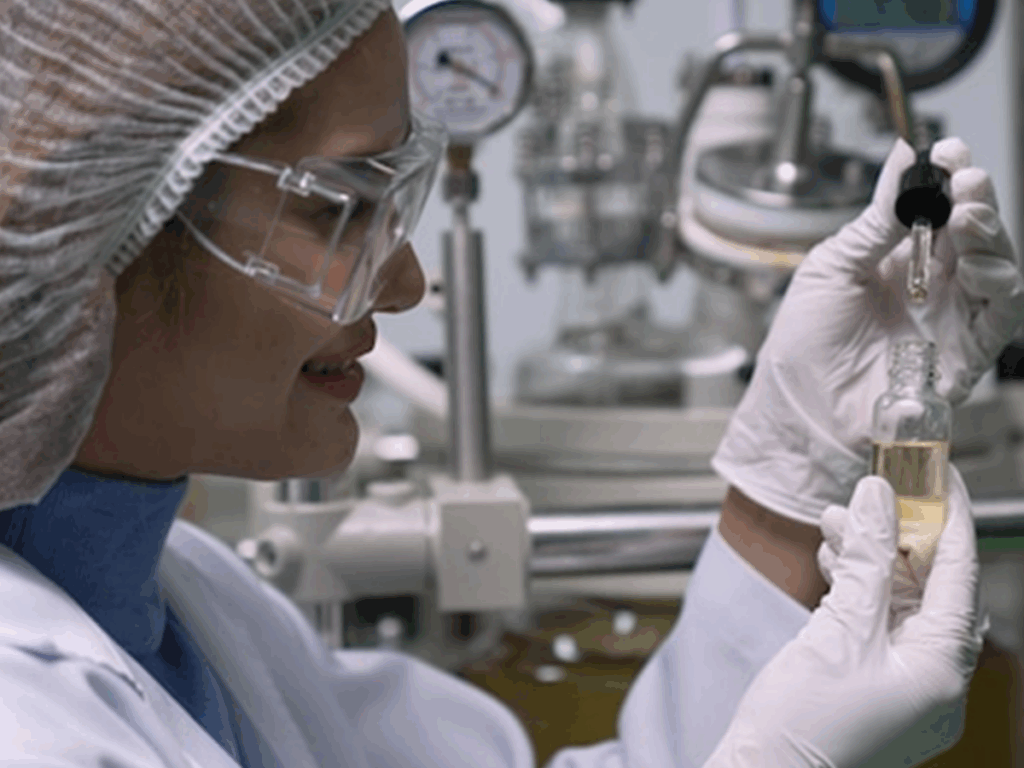
Quality control is how you keep every batch consistent in look, feel, and performance. Risk is what might go wrong during production, storage, or delivery. For a business brand, both affect your reputation and your cost of fixing issues later. The two models handle control and risk in different ways, so you want to know where the weak spots are before you pick one.
Control Over Production
- Private Label: The manufacturer follows a set process they already use for many brands, which keeps production stable. Your role is mainly to approve samples and packaging before the run.
- Contract Manufacturing: Production follows your formula and targets, so you have more input on raw materials and specs. That added control is useful, but it also means more checkpoints for your team.
Common Risk Areas
- Private Label: The main risk is limited control over the base formula, so a shared recipe may not match every market need. If you want changes beyond small tweaks, you may hit a wall.
- Contract Manufacturing: Risk often comes from formula changes during scale-up, where a lab sample must behave the same in a large tank. If that shift happens, the batch may need extra work before it meets your target.
Takeaway
Private label lowers production risk because the process is already proven at scale. Contract manufacturing gives more control, but it brings more points where things can drift if not managed well.
With TY Cosmetic private label, brands get a process that is already tuned for steady batch results. Each run follows fixed production checks, so texture, color, and fill stay consistent from order to order. Our team also helps you review samples and packaging details early, which cuts down surprise issues later. This setup is a good fit if you want stable quality without carrying a heavy production workload on your side.
If you want to see how our private label quality flow can support your next launch, react out to TY Cosmetic today.

8. Compliance and Testing Load
Compliance and testing are the steps you need to meet safety rules in the markets where you sell. This can include stability checks, safety tests, and paperwork linked to your label claims. The more work you carry here, the more time and budget your launch will require. Private label often comes with lighter testing needs, while contract manufacturing usually asks for more from your side.
Testing Responsibility
- Private Label: The manufacturer usually has safety and stability data ready for the base formula. Your work focuses on matching paperwork to your label claims and target country rules.
- Contract Manufacturing: Testing often happens from scratch because the formula is new or adjusted for your brand. That means more sample rounds and more documents to review before selling.
Regulatory Workload
- Private Label: Compliance is lighter because the product already fits common market standards. If you keep claims simple, your path to approval is usually smoother.
- Contract Manufacturing: The workload grows with every custom claim or active ingredient choice you make. Different markets may require extra tests, so planning early saves you from late surprises.
Takeaway
Private label keeps compliance and testing simpler for your team. Contract manufacturing needs more testing and paperwork, but it supports brands that want custom claims or formulas.
9. 3 Factors To Consider When Choosing Between Private Label and Contract Manufacturing
Choosing between private label and contract manufacturing is not about which one is “better” in general. It is about what fits your brand stage, budget, and product goal right now. Here are the main points to weigh before you decide.
#1 Brand Stage And Launch Goal
If you are launching your first few SKUs, private label can help you get into the market fast without a long build-up. It lets you test demand, pricing, and positioning with less early pressure. If you already have steady sales and a clear product vision, contract manufacturing can support that next step. This route works best when your goal is to build a product that carries your brand story long term.
At TY Cosmetic, private label is one of the main ways we support growing cosmetics businesses. You can choose from ready formulas, then shape the look through packaging, shades, scent, and branding. Our team helps you move from selection to production in a clear, guided flow, so your launch stays simple. This option works well for brands that want speed, lower early risk, and a smooth first run.
If you want to explore private label options that fit your market, tell us what product type you are planning and your target launch window.
#2 Budget, Cash Flow, And Risk Comfort
Private label usually needs less upfront spend, so it is easier on cash flow in the early months. Many businesses use it to reduce risk while they figure out what sells and where repeat orders will come from.
Contract manufacturing asks for more early investment in formula work and testing, so your budget plan needs more breathing room. It fits better when your business can wait longer for payback because the product plan is bigger than a quick launch.
#3 Control Needs And Market Positioning
With private label, your control sits mostly in branding, packaging, and speed, which can be enough if your edge is sales channel or fast trend response. You get a proven base product, then shape how it looks and feels in your market.
With contract manufacturing, you can guide the best ingredients, performance, and claims to match your product idea in detail. This is helpful if your space is crowded and you need the product itself to be the main reason buyers choose you.
Conclusion
You have now seen how private label and contract manufacturing compare on speed, cost, MOQ, control, risk, and testing. The client from our opening story chose private label for their urgent restock, and the product hit shelves on time.
With sales steady again, they can plan a custom formula later without pressure. Use the same step-by-step thinking for your brand.
Pick the model that fits your stage and budget today, then grow from there. If you want the full picture again, scan the guide once more and weigh each factor. Contact TY Cosmetic today!