








Many new beauty entrepreneurs tell us the same thing: starting a skincare line feels exciting but also a bit overwhelming. With so many options, rules, and decisions, it’s easy to feel stuck before you even begin.
And that’s exactly why this guide was created, to help you move from uncertainty to clarity.
As TY Cosmetic, we’ve supported thousands of businesses worldwide with OEM and ODM skincare manufacturing. From one factory to now three, plus a full R&D lab, we’ve built our name on quality, service, global compliance, and sustainable formulas.
You can trust that every insight here comes from nearly two decades of real industry work.
In this article, you’ll learn every key step in building your skincare line: choosing your niche, researching trends, selecting product types, ensuring safety, planning packaging, and choosing the right manufacturing model. Everything is laid out simply so your intent is fully met.
And once you see how manageable the process can be, you’ll feel ready to move forward with confidence.
So, let’s get started!
Step#1 Define Your Niche and Brand Identity
Choosing the right niche is one of the smartest moves you can make when starting a skincare line. The market is crowded, and buyers want brands that speak directly to their needs. A clear niche helps you stand out, earn trust faster, and build a stronger connection with your customers.
Popular Skincare Niches You Can Focus On
- Natural / Organic: Great for brands that want clean, plant-based formulas without harsh chemicals. Customers in this niche care about safety, transparency, and ingredients they can pronounce.
- Anti-Aging: One of the most profitable niches with consistent demand. This segment focuses on wrinkle control, firmness, hydration, and overall skin rejuvenation.
- Sensitive Skin: Perfect if you want to create gentle, low-irritation formulas. This niche appeals to people who struggle with redness, allergies, and reactions.
- Acne Care: Always in demand because acne affects teens and adults. Brands in this niche focus on clarifying, oil control, and soothing inflamed skin.
- Dermatology-Inspired: Ideal for brands that want a science-backed identity. These products often highlight clinical ingredients, lab-tested formulas, and visible results.
- Luxury Skincare: Appeals to customers who want premium textures, packaging, and elevated ingredients. This niche relies heavily on branding and experience.
- Minimalist (Skinimalism): Targets buyers who prefer simple routines with fewer products. Clean formulas, short ingredient lists, and multi-use products define this niche.
- Men’s Skincare: A growing segment focused on easy, straightforward routines. Men want fast results, simple textures, and clear product benefits.
Crafting Your Brand Identity
Your niche shapes everything, your story, values, packaging, and the customers you speak to. Think about who you want to serve and what problems you want to solve. Define your target customer by age, lifestyle, budget, and pain points, then build a brand identity that speaks directly to them. The clearer your positioning, the faster your skincare line will stand out in the market.
Step#2 Research Market Trends and Competitors
Before you choose your products or formulas, it’s important to understand what people are actually buying and talking about. Trends change fast in the skincare world, and staying updated helps you build products that your customers already want.
At TY Cosmetic, we rely on real market data and daily industry insights to guide brand owners toward smarter decisions. With almost two decades of OEM/ODM experience, we’ve seen how the right trend research can shape a winning product line. Our team uses this same approach to help you make choices that fit both today’s demand and long-term growth.
Tools to Research Skincare Trends
Use these simple tools to spot what’s hot, what’s rising, and what customers are searching for:
- Google Trends: Helps you see search interest over time and compare topic popularity. Great for spotting rising ingredients or product categories.
- TikTok: Viral beauty trends often start here. Look for hashtags, creators, and products that consistently pop up.
- Instagram: Check what influencers, skincare brands, and retailers are posting. Trends often show up in Reels, skincare routines, and product features.
- Retail Data (Sephora, Ulta, Amazon): Look at best-seller lists, customer reviews, and “New Arrivals.” This reveals real buying behavior, not just social interest.
What to Look For
Studying your competitors helps you understand where your brand can shine. Look at their best-selling products, pricing, packaging, messaging, and customer reviews. Pay attention to product gaps—maybe they don’t offer fragrance-free options, or their packaging isn’t eco-friendly. Reviews are especially helpful because customers often point out what they wish existed. These gaps can give your brand a strong advantage.
Identifying Your Unique Value Proposition (UVP)
Your UVP is what makes your skincare line different from everything else on the market. It could be your ingredient choices, your sourcing, your sustainability promise, or even your pricing strategy. Think about how you want customers to describe your brand in one clear sentence. When your UVP is strong and easy to understand, your brand becomes much easier to remember—and much easier to sell.
Step#3 Choose Your Product Types
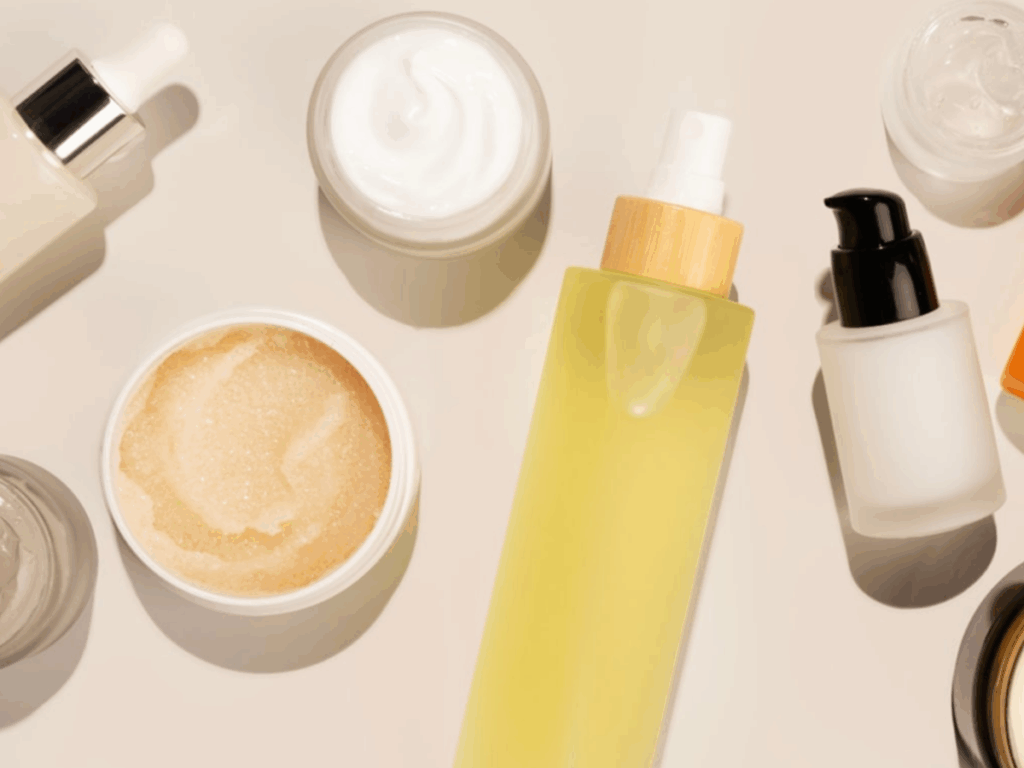
Once your niche is clear, the next step is choosing product types that match your customers’ needs. A focused product lineup helps you stay organized, manage costs, and build a routine your audience will actually follow.
Popular Product Types to Consider
- Cleansers: These are the first step in any skincare routine because they remove dirt, makeup, and oil. By starting with a clean base, every product that follows works more effectively.
- Toners: Toners help balance the skin right after cleansing, which keeps it calm and hydrated. This step also prepares the skin to absorb serums and moisturizers better.
- Serums: Serums target specific concerns like acne, aging, or dark spots. Because they contain concentrated actives, they often become the “hero” product in a skincare line.
- Moisturizers: Moisturizers lock in hydration and support the skin barrier. They also help seal in the benefits of serums, making them essential for visible results.
- Sunscreens: Sunscreens protect the skin from UV damage, which is a major cause of aging and discoloration. With rising awareness, this category has become one of the most in-demand essentials.
- Face Masks: Masks give the skin an instant boost, making them great for deep hydration, brightening, or detoxing. Customers love them because they offer quick, noticeable improvements.
- Exfoliators: Exfoliators remove dead skin cells to smooth texture and brighten the complexion. By clearing away buildup, they also help other products absorb more effectively.
- Eye Creams: Eye creams target the delicate under-eye area, where signs of aging often appear first. This makes them valuable add-ons for customers who want a complete routine.
- Body Care Products: Lotions, scrubs, and body treatments have become popular as self-care trends grow. Many brands use body care to expand their line without complicating the skincare routine.
Step#4 Formulate Your Products
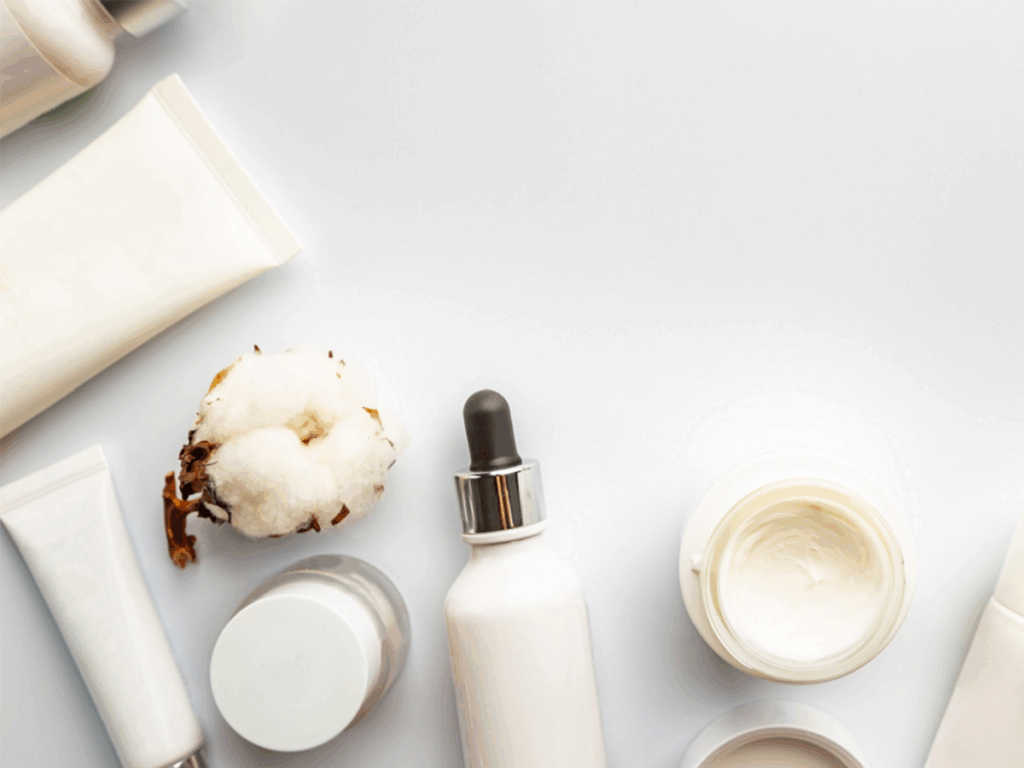
Now that you know your product lineup, it’s time to decide how those products will be made. Formulation is where your ideas turn into real, workable skincare products. Whether you want something custom, simple, or fast to market, understanding your options helps you choose the right path.
Choosing Your Formulation Approach
You have several ways to bring your formulas to life.
- In-House Formulation gives you full control but requires equipment, lab space, and scientific expertise.
- Hiring a Cosmetic Chemist is ideal if you want unique formulas without building your own lab.
- Private Label lets you choose ready-made formulas and launch quickly with lower cost.
- OEM/ODM gives you custom formulas, professional R&D support, and full manufacturing done for you.
Key Ingredients and Clean Beauty Factors
Understanding active ingredients helps you create products that actually deliver results. Retinol boosts cell turnover, niacinamide brightens and calms, vitamin C evens tone, peptides support firmness, hyaluronic acid hydrates deeply, and AHAs/BHAs smooth and exfoliate the skin.
As you choose ingredients, consider clean beauty expectations like “free-from” lists, EWG-friendly choices, and sustainable ingredient sourcing. These factors can shape your brand identity and appeal to conscious consumers.
Testing for Stability and Safety
Before launching, every formula needs proper testing to make sure it stays safe and effective over time. Stability testing checks how your product holds up under heat, light, humidity, and long-term storage. Safety testing ensures the formula is non-irritating, microbiologically safe, and compliant with your region’s regulations. These tests protect your customers and safeguard your brand’s reputation.
Step#5 Ensure Legal Compliance and Safety
Once your formulas are ready, the next step is making sure your products are legally compliant and safe for customers. Skincare is heavily regulated, and following the rules helps you avoid fines, delays, or product recalls. Taking the time to understand these requirements protects both your brand and your buyers.
Understanding Regulations and Labeling Rules
In the U.S., the FDA oversees skincare products, but most skincare items fall under cosmetics, not drugs. If your product makes stronger claims like treating acne or reducing wrinkles, it may be classified as OTC, which has much stricter rules.
No matter which category you fall under, your labels must follow INCI naming, proper ingredient order, required warnings, and only approved marketing claims. Clear and compliant labels help customers trust your brand and keep you aligned with U.S. regulations.
Testing for Safety and Product Stability
Every skincare product should go through important tests to ensure it’s safe to use. Patch testing checks for irritation, stability testing confirms your formula stays effective over time, and microbial testing ensures there’s no harmful bacteria or mold. These tests help confirm your product is safe before it reaches your customers. Strong testing also reduces returns, complaints, and long-term issues.
Certifications That Strengthen Your Brand
- Organic Certification: Ensures your ingredients meet strict organic farming and processing standards, which appeals to natural-focused customers.
- Cruelty-Free Certification: Shows that your products and ingredients were not tested on animals, a major selling point for ethical buyers.
- Vegan Certification: Confirms your formulas contain no animal-derived ingredients, which is important for plant-based and clean beauty markets.
- GMP Certification: Proves your products were manufactured in a facility that follows Good Manufacturing Practices, strengthening trust and retailer acceptance.
These certifications aren’t always required, but they can give your brand a strong competitive edge and increase customer confidence.
Step#6 Choose Your Manufacturing Model
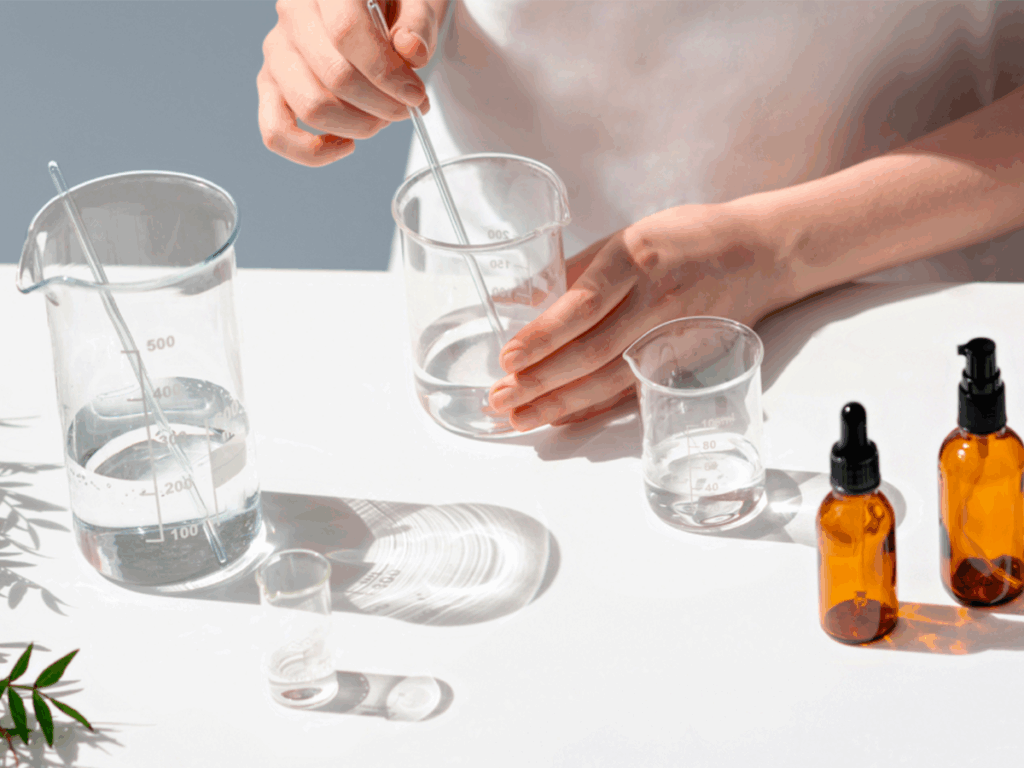
Now that your formulas and compliance plans are clear, it’s time to decide how your products will actually be produced. Your manufacturing model affects your budget, speed to market, flexibility, and long-term brand growth. Understanding your options helps you choose the path that fits your goals.
Understanding Your Production Options
- Private Label: This is the fastest and most budget-friendly option because you use ready-made formulas that are already tested and stable. You only change the packaging and branding, making it ideal for quick launches.
- OEM: With OEM, you start from an existing formula and tweak it to fit your brand’s needs. It gives you more flexibility without the time and cost of creating a formula from scratch.
- ODM / Contract Manufacturing: This route gives you a fully custom formula built from the ground up. It’s perfect for brands that want unique, innovative products with complete control over ingredients and performance.
The right manufacturer should match your quality standards, timeline, and brand goals. Look for partners with proven R&D support, reliable certifications, consistent samples, and transparent communication. Always ask about minimum order quantities (MOQs) so you understand production requirements. When negotiating, start small to test the market, then increase orders as your brand grows.
Red Flags to Watch Out For
- Lack of Documentation: If a factory cannot provide COAs, testing reports, or ingredient lists, it signals poor compliance. This can lead to safety issues and legal trouble later.
- Unrealistically Low Pricing: Very low pricing often means weak quality control or cheap ingredients. It may save money upfront but can damage your brand long-term.
- Poor Communication: Slow or unclear responses usually lead to bigger problems during production. You need a manufacturer who communicates clearly and consistently.
- Inconsistent Samples: When samples change from batch to batch, it suggests unstable formulas or sloppy production. This can ruin customer trust once your products launch.
Step#7 Packaging and Branding
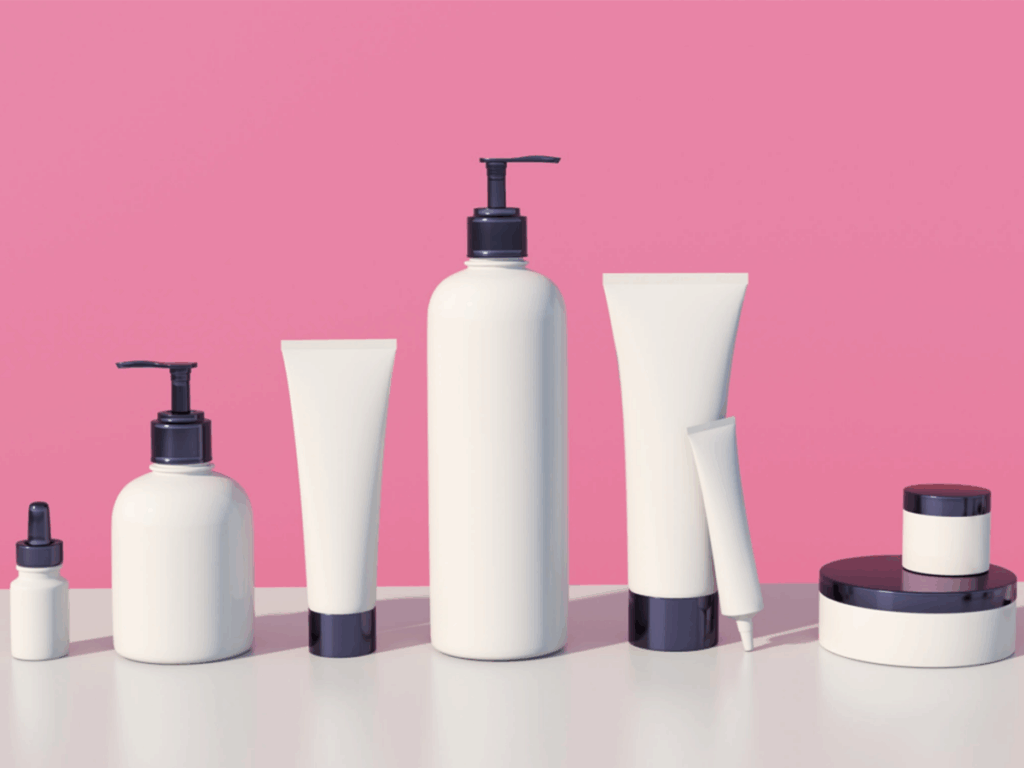
Your packaging is the first thing customers see, so it needs to match your niche and make a strong impression. Good branding brings your whole product line together and helps customers instantly recognize your style, values, and promise.
Modern Packaging Trends to Consider
- Minimalist Designs: Clean layouts, simple fonts, and soft colors help your products look modern and premium. This style builds trust because it feels clear and honest.
- Eco-Friendly Materials: Many brands now use recycled plastics, glass, or biodegradable packaging. This appeals to customers who care about sustainability and want to support greener choices.
- Refillable Systems: Refill pods and reusable containers reduce waste and increase customer loyalty. This trend also helps you create long-term repeat buyers.
- Airless Pump Bottles: These protect active ingredients from air and contamination. They also give your brand a high-end look and improve product safety.
Branding, Labeling, and Design Essentials
Every product must follow legal labeling rules, including accurate INCI ingredient lists, required warnings, and compliant claims.
This keeps your packaging both professional and legally safe. When building your brand identity, work with designers who understand skincare aesthetics, especially for labels, outer packaging, and your overall visual style. A well-designed brand look helps your products stand out on shelves, online stores, and social media.
Step#8 Distribution and Sales Channels
Once your product line and branding are ready, it’s time to decide how you’ll get your skincare into customers’ hands. Your distribution strategy affects your visibility, pricing, and long-term growth.
At TY Cosmetic, we support brands at every stage of this process, from planning to scaling. We’ve seen how choosing the right channels can turn a small startup into a strong, profitable brand. No matter which route you choose, our goal is to help you launch smoothly and grow with confidence.
Key Sales Channels to Explore
- Direct-to-Consumer (DTC): Selling through your own website gives you full control over pricing, branding, and customer experience. This channel also builds stronger loyalty because you connect directly with your audience.
- Wholesale and Retail Partnerships: Working with boutiques, beauty stores, and retailers helps you reach more customers quickly. This is great for brands that want visibility and consistent order volume.
- Amazon and Online Marketplaces: Platforms like Amazon, Shopee, or Lazada give you huge traffic and fast exposure. They’re competitive, but they can scale quickly if your branding and reviews are strong.
- Spas, Salons, and Dermatology Clinics: These businesses love carrying professional skincare lines they trust. This channel is perfect for brands focused on results-driven or treatment-based products.
- Pop-Up Shops and Events: Temporary setups at malls, fairs, or beauty events help customers try your products in person. It’s also a great way to test new markets before committing long-term.
Conclusion
We began by talking about how easy it is to feel stuck when starting a skincare line, and now you can see that the process doesn’t have to be confusing.
Each step in this guide works together to help you move from idea to finished product.
TY Cosmetic is here to support your brand with safe formulas, strong R&D, and real industry experience. Your next step can be the start of something big. Don’t wait to bring your vision to life. Contact us today!