












A client once came to us frustrated. Their customers were complaining that the whitening toothpaste from their last supplier didn’t whiten teeth at all. Shelves were full, but repeat orders stopped coming.
That experience hit close to home. It reminded us why testing and ingredient balance matter in every whitening formula.
At TY Cosmetic, we’ve helped many toothpaste brands fix these exact issues. As a manufacturer with years of R&D and large-scale production experience, we know how each ingredient, from abrasives to whitening agents, affects real results. Brands trust us because we build every formula on tested science, not guesswork.
In this article, we’ll walk you through how whitening toothpaste actually works, why some brands fail, and what makes a formula effective. You’ll find every answer you’re looking for before choosing your next supplier.
Because in this business, performance decides customer loyalty.
So, let’s get started!
1. What is Whitening Toothpaste?
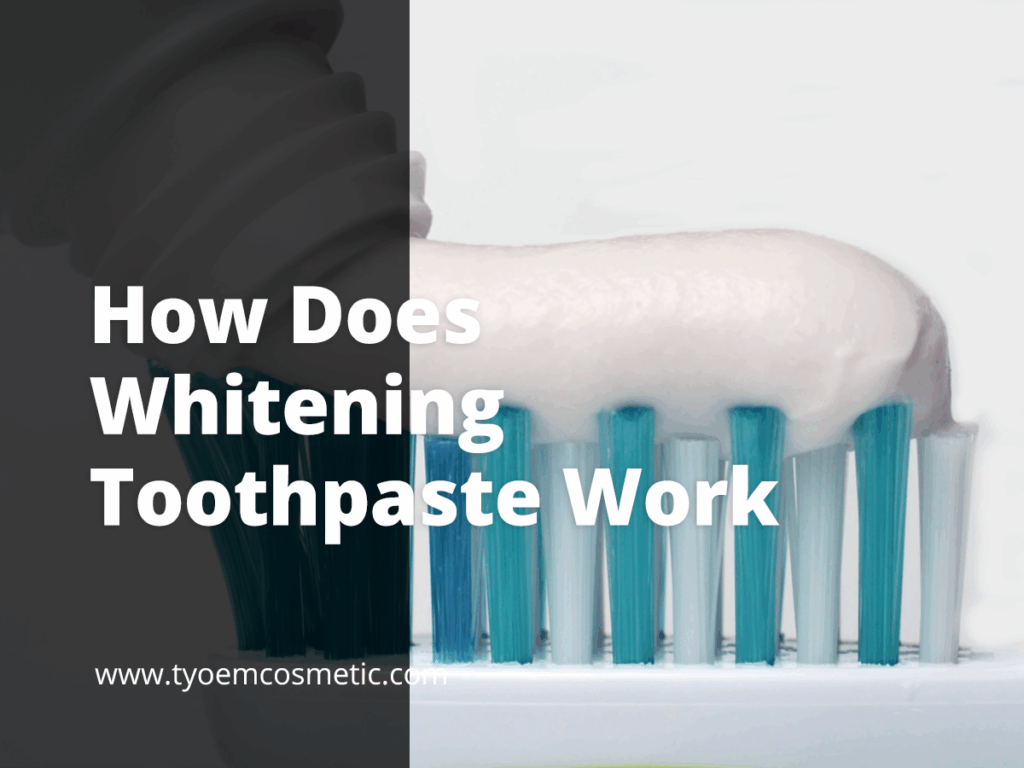
Whitening toothpaste is a type of toothpaste made to remove surface stains and make teeth appear brighter. It doesn’t bleach teeth like professional whitening treatments do, it works through mild abrasives and special cleaning agents that polish away discoloration. For your brand, it’s often the first step customers take toward a whiter smile without extra treatment steps.
As a business, you want a formula that balances cleaning power with enamel safety. A good whitening toothpaste should lift stains caused by coffee, tea, or smoking while keeping the formula gentle enough for daily use. When done right, it builds trust with your buyers and keeps your product line performing well on the shelf.
2. Ingredients of Whitening Toothpaste That Make It Work
When you’re choosing or developing a whitening toothpaste formula for your brand, it’s important to know what each ingredient actually does. Not every “whitening” claim means the same thing, and your customers will notice the difference.
Below is a simple breakdown of the key ingredients that make whitening toothpaste work and how each one contributes to visible results.
| Ingredient | Function | How It Helps Whitening |
| Hydrated Silica | Mild abrasive | Gently removes surface stains without scratching enamel, making teeth appear smoother and brighter. |
| Calcium Carbonate | Polishing agent | Buffs and cleans tooth surfaces to lift stains caused by food, coffee, or tobacco. |
| Hydrogen Peroxide | Whitening agent | Chemically breaks down deeper stains inside the enamel for a gradual whitening effect. |
| Sodium Tripolyphosphate | Anti-stain agent | Prevents new stains from forming by reducing the adhesion of pigments to teeth. |
| PAP (Phthalimidoperoxycaproic Acid) | Non-peroxide whitener | Offers gentle whitening for sensitive users while still improving brightness. |
| Sodium Fluoride | Remineralizing ingredient | Strengthens enamel, which helps protect teeth while whitening agents work. |
| Sorbitol or Glycerin | Moisturizers | Keep the paste smooth and prevent drying, improving shelf stability. |
| Flavoring Agents | Taste enhancers | Provide a pleasant minty feel that supports daily use compliance. |
At TY Cosmetic, we use only high-grade raw materials sourced from trusted global suppliers to keep every formula safe and effective. We customize ingredient ratios to match your brand’s whitening goals, whether you need gentle daily care or intensive brightening. Every formula goes through performance and shelf-life testing to maintain consistency from the first batch to the last.
If you’re ready to develop or improve your whitening toothpaste line, our R&D team is here to help you create a formula your customers will trust and reorder.
3. How Whitening Toothpaste Works
Whitening toothpaste works through simple but effective processes that you can easily explain to your team or clients. Each part of the formula plays a role in cleaning, polishing, and protecting teeth. Understanding how these steps interact helps your business choose the right formulation for consistent whitening performance.
- Lifting Surface Stains: The first action happens through mild abrasives like silica or calcium carbonate. These gently polish the surface, removing stains from coffee, tea, or smoking without scratching enamel.
- Breaking Down Deep Stains: Next, whitening agents such as hydrogen peroxide or PAP go deeper. They break chemical bonds inside the enamel where dark stains build up, helping teeth appear cleaner over time.
- Protecting Enamel During Whitening: A strong whitening toothpaste balances cleaning power with enamel protection. Ingredients like fluoride rebuild and strengthen tooth surfaces so whitening stays safe for daily use.
- Keeping Teeth Whiter for Longer: Anti-stain agents like sodium tripolyphosphate work in the background to block new stains from sticking. For your brand, this means a formula that doesn’t just whiten, it helps customers maintain brightness longer.
When you understand how whitening toothpaste works, you can better control how your product performs in the market. Choosing the right formula means giving your customers real, visible results that keep them coming back for more.
4. What Affects Whitening Results
Different brands like yours often ask why some whitening toothpaste works better than others. The answer usually lies in how the product is made, its color formulation, how it’s stored, and how it’s used. When you understand what affects whitening results, you can make smarter choices for your brand and your customers.
Here are the main factors that directly affect whitening results and what you can do to improve them.
Ingredient Quality and Concentration
You’ve probably noticed how some suppliers promise quick whitening but don’t deliver results. That usually happens because the ingredient quality or concentration isn’t right. High-grade silica polishes teeth more evenly, and stable peroxide levels lift stains faster. But too much peroxide can cause irritation, while too little makes the toothpaste ineffective.
Your goal is to find that sweet spot where the product whitens safely and keeps your customers satisfied. At TY Cosmetic, we prioritize premium ingredients that meet international safety and performance standards. Our R&D team carefully adjusts concentration levels to match each brand’s target market, whether you need mild daily whitening or a stronger intensive formula.
With TY Cosmetic as your partner, you get more than a supplier, you get a manufacturing team dedicated to helping your whitening toothpaste stand out for all the right reasons. Talk to our team today for expert guidance.
Type of Stains on Teeth
Your customers won’t all have the same type of stains. Coffee, tea, and smoking leave surface stains that whitening toothpaste can easily remove. Deeper stains caused by medication or aging need longer use or stronger formulas. When you understand this, you can set clear claims and avoid customer disappointment. Honest labeling builds trust and keeps your brand’s reputation strong.
User Habits and Brushing Technique
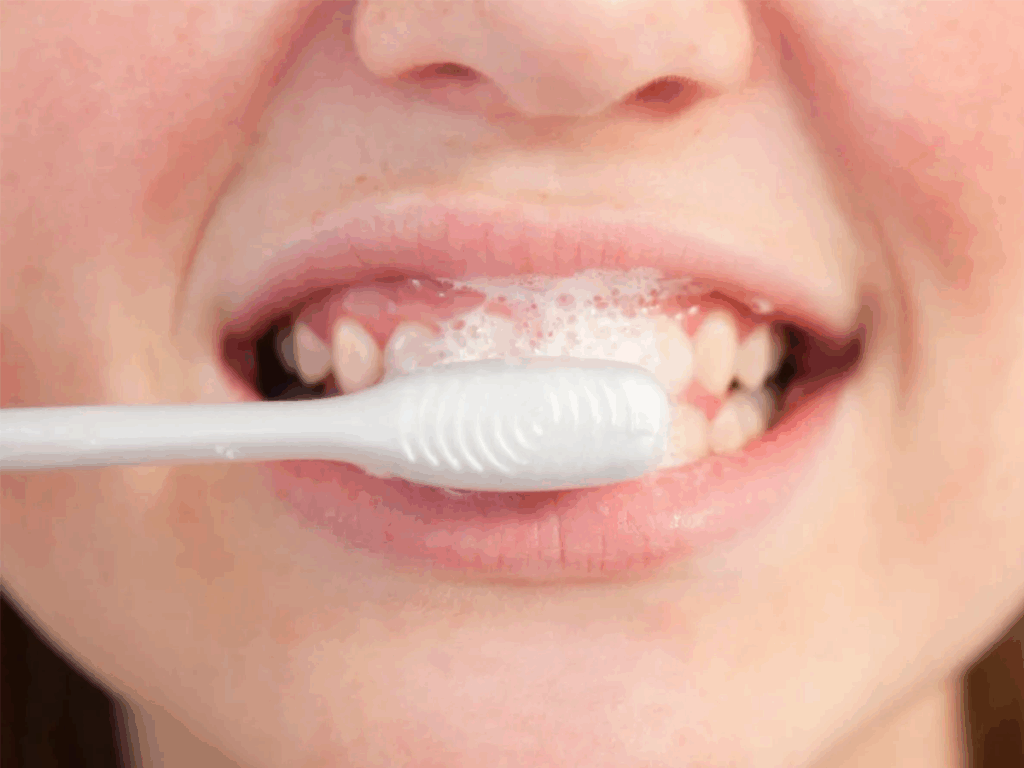
Even the best formula can fail if your customers don’t brush correctly. Rushed brushing or missing certain areas means the whitening agents can’t fully work. That’s why it helps to guide your buyers on usage, simple directions like brushing for two minutes can make a big difference. You can even include visual usage or short tips on your packaging. The better your customers use the product, the better your brand looks.
Formula Stability and Packaging
If your formula loses strength before it reaches the shelf, whitening results will fade fast. Ingredients like hydrogen peroxide can break down under light or air exposure. That’s where packaging design becomes part of product performance. Using airtight, opaque tubes keeps your whitening agents active longer. Stable packaging doesn’t just protect your formula , it protects your brand’s reputation.
5. How Long Does It Take To See Result?
Every brand wants to tell customers how soon they’ll see whiter teeth, but the answer isn’t the same for every formula. The timeline depends on the ingredients, stain type, and brushing habits. Here’s a simple breakdown to help you set realistic claims and communicate better with your buyers.
- The First Week: In the first few days, whitening toothpaste mainly removes surface stains. Your customers might notice a cleaner, smoother feel before seeing visible whitening.
- Two to Four Weeks: This is when most customers start seeing results they can notice. Active ingredients like hydrogen peroxide or PAP gradually lift deeper stains during this period.
- One to Two Months: Consistent users see the biggest improvement here. The enamel looks brighter, and new stains form more slowly with continued use.
- Long-Term Maintenance: Results last longer when customers stick to proper brushing and avoid heavy staining foods or drinks. For your brand, promoting steady use builds trust and keeps your whitening line performing well.
When you understand how long whitening takes, you can guide your buyers with confidence and accuracy. Honest timelines protect your brand’s credibility and help your customers see real, lasting results.
6. Best Practices For Effective Results
Getting consistent whitening results isn’t just about having good ingredients. It’s about how the toothpaste is used, how it’s packaged, and how well you support your customers with the right information. Here are a few best practices that can help your brand deliver visible results and stronger customer trust.
Focus on Formula Balance
You already know that whitening performance depends on how ingredients work together. Too much abrasive power can harm enamel, while too little leaves stains behind. The key is finding balance—enough cleaning strength to lift stains while keeping the enamel safe.
At TY Cosmetic, we focus heavily on formulation balance through research, ingredient testing, and pilot production runs. Our in-house lab analyzes every formula for consistency and whitening efficiency before scaling up. This process helps brands like yours avoid weak results or overly aggressive abrasives. When your whitening toothpaste is backed by our testing and development standards, it performs reliably.
If you’re developing or upgrading your whitening line, TY Cosmetic can help you create a balanced, high-performing formula that delivers visible results.
Communicate Usage Clearly
Your customers rely on instructions to get results, so clear guidance makes a real impact. Simple visuals or short brushing tips on your packaging can help users follow proper habits. Encourage brushing for at least two minutes and consistent daily use. When you guide your buyers to include these directions, your product performs better in real conditions. Clear communication builds trust and improves feedback from end users.
Monitor Feedback and Adjust Formulas
The market changes fast, and your customers’ feedback is your best research tool. Pay attention to what distributors and end users say about your whitening products. Are results taking too long? Are users reporting sensitivity? Use that data to fine-tune the formula with your manufacturer. Regular updates show your brand cares about results and continuous improvement, not just production.
Conclusion
Our client who once struggled with poor whitening results now has customers returning for repeat orders. That’s what happens when the right formula and ingredients come together.
Whitening toothpaste works best when balance, quality, and consistency are built into every tube. At TY Cosmetic, we’ve learned that real results depend on care at every stage, from ingredient testing to packaging.
If you want your whitening toothpaste to perform as promised, start with a manufacturer who understands your goals. Contact us today!