












You may have had this moment too. A client asks for an exfoliating gel, but they are not sure how it works or which ingredients make it effective. Many brands face this same challenge when planning new products.
These questions often open the door to a deeper look at how exfoliating gels work on the skin.
This is where our team at TY Cosmetic comes in. We work with skincare brands, spas, and start-ups every day, testing formulas and studying how each ingredient performs in real use.
In this article, you will learn how exfoliating gel works, which ingredients matter, and what benefits it offers. The goal is to give you clear answers that match your intent.
If you want simple guidance without confusion, you are in the right place.
So let’s begin!
1. How Exfoliating Gels Actually Work
Before choosing or creating an exfoliating gel, it helps to understand what is happening on the skin. Many brands and professionals want a clear picture of how these gels work and why they feel gentle yet effective. Below is a simple breakdown of each part of the process.
Understanding the Skin’s Natural Cycle
The skin sheds dead cells each day, but this natural cycle slows down with age, stress, and daily exposure. When dead skin builds up, it creates a dull and uneven look. Exfoliating gels help loosen this buildup so the skin can release old cells more easily.
This process supports a smoother surface and helps reveal fresher skin. When done gently, it also helps maintain a healthy skin barrier without causing irritation.
The Role of Water-Based Gel Formulas
A gel texture spreads in a thin and even layer, which helps the skin receive the active ingredients in a controlled way. Because the formula is water-based, it does not feel heavy or greasy on the skin. This makes it easier for people with sensitive or combination skin to use regularly.
The gel also helps slow the activity of strong ingredients, making the exfoliation feel more steady and balanced. This controlled delivery is one reason brands use gels instead of stronger liquid acids.
How Chemical Exfoliation Works
Chemical exfoliants like AHAs, BHAs, and PHAs work by breaking the tiny bonds that hold dead skin cells together. When these bonds loosen, the old cells release more easily. In a gel formula, the acids are cushioned, so they do not shock the skin all at once.
This makes chemical exfoliation easier for many skin types to tolerate. With regular use, the skin becomes smoother, clearer, and more even in tone.
How Enzymatic Exfoliation Works
Enzymes come from fruits such as papaya and pineapple, and they target only the dead cells on the skin surface. They work slowly and gently, which helps reduce the risk of redness or burning. This makes them a good option for sensitive or reactive skin. In gel form, enzymes stay stable and active for a longer time. This leads to a mild, steady exfoliation that supports a softer skin feel.
How Peeling Gels Lift Dead Skin
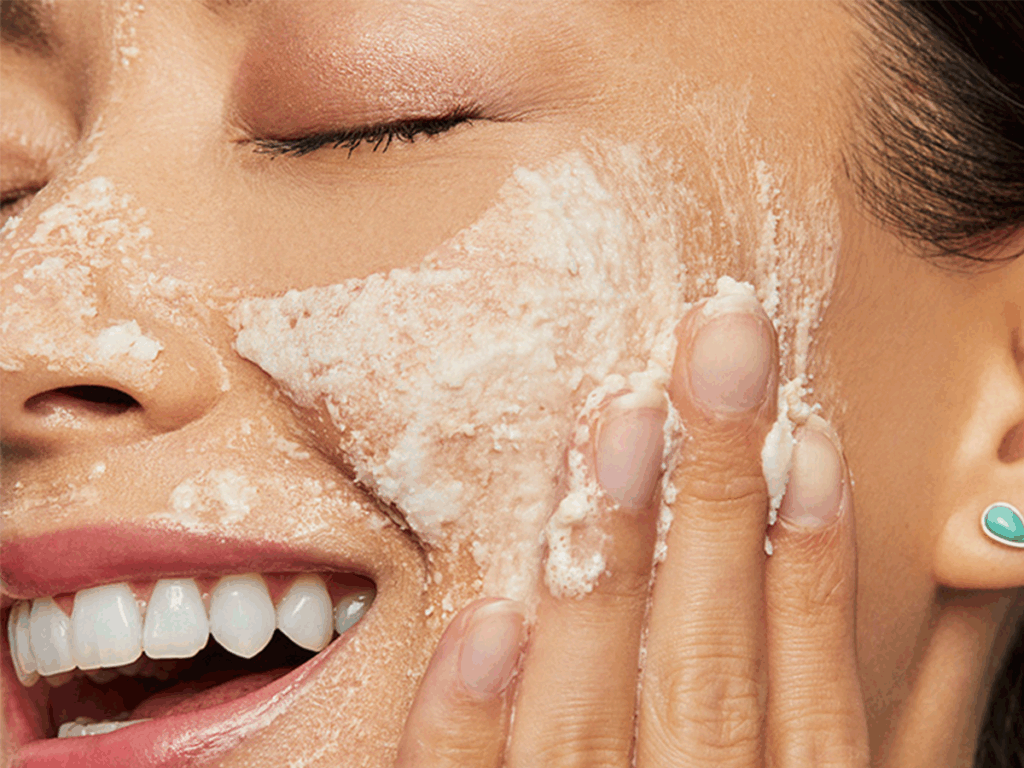
Peeling gels use cellulose to bind loose skin cells when you massage the product. As the gel forms small “rolls,” it helps lift the dead cells from the surface. This method creates a very soft physical effect without scratching the skin. It gives quick results and a clean, fresh feel after rinsing. Because the action is gentle, many brands use it as an easy, beginner-friendly exfoliation option.
2. Key Ingredients Found in Exfoliating Gels
Understanding the ingredients inside an exfoliating gel can help you choose the right formula for your clients. Each ingredient plays a different role, from lifting dead cells to calming the skin after exfoliation. This section gives you a clear overview of the most common options used in gels today.
| Ingredient Type | Examples | How It Works | Ideal For |
| AHA | Glycolic, Lactic | Loosens dead cells | Dull or dry skin |
| BHA | Salicylic Acid | Clears pores | Oily or acne-prone skin |
| PHA | Gluconolactone | Gentle exfoliation | Sensitive skin |
| Enzymes | Papain, Bromelain | Break down dead cells | Redness-prone skin |
| Cellulose | Plant Fiber | Lifts dead cells | Quick gentle use |
| Soothing Agents | Aloe, Panthenol | Reduce dryness | All skin types |
| Hydrators | Hyaluronic Acid | Adds moisture | Dry or stressed skin |
These ingredients work together to create a balanced exfoliating gel. Some focus on removing buildup, while others help protect and hydrate the skin. When blended with care, they help create a formula that is gentle, steady, and suitable for many skin types.
At TY Cosmetic, we help brands choose the right ingredient blend based on their goals. We guide you through testing and support you in building a formula that feels stable, gentle, and effective. If you want help creating or improving your exfoliating gel, you can work with us to shape the right formula.
3. Benefits of Using Exfoliating Gels
Many partners ask us what makes exfoliating gels different from other exfoliation options. We see these benefits often when we test formulas or help brands plan new products. Here is a simple breakdown that reflects what we notice in real use:
- Smoother Texture: Exfoliating gels help loosen dead skin so the surface feels softer. The skin becomes easier to work with during treatments. This helps create a clean base for other steps in a routine.
- Brighter Skin Look: By removing buildup, the skin reflects light more evenly. This gives a gentle brightening effect. It also helps reduce the tired look that comes from dull skin.
- Less Visible Buildup: The gel helps clear dead cells that sit on the surface. This supports a fresher and clearer look. It also helps prepare the skin for better product absorption.
- Better Absorption of Other Products: When the top layer is smooth, serums and creams absorb more evenly. This helps the skin receive more benefit from each step. It also makes treatment results more consistent.
- Gentle Exfoliation for Many Skin Types: Gels offer light exfoliation without harsh friction. This makes them suitable for sensitive or reactive skin. They are also easier for beginners to use without discomfort.
- Lower Risk of Irritation Compared to Scrubs: Scrubs rely on friction, but gels do not. This helps reduce the chance of redness or small scratches. It also makes gels more predictable in professional settings.
4. Key Formulation Insights
When we work on exfoliating gel formulas, we see that small choices can shape how the final product feels and performs. The right balance keeps the gel gentle while still giving clear results. These insights can help you plan or improve your own formula with more confidence.
Managing pH for Safe Performance
The pH level controls how active the exfoliating ingredients become on the skin. A lower pH makes acids work faster, but it can also increase the chance of irritation. A balanced pH keeps the formula steady and safe for frequent use. This is important when the product is meant for a wide range of skin types.
A stable pH also helps the gel maintain good performance over time. For many brands, this becomes one of the first steps in building a reliable formula.
Choosing the Right Exfoliation Strength
Different users need different levels of exfoliation, so the strength must match their skin concerns. A mild level works well for sensitive or early-stage users, while stronger blends can help with thick buildup. A balanced mix allows the gel to be used more often without causing stress to the skin. This balance also helps reduce the risk of redness or dryness.
When the strength matches the user’s needs, the gel becomes easier to recommend and easier to use. It also supports a more consistent experience across your clients.
Supporting Ingredients for Skin Comfort
Soothing and hydrating ingredients are important in keeping the gel gentle. These supporting ingredients help calm the skin after exfoliation and reduce dryness. They also help protect the skin barrier, which can weaken when dead cells lift off.
Adding hydration makes the skin feel soft instead of tight. These small additions help the gel fit more users, especially those who struggle with sensitivity. They also create a more comfortable after-feel, which improves the overall experience.
Texture and User Experience
The texture affects how the gel spreads, absorbs, and rinses off. A smooth and light texture helps the gel glide across the skin without pulling or tugging. This makes it easier for both professionals and clients to use. A clean rinse helps the skin feel fresh, not sticky.
Texture also influences how fast or slow the ingredients reach the skin. When the texture feels good, users are more likely to stick to the routine and trust the product.
5. Exfoliating Gel vs Other Exfoliation Methods
Many brands want to know how exfoliating gels compare to other exfoliation choices. Each method works in a different way and gives a different experience. This table gives you a simple side-by-side look so you can see what fits your clients best.
| Method | How It Works | Pros | Cons | Best For |
| Exfoliating Gel | Loosens or lifts dead skin | Gentle and easy to use | Mild strength | Most skin types |
| Scrub | Uses grains to rub skin | Quick surface results | Can scratch or irritate | Non-sensitive users |
| Acid Toner | Liquid chemical exfoliant | Strong effect | Higher irritation risk | Experienced users |
| Enzyme Mask | Uses fruit enzymes | Good for sensitive skin | Works slowly | Redness-prone skin |
| Chemical Peel | High acid levels | Fast visible change | Not for frequent use | Professional treatments |
These methods all offer benefits, but exfoliating gels provide the most balanced option for steady and gentle care. They support regular use without stressing the skin, which helps more clients stay consistent. We often see brands choose gels when they want something predictable, soft on the skin, and easy to use. They also work well in both spa treatments and at-home routines, making them a flexible choice.
6. How to Choose the Right Exfoliating Gel
Choosing the right exfoliating gel can feel confusing when there are many formulas and ingredient levels to consider. We see this often when brands ask us for help during product planning. These points can guide you toward a gel that fits the needs of your clients with more clarity.
Match the Gel to Skin Needs
Different skin types respond to exfoliation in different ways, so the gel must fit the user’s needs. Oily or acne-prone skin usually benefits from BHA because it clears inside the pores. Dry skin often responds better to AHA because it softens the surface.
Sensitive skin may need PHA or enzymes, which feel lighter and less reactive. When you match the gel to common skin needs, you reduce guesswork and improve the experience for your clients.
Check Ingredient Strength and Balance
The strength of the exfoliating ingredient decides how the gel feels on the skin. Mild levels support regular use without irritation, while stronger levels work better for thicker buildup. A balanced strength can serve more users at once, especially in professional settings.
It also helps the gel feel safer and easier to recommend. When the strength matches your target users, the product becomes more predictable and easier to trust.
Look for Supportive Add-Ons
Hydrating and soothing ingredients help keep the skin comfortable after exfoliation. These additions can prevent tightness, redness, or dryness, which many clients worry about. When a gel includes hydrators, the skin feels softer and more balanced. This can make the overall routine easier for your clients to follow. Supportive add-ons also help the product work for a wider range of skin types.
Consider Formula Quality and Testing
A stable formula helps keep the product consistent from the first use to the last, and proper testing confirms that it performs well without stressing the skin. Our team at TY Cosmetic supports brands through this process by checking safety, stability, and real-use performance. If you want guidance in building or testing your exfoliating gel, you can work with us to create a formula you feel confident offering to your clients.
Conclusion
Your client may still ask how exfoliating gels work, but now you can give a clear answer. You’ve seen how these gels lift dead skin, use different ingredients, and offer gentle results for many skin types.
This pulls together the same questions we hear from partners every day. When you understand the process, it becomes easier to choose or create the right formula.
If you want support building a safe and steady exfoliating gel, we can guide you through every step.
At TY Cosmetic, we help brands make formulas they feel confident offering. Contact us today!