










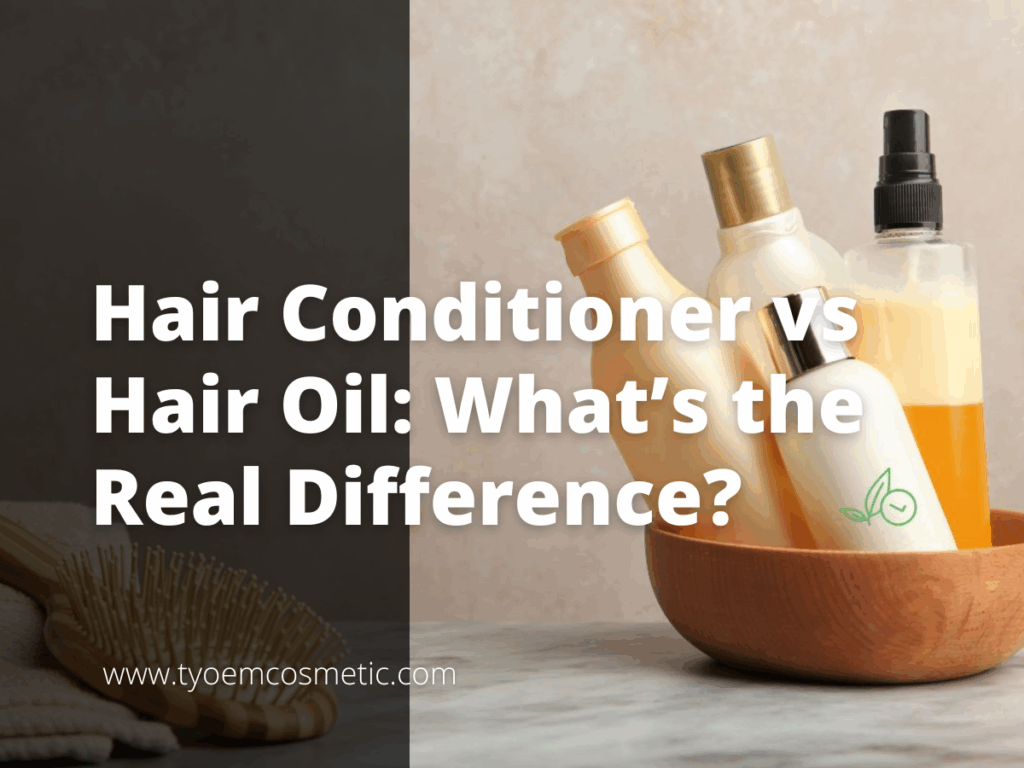
I often hear the same question from new brand partners during product planning: “What is the real difference between Hair Conditioner vs Hair Oil?” Many teams struggle because both products seem to solve similar problems, yet customers use them in very different ways.
If you have faced this gap in product knowledge inside your own business, you are not alone.
At TY Cosmetic, we support many brands and salons with product development, so we see these questions often. Our team works with formulas every day, and we help clients choose the right product type based on function, use case, and consumer needs.
In this article, you will learn the clear differences between Hair Conditioner vs Hair Oil, how they work, and when each should be used. You will get simple guidance that fits your business goals and your customers’ needs.
Before we begin, think about the last time a client or customer asked you to explain the difference and you wished you had an easier answer.
Now, let’s begin!
Quick Comparison Chart
Before you choose between a conditioner or hair oil, it helps to see how they compare side by side. This quick chart shows the main differences in a simple way. Use it as a guide as you plan or review your product line.
| Difference | Hair Conditioner | Hair Oil |
| Functional Difference | Adds moisture. Softens hair. Helps with slip. | Seals moisture. Smooths the cuticle. Protects the hair surface. |
| Application Timing | Used after shampoo. Rinse-off or leave-in. | Used on damp or dry hair. Leave-on only. |
| Ingredient Differences | Water-based. Has humectants, proteins, conditioning agents. | Oil-based. Made with plant oils or silicone blends. |
| Weight & Texture on Hair | Light to medium feel. Rinses clean. | Can feel heavier. Needs small amounts. |
| Interaction With Hair Damage | Helps repair and strengthen. Supports moisture balance. | Protects from friction. Helps prevent more damage. |
These points give you a clear overview of what each product does and how they behave. Read the full sections below to understand how each difference affects your product choices and your customers.
1. What Is Hair Conditioner?
Hair conditioner is a product that adds moisture back into the hair after cleansing. It softens the strands and makes them easier to manage, which helps reduce breakage during styling. Most formulas use water, conditioning agents, and softening ingredients that settle on the hair to smooth the surface. We see many teams rely on conditioner to bring back slip and comfort after shampooing.
You can think of conditioner as the step that brings the hair back to balance. It does not seal the hair or protect it from the outside. Instead, it gives the hair the moisture and softness it needs before you move on to other products. When you build or refine your product line, you will use conditioner to support everyday care and basic hair health of your customers.
2. What Is Hair Oil?
Hair oil is a product that sits on the surface of the hair to seal in moisture and reduce dryness. It smooths the cuticle, adds shine, and helps protect the strands from friction. Most oils do not hydrate on their own. Instead, they lock in the moisture that comes from your conditioner or leave-in. We often see teams use hair oils to support shine and long-term protection in their line.
You can think of hair oil as the final layer that keeps the hair from losing what you added earlier. It works well for dry, thick, or textured hair, but it can also help finer hair when used in small amounts. As you plan or adjust your product range, hair oil becomes a useful step for improving finish, reducing frizz, and supporting overall hair health.
3. Functional Difference
Before we compare anything else, it helps to look at what each product actually does. Many of the brands we work with mix these two roles by accident, which leads to confusion in product planning. When you understand the core function, it becomes easier to choose the right product for your line and guide your clients.
We see this often when teams come to us for help, so let’s break it down in a clear way:
Hair Conditioner
- Adds Moisture: Conditioner brings water and softening agents back into the hair. This helps the strands feel smoother and more flexible. It also supports daily manageability.
- Improves Slip: Conditioner makes the hair easier to comb and reduces friction between strands. This is important for preventing breakage during brushing or styling.
- Supports Repair: Many formulas include proteins and actives that help fill small gaps in the hair surface. These ingredients do not fully repair damage, but they help the hair feel stronger and more balanced.
- Balances Hair After Washing: Shampoo can leave the cuticle raised and dry. The conditioner returns softness so the hair feels ready for the next step.
Hair Oil
- Seals Moisture: Hair oil locks in the moisture you add earlier. It creates a light barrier on the surface so the hair stays hydrated for longer.
- Smooths the Cuticle: Oil settles on top of the hair and helps the outer layer lie flat. This reduces frizz and gives the hair a smoother look.
- Protects From Friction: Oils reduce rubbing between strands during styling. This helps prevent more damage, especially on dry or textured hair.
- Adds Shine: Oils reflect light off the surface of the hair. This creates a more polished finish and improves the look of the final style.
Takeaway
The main difference is simple. Conditioner adds moisture, while oil keeps that moisture in place. You will use both in a line when you want balanced care and steady results.
When you need support choosing which product to develop or how each one fits into your full range, TY Cosmetic can guide you with clear, practical advice based on real manufacturing experience. We work with many brands and know what performs well in the market, so you can move forward with confidence.
4. Application Timing
Before you choose which product to offer or highlight, it helps to look at when each one should be used. Many teams we work with mix up timing, which leads to confused customers and weak product results. When you understand timing, you can guide your clients with clarity and avoid misunderstandings.
Let’s break it down in a simple way:
Hair Conditioner
- After Shampooing: Conditioner works best right after cleansing. The hair is clean, the cuticle is raised, and it can absorb moisture more easily. This helps the formula settle well on the strands.
- Mid-Lengths to Ends: Conditioner should be applied to the middle and lower parts of the hair. These areas lose moisture faster and need more support. Keeping it off the scalp helps avoid buildup.
- Short Contact Time: Most conditioners only need a few minutes to work. This makes it easy to use in daily routines or salon workflows.
- Leave-In for Added Care: A leave-in conditioner can be used on damp hair for extra softness. This supports styling and daily manageability.
Hair Oil
- On Damp or Dry Hair: Oil can be used after towel-drying or on fully dry hair. It works well either way because it sits on the surface of the hair.
- After Moisture Steps: Oil should come after conditioner or leave-in products. This timing helps lock in hydration and improves long-term softness.
- Small Amounts at a Time: Oils need careful dosing. A small amount is enough to smooth and protect without weighing the hair down.
- Before or After Styling: You can use oil before heat styling to reduce friction, or after styling to add shine. This makes it a flexible finishing step.
Takeaway
Conditioner works best right after washing, when the hair needs moisture and balance. Hair oil works best as a final step, when the goal is sealing, smoothing, and protecting. Following this simple timing, both products deliver better results. This helps your team build clearer routines, improve user instructions, and create a stronger haircare lineup.
5. Ingredient Differences
Many teams we work with want to understand why conditioner and hair oil behave so differently. Most of that comes down to the ingredients. When you look at what goes inside each formula, the purpose of the product becomes very clear.
Let’s keep this simple and break it down:
Hair Conditioner
- Water Base: Most conditioners start with water. This helps carry moisture into the hair and supports smooth texture and easy spread. It also allows the formula to rinse clean.
- Cationic Agents: These ingredients attach to the hair surface and smooth the cuticle. Cationic reduces friction and supports softness. You will see them in almost every conditioner type.
- Humectants: Humectants pull moisture into the hair. They help the hair stay soft for longer and prevent dryness after washing.
- Proteins and Actives: These ingredients fill small gaps and add light strength. They do not fix damage fully but help improve the feel and structure of the hair.
Hair Oil
- Plant Oils: Many formulas use oils like argan, coconut, or jojoba. These sit on the hair surface and help seal in moisture. They also support shine and smoothness.
- Silicone Blends: Some oils use light silicones to add slip and shine. These help reduce frizz and give a polished finish.
- Fatty Acids: These natural compounds help soften the hair and reduce dryness. They support the protective role of hair oils.
- Antioxidants: Some oils include antioxidants for added protection. They help shield the hair surface from stress and environmental factors.
Takeaway
Conditioners use water-based systems with ingredients that add moisture and softness. Hair oils use oil-based systems with ingredients that seal, smooth, and protect. When you understand these differences, you can choose formulas that match your goals and guide your clients more clearly. This helps you build a stronger haircare line with clear product roles and better user experience.

6. Weight & Texture on Hair
When we help brands develop haircare products, one of the first concerns they bring up is how heavy or light a formula will feel on the hair. This matters because your customers rely on texture to judge whether a product works for them. You can guide them better when you understand how each product behaves on the strands.
Let’s look at how conditioner and oil differ in weight and feel:
Hair Conditioner
- Light to Medium Weight: Most conditioners are designed to rinse out clean. They leave softness behind without creating a heavy coating. This helps keep daily routines simple.
- Smooth Finish: Conditioners settle on the hair in a thin layer. This gives the hair slip and reduces roughness. It also makes detangling easier.
- Balanced Texture: Conditioners aim to add moisture without feeling greasy. This makes them suitable for many hair types, including fine or fragile hair.
- Buildable Care: Leave-in conditioners offer a bit more texture. They give extra softness without pushing the hair down.
Hair Oil Feels
- Heavier Surface Feel: Oils stay on top of the hair. This can feel heavier, especially on fine or thin strands. Careful dosing helps control this.
- High Shine Finish: Oils create a smooth, glossy layer. This finish works well for styling and reducing frizz.
- More Slip and Glide: Oils reduce friction during handling and brushing. This helps protect the hair during styling.
- Concentrated Texture: A small amount spreads far. This is why correct usage makes such a big difference in overall feel.
Takeaway
Conditioners give a softer, lighter feel that works well for daily use. Hair oils offer richer texture and shine, but they need careful application. When you match texture to your customer’s hair type, you improve user satisfaction and product performance. This helps your line feel more intentional and easier to understand.
7. Interaction With Hair Damage
When we help teams build or refine their haircare line, damage care is always a major topic. You and your clients want to give users smoother, stronger hair, but each product supports damage in a different way. Understanding this difference will help you set the right expectations and guide your customers with confidence.
Let’s look at how each product interacts with damaged hair:
Hair Conditioner
- Restores Moisture: Damaged hair loses water easily. The conditioner brings moisture back, which helps the strands feel softer and more flexible. This reduces breakage during brushing.
- Improves Elasticity: When the hair is dry or weak, it becomes less stretchy. The conditioner helps it bend and move more easily, which lowers the chance of snapping.
- Softens Rough Cuticles: Conditioner smooths the outer layer of the hair. This makes the hair feel less rough and reduces tangles.
- Fills Small Gaps: Proteins and actives can settle into weak areas. They do not fix deep damage, but they improve the surface and feel.
Hair Oil
- Reduces Friction: Damaged hair rubs together and breaks more easily. Oil creates a smooth layer that protects the strands during handling.
- Seals Weak Areas: Oils help lock moisture inside the hair, which is important for dry or brittle strands. This keeps the hair from becoming even weaker.
- Protects From Stress: Oil adds a barrier on the surface. This helps protect the hair from heat, styling, and daily wear.
- Improves Shine and Smoothness: Oils make rough hair look and feel healthier. This improves the overall appearance even if the inner structure is still recovering.
Takeaway
The conditioner works inside the hair to bring back moisture and softness, which helps weak strands move without breaking. Hair oil works on the outside to seal, smooth, and protect. Both play different roles in supporting damaged hair and are more effective when used together.
If you want to build a clear and reliable repair system in your product line, TY Cosmetic can support you with real manufacturing insight and formula experience. We help brands understand how each product fits into a full routine and how to position them for better results. You can work with us to create haircare solutions that match your goals and your clients’ needs.

8. Factors To Consider When Choosing Between Hair Conditioner vs Hair Oil
Many teams we work with want a simple way to choose between conditioner and hair oil. The right choice depends on what your customers need and how they use their haircare routine. When you look at these factors clearly, it becomes easier to guide your product planning and support your clients.
Let’s walk through the key points:
Hair Type and Hair Needs
Hair type shapes how each product performs. Fine hair usually needs lighter moisture from conditioner, while thicker or textured hair often benefits from both conditioner and oil. Dry or damaged hair will respond better when you layer moisture first, then seal it in. You can check what your clients struggle with the most, such as frizz, dryness, or tangling. This helps you decide which product solves their main problem.
Usage Habits and Daily Routine
Some customers want simple, quick routines. In these cases, a conditioner may meet most of their needs because it fits easily into daily washing. Others want long-lasting shine or protection, which makes hair oil a good add-on. Think about when and how your customers use products throughout the day. Their habits will help you choose the right type to highlight or develop.
Product Role in Your Line
You may want conditioner for core daily care and hair oil for finishing and protection. This helps you create a balanced system where each product has a clear job. You can also use this structure to educate your clients and reduce confusion. When each product has a defined place in the routine, your line feels more complete. This makes it easier for you to guide customers toward the right combination.
Conclusion
When we opened this article, we talked about how many partners ask us to explain the difference between conditioner and hair oil.
Now you can see how each product plays a different role and why teams often mix them up. Both products matter, but they work best when used with a clear purpose.
Use what you learned here to guide your next product step and support your customers with confidence.
At TY Cosmetic, we help brands build haircare lines that make sense from the inside out. If you want expert support with your next formula, contact us today!