












I remember speaking with a spa owner who was unsure whether to use body oil or massage oil in her new service menu. She told me she kept buying products that did not fit her needs and it slowed down her launch.
You may feel the same way when you compare body oil vs massage oil for your own brand or spa.
At TY Cosmetic, we help companies solve this problem every day. We develop both body oils and massage oils for skincare brands, spas, and start-ups, so we see how each product works in real use.
In this guide, you will learn the clear differences between body oil and massage oil, how each one performs, and how to choose the right option for your business. Your questions and intent will be fully covered.
Let’s take a closer look together.
Now, we can begin!
Quick Comparison Chart
A quick way to see the difference between body oil and massage oil is to place them side by side. This chart keeps things simple so you can compare each point at a glance. It can also help you choose the right product type for your brand or spa.
| Category | Body Oil | Massage Oil |
| Formulation Purpose | Skin care and daily use | Long glide for massage work |
| Texture & Absorption | Light to medium texture; absorbs fast | Thicker texture; absorbs slow |
| Ideal Ingredients & Additives | Nourishing oils, actives, light scents | Slip oils, neutral bases, massage-safe scents |
| Skin Benefits | Hydration, softness, barrier support | Relaxation, muscle ease, smooth movement |
| Packaging Differences | Small bottles, droppers, pumps | Larger bottles, pumps for quick use |
| Price Points & Market Positioning | Premium skincare product | Professional spa and wellness product |
You can read the detailed breakdown of each point in the sections below. This will help you understand how each oil works and which one fits your business needs.
1. What Is Body Oil?
Body oil is a simple blend of oils made to nourish the skin. It sinks in at a steady pace and leaves the skin soft and smooth. We often see brands use it as a daily care product because it fits well into any routine. It works on damp skin after a shower, or on dry skin when you want quick moisture.
You might use body oil in your line when you want a clean, straightforward product that supports skin health. It does not aim for long slips or heavy glides. Instead, it focuses on comfort, hydration, and a light finish your customers can use every day.
2. What Is Massage Oil?
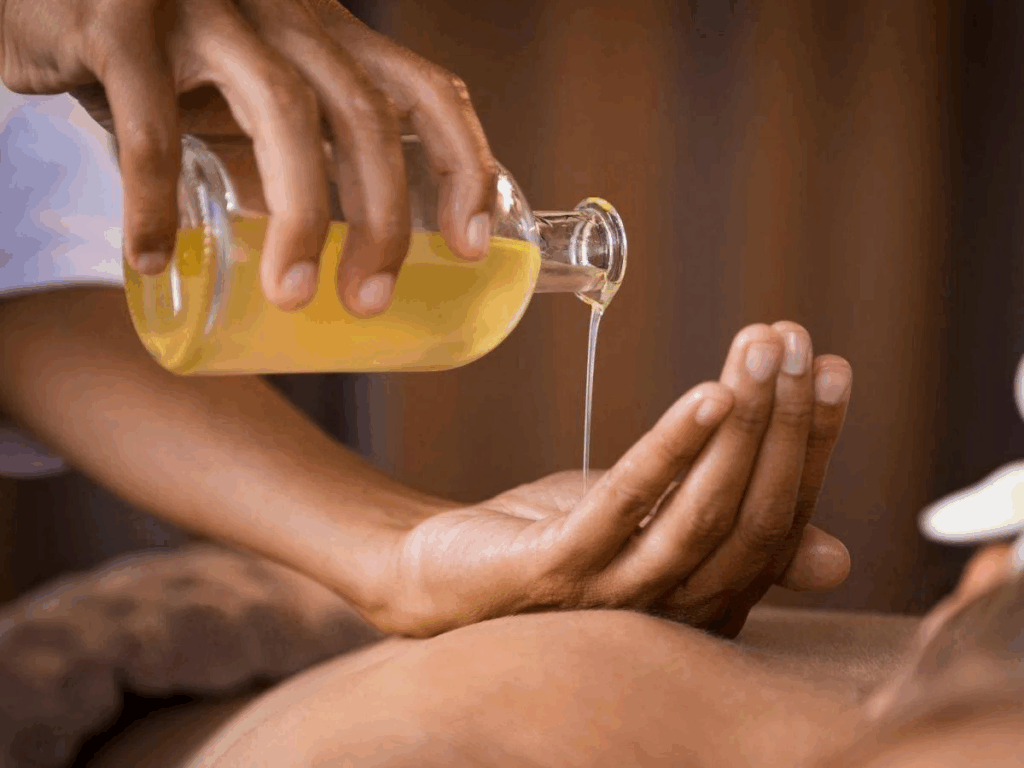
Massage oil is made for hands-on work. It has more slip, more glide, and stays on the skin longer. We see spas and salons use it when they need steady movement across the body without stopping to reapply. It supports a smooth massage flow and helps reduce hand strain for your team.
You might choose massage oil when your service menu calls for longer treatments or deeper techniques. It is not meant to absorb fast. Instead, it gives you time to work on each area with ease. This makes it a practical choice for any professional setting where touch and technique matter.
3. Formulation Purpose
Formulation purpose is the first place where body oil and massage oil split apart. They may look similar in a bottle, but they do very different jobs on the skin. When we work with brands and spas, we see how much easier product planning becomes once this part is clear.
Body Oil
- Daily Skin Support: Body oil is made to keep the skin soft and hydrated. It absorbs at a steady pace and works well for everyday use. You can place it in any routine without needing major instructions.
- Light, Comfortable Wear: The goal is a clean finish that does not feel heavy. This helps your customers use it anytime during the day. It also pairs well with other skincare steps.
- Steady, Simple Care: Body oil focuses on skin health rather than performance in treatments. It offers comfort, moisture, and a smooth feel that supports long-term use.
Massage Oil
- Long Glide for Treatments: Massage oil is made for slip and movement. It stays on the skin longer, so your team can work without stopping. This helps with both short and long sessions.
- Support for Hands-On Work: The texture creates a soft barrier between skin and hands. It reduces drag and helps protect your staff from fatigue during daily services.
- Stable Performance in Spas: Massage oil must stay reliable under warm rooms, long sessions, and constant use. Its purpose is to keep each stroke smooth and controlled.
Takeaway
The purpose behind each oil shapes how it feels, how it performs, and where it fits in your business. When you choose with intention, you avoid common product mismatches and save time in development.
This is something we guide clients through often at TY Cosmetic, since we help brands create oils that match their real service and retail needs. If you want support choosing or developing the right type of oil for your line, this is a good time to reach out and explore your options with us.
4. Texture & Absorption
Texture and absorption play a big role in how each oil feels on the skin. We see brands and spas make faster decisions once they understand these 2 points. You can use this part to help match the right product to your treatments or retail plans.
Body Oil
- Light to Medium Texture: Body oil feels smoother and lighter on the skin. It spreads well without feeling greasy. This makes it comfortable for daily use.
- Steady Absorption: Body oil absorbs at a moderate pace. It sinks in enough to hydrate the skin but does not leave a thick layer. Your customers can use it anytime without waiting for it to dry.
- Soft, Clean Finish: The finish is gentle and low-residue. It fits well under clothes and pairs easily with other skincare products.
Massage Oil
- Thicker, Richer Texture: Massage oil has more weight. It creates a cushion between hands and skin. This helps reduce friction during treatments.
- Slow Absorption: The oil stays on the surface longer. This gives you enough time to work through longer strokes without reapplying.
- Smooth, Even Glide: The oil keeps movement steady. It helps your staff perform consistent techniques across the whole session.
Takeaway
Texture and absorption are key when choosing the right oil for your business. Body oil fits daily skincare because it sinks in well and feels light. Massage oil fits professional treatments because it stays on the skin and offers smooth glide. When you understand these differences, you can plan your product range with clarity and avoid issues during service or customer use.
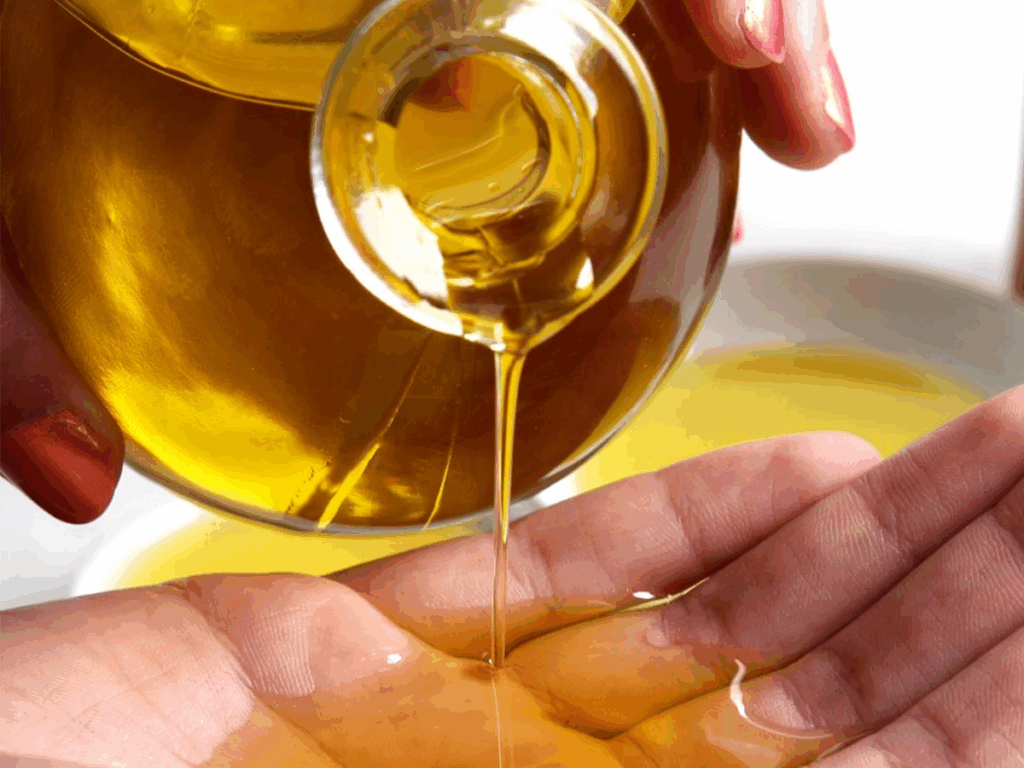
5. Ideal Ingredients & Additives
Ideal ingredients and additives shape how each oil performs on the skin. We often see brands make stronger product choices once they understand what each formula is built from. You can use this section to guide your own development or refine what you already offer.
Body Oil
- Lightweight Carrier Oils: Oils like jojoba, grapeseed, and sunflower create a smooth, easy texture. They absorb at a steady rate and work well for daily skin care. These oils support comfort and long-term use.
- Skin-Focused Additives: Ingredients like squalane, vitamin E, and rosehip add extra nourishment. They help with softness, barrier repair, and overall skin health. These actives give body oils a more skincare-driven feel.
- Soft, Low-Allergy Scents: Light essential oils or gentle fragrance options keep the product safe for everyday use. The goal is a clean scent that does not irritate the skin.
Massage Oil
- Slip-Enhancing Oils: Oils like fractionated coconut, safflower, and apricot kernel help create long glide. They stay on the skin longer and prevent drag during treatments. This helps maintain smooth movement.
- Neutral, Stable Bases: Massage oils often rely on simple, steady bases that hold up under constant use. These bases reduce the chance of staining and help the oil perform the same way every session.
- Massage-Safe Aromatherapy: Light essential oil blends can support relaxation or focus. These must be used at safe dilution levels to protect both clients and staff during long treatments.
Takeaway
The right ingredients make each oil work the way you expect. Body oils use nourishing, skin-focused blends for daily care. Massage oils use glide-friendly, stable bases built for hands-on work. When you match your ingredients to your service or product goals, you create formulas that perform well and support your business needs.
6. Skin Benefits
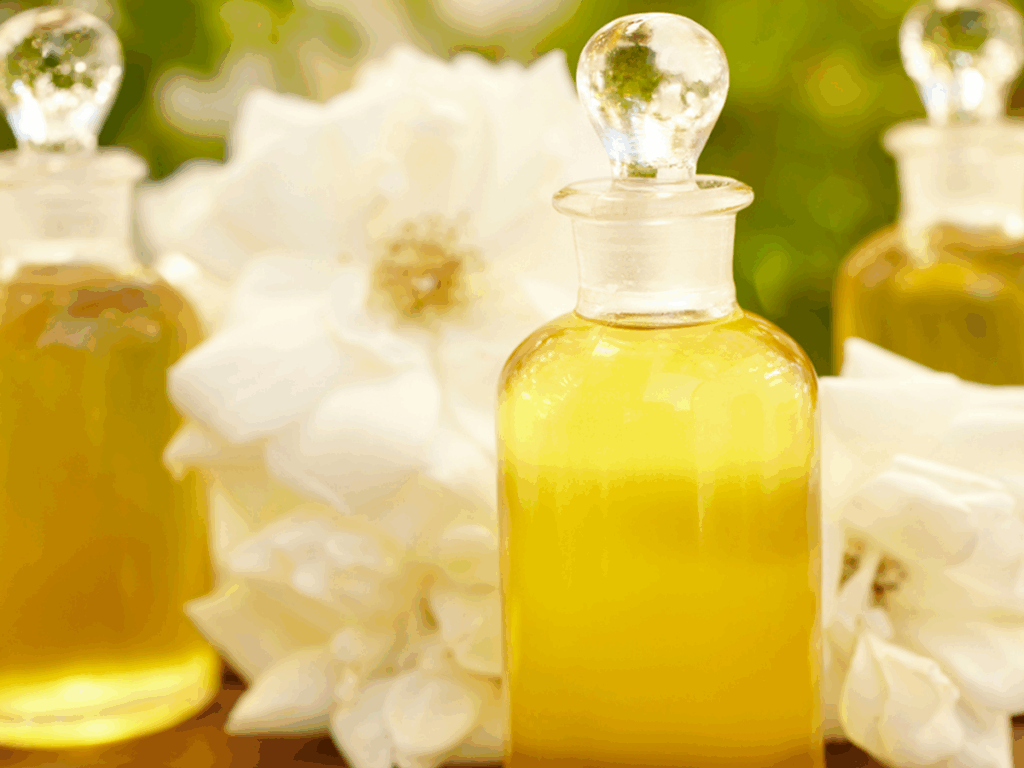
Skin benefits are often the deciding factor when you choose between body oil and massage oil. We see brands and spas look at how each product supports the skin during daily care or during treatments. You can use this section to help guide your own product decisions.
Body Oil
- Daily Hydration Support: Body oil helps the skin stay soft and comfortable. It adds moisture and helps reduce dryness. This makes it a steady choice for everyday use.
- Barrier Strength: Many body oils help protect the skin’s natural barrier. This supports long-term skin health and helps keep the skin balanced.
- Soft, Smooth Finish: The oil leaves the skin with a light glow. It improves texture and gives a smooth feel without being heavy.
Massage Oil
- Comfort During Treatments: Massage oil helps the skin handle long sessions. It reduces friction and keeps the surface calm while you work. This helps protect both the client and the therapist.
- Muscle Ease Through Glide: The steady slip of massage oil helps your team reach deeper layers without pulling the skin. This can support relaxation and tension release.
- Even Pressure Distribution: Oil helps control movement across the skin. This keeps strokes steady, which can improve the overall treatment experience.
Takeaway
Body oil focuses on daily skin wellness by offering moisture, softness, and barrier support. Massage oil focuses on treatment comfort by giving steady glide, skin protection, and smoother pressure control. When you match the skin benefits to your service or retail goals, you create a better experience for both your team and your customers.
7. Packaging Differences
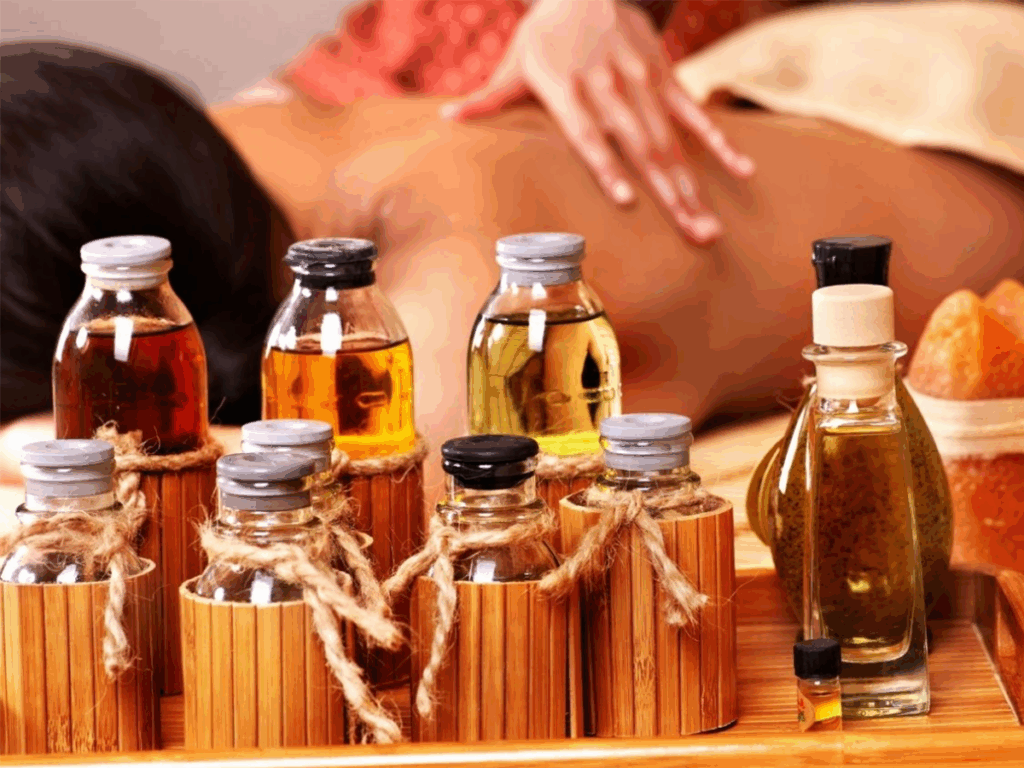
Packaging plays a big role in how easy each oil is to use. We often see brands and spas choose packaging based on workflow, storage, and customer experience. You can use this section to help plan your own product layout.
Body Oil
- Smaller Bottle Sizes: Body oils often come in 50–150 ml bottles. These sizes work well for retail and daily use. They also feel comfortable in the hand.
- Dropper or Pump Options: These closures help control how much oil comes out. They prevent waste and support clean applications. This makes it easy for customers to use at home.
- Premium Look and Feel: Many brands choose glass packaging for body oils. It supports a clean, skincare-forward image and keeps the formula protected.
Massage Oil
- Larger, Practical Bottles: Massage oils usually come in 250 ml to 1-liter bottles. This helps your team avoid constant refills during treatments. It also supports high-use environments.
- Easy-Use Pumps: Pumps help staff work faster and cleaner. They give steady control and reduce spills, which is important in a busy treatment room.
- Durable, Non-Slip Packaging: Many spas use lightweight plastic bottles for safety and grip. They hold up well under daily use and frequent handling.
Takeaway
Body oil packaging focuses on a clean, skincare look with smaller, easy-to-handle bottles. Massage oil packaging focuses on efficiency, durability, and quick access for staff. When you match your packaging to your service or retail needs, you create a smoother workflow and a better experience for your customers.
8. Price Points & Market Positioning
Price points and market positioning help you decide where each oil fits in your line. We often see brands compare these two products based on cost, use case, and customer value. You can use this section to plan your pricing and place each product in the right category.
Body Oil
- Premium Skincare Position: Body oil is often marketed as a skincare item. It can sit next to lotions, serums, and daily care products. This gives you room for higher pricing and a strong retail angle.
- Higher Active Levels: Because body oils may include more skin-focused actives, formulas can be slightly more expensive. This helps you position them as targeted care products.
- Flexible Branding: Body oil fits clean beauty, wellness, or spa retail themes. You can shape the message based on your brand style.
Massage Oil
- Professional Use Position: Massage oil often sits in the service category. Pricing is usually more stable and based on volume rather than actives. This makes it practical for spas and therapists.
- Cost-Efficient Formulas: Massage oils are built for frequent use. They rely on steady, reliable bases, which can help keep costs predictable for your team.
- Service-Driven Value: The value comes from performance during treatment, not added skincare benefits. This supports simple, clear positioning.
Takeaway
Body oils usually sit in the premium skincare space, with higher flexibility for branding and pricing. Massage oils sit in a service-first space, where performance, volume, and consistency matter most. Both categories can be profitable when positioned with intention.
At TY Cosmetic, we help brands place each product where it will work best in both retail and service settings. If you want support shaping your own pricing or positioning strategy, this is a good time to connect with us and explore your options.
9. How to Choose Between Body Oil and Massage Oil
Choosing between body oil and massage oil comes down to how you plan to use the product in your line. We see brands make better decisions when they look at their goals, services, and target customers. You can use this section to guide your next step with clarity.
Match the Oil to Your Main Use Case
When you choose between the two, start by looking at where the product will be used. If you want something for daily skincare, body oil fits better. If you need a product for hands-on treatments, massage oil will make your workflow smoother. Each option has a clear purpose, so choosing based on use helps avoid confusion later. This simple step saves time during development.
Think About Your Customer or Client Needs
Your customers and your team will use each oil differently. Body oils support people who want simple hydration and a clean finish during the day. Massage oils support longer treatments where glide and comfort matter most. When you look at who will use the product and how often, the right choice becomes clear. This keeps your product line aligned with real needs.
Plan Your Product Line for Long-Term Growth
Each oil type can open different paths for your business. Body oil works well for retail and can help build your skincare category. Massage oil supports service rooms and helps keep your staff efficient. When you think long-term, you can see how each product might help your brand grow in different directions. This helps you build a product line that supports both daily use and professional needs.
Conclusion
The salon team that struggled with the wrong oil learned that small changes can improve their services in a big way.
You can make the same shift by choosing the oil that matches your goals, your workflow, and your customers.
This guide brought each piece together so you can make decisions with clarity. It showed the purpose, texture, ingredients, and benefits side by side.
If you want help shaping your own formula or line, we are here to support you. At TY Cosmetic, we work closely with brands, spas, and start-ups to create products that work. Contact us today!